National Scleroderma Foundation CEO, Mary J. Wheatley, IOM, CAE, joined the global scleroderma community at the 9th Systemic Sclerosis Patient World Congress. Mary shares some of the key points of discussion from the event.
Last week, I had the privilege of participating in the 9th Systemic Sclerosis Patient World Congress in Athens, Greece, where patients, clinicians, researchers, and advocates from across the globe came together to discuss progress in scleroderma research and care.

While many topics were explored, from emerging therapies to managing complex symptoms, one message resonated throughout the entire congress: Patients must be partners in research, not just participants.
The Unique Challenges of Rare Diseases
Systemic sclerosis is a rare, complex, and unpredictable disease. For those living with it, the impact extends far beyond physical symptoms. It affects daily life, employment, relationships, and mental health.
Because the patient population is small, every clinical trial matters—and every participant matters even more. That is why designing clinical trials that are realistic, meaningful, and patient-centered is so critical.
Bringing the Patient Voice Into Drug Development
During the roundtable discussion “Accelerating Access: Breaking Barriers to Therapies,” we discussed how patient engagement can transform the drug development process.
Drug development is complex because safety matters deeply. That is precisely why patient engagement is so important — it reduces delays caused by poorly designed trials and strengthens the case for urgency at every stage.
Patients bring insights that no dataset can provide. They understand the daily realities of fatigue, gastrointestinal complications, Raynaud’s phenomenon, lung involvement, and other challenges that define living with systemic sclerosis.
When patients are involved early in clinical trial design, outcome selection, and regulatory discussions, trials become more feasible for participants, recruitment and retention improve, the burden on patients is reduced, and endpoints reflect outcomes that truly matter in daily life.
Why Patient Experience Data Matters
Another important topic of discussion was the growing role of patient experience data (PED) and patient reported outcomes (PROs).
Many burdens of systemic sclerosis are invisible. Without direct input from patients, critical symptoms can be underestimated or overlooked. Fatigue may not be captured in traditional clinical endpoints; gastrointestinal symptoms may not be prioritized; or functional limitations may not be fully understood.
Clinical trials tell us whether a therapy works biologically. Patients tell us whether it works enough to matter.
Addressing Barriers to Clinical Trial Participation
Another important discussion focused on equity in clinical trial participation. Many patients face barriers that limit their ability to participate in research, including:
- Geographic distance from major research centers
- Travel costs and logistical challenges
- Lack of information about available trials
- Language and literacy barriers
- Historical mistrust of medical research
Patient experience data can also support regulatory decisions, influence benefit–risk assessments, and strengthen the case for reimbursement and access.

To address these challenges, we must continue to explore decentralized and hybrid clinical trial models, increase collaboration between patient organizations and researchers, and ensure better communication about research opportunities.
Clinical trials should be realistically available to all patients, not just those who live near major academic centers.
Innovation Must Go Beyond Medication
While new therapies are essential, we were also reminded that medication alone is not comprehensive care.
People living with systemic sclerosis often need access to, pulmonary rehabilitation, specialized physiotherapy, nutritional care, mental health support, and multidisciplinary clinical teams. Innovation in rare diseases must include both scientific advances and improvements in supportive care.
Moving Forward Together
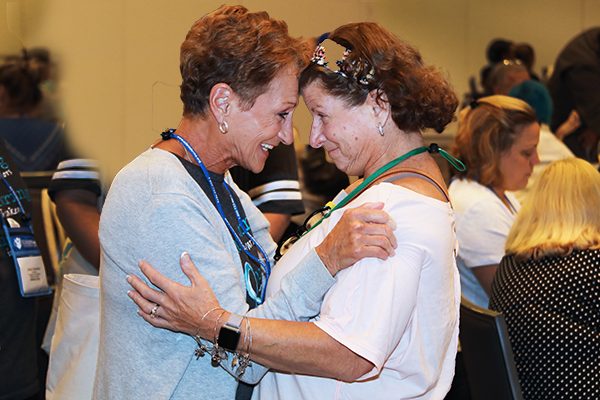
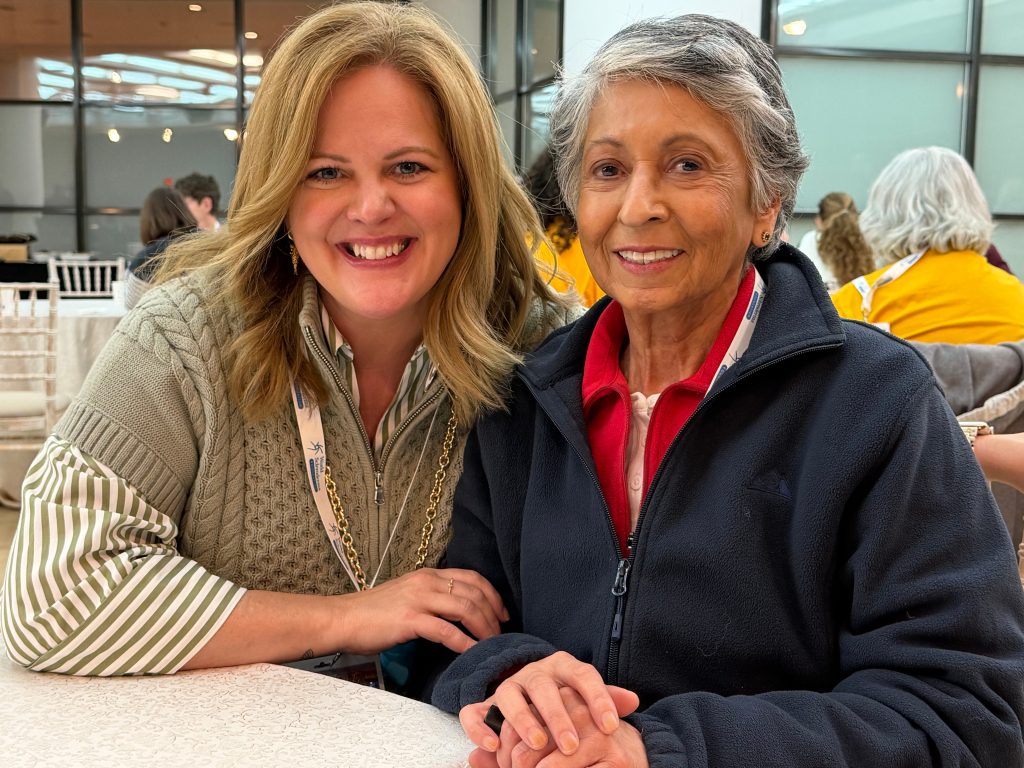
One of the most inspiring aspects of the event was seeing the global scleroderma community working together—patients, physicians, researchers, regulators, and industry.
Real progress happens when these groups collaborate.
When patients are involved in trial design, when patient experience informs regulatory decisions, and when equity is prioritized in research participation, we build a system that works better for everyone.
In rare diseases like systemic sclerosis, every voice matters. And the future of research will be strongest when patients are partners in progress, not observers.