Sgt. Charles Ciccotelli and the Town of Ipswich are Beacons of Hope
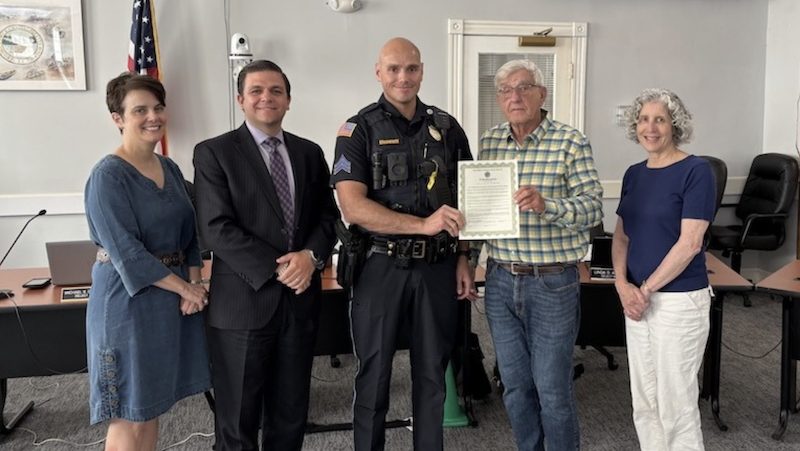
The National Scleroderma Foundation New England Chapter is honored to recognize Sgt. Charles Ciccotelli and the Town of Ipswich for their commitment to raising awareness of scleroderma by officially proclaiming June as Scleroderma Awareness Month.
Sgt. Ciccotelli created a challenge coin he is using to fundraise for the Foundation and raise awareness in the community. He’s already making an impact, giving scleroderma challenge coins to former Boston Red Sox pitcher Pedro Martinez and Olympic gold-medalist Aerin Frankel. He is also planning on forming a team for the Stepping Out to Cure Scleroderma walk in Boston this fall.
“Following his recent diagnosis with scleroderma, Sgt. Ciccotelli has transformed his personal journey into a powerful platform for advocacy,” Mirian Moultrie, executive director of the New England Chapter said. “He is a powerful example of how one person’s voice can strengthen the scleroderma community, amplify awareness, and inspire meaningful change—helping to spark conversations and bring hope to those affected.”
The New England Chapter is also grateful for the Ipswich Select Board for recognizing the importance of awareness, education, early diagnosis, research, and support for individuals and families affected by this rare disease. Its proclamation serves as a beacon of hope and a reminder that communities can make a meaningful difference when they come together in support of those facing chronic illness.
Thank you, Sgt. Ciccotelli and the Town of Ipswich, for standing with the scleroderma community and helping us move closer to a future with better treatments, greater understanding, and ultimately, a cure.
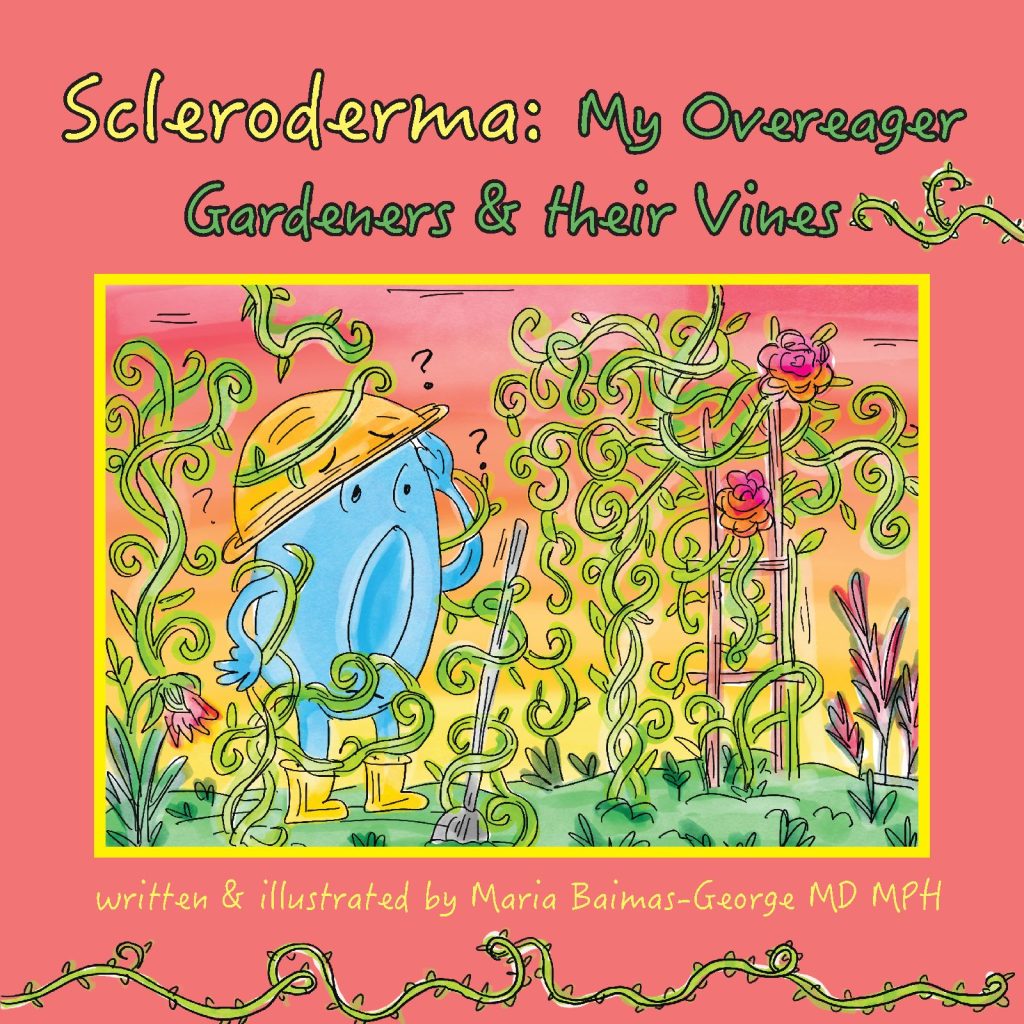
With Scleroderma Awareness Month just a week away, the National Scleroderma Foundation is incredibly excited to share some news with you—we’re helping release a book! Scleroderma: My Overeager Gardeners & Their Vines is a children’s book that uses the metaphor of a giant garden to explain what happens when someone has scleroderma.
We know that even for adults, discussing rare diseases like scleroderma can be an immense challenge. Scleroderma presents itself in so many ways and the terminology is overwhelming. Whether a child is facing a diagnosis of their own or understanding what a loved one living with scleroderma is going through, it can be a confusing and challenging experience for little ones.
“We believe this can be an incredibly valuable resource to help families have conversations about scleroderma,” Elizabeth Mulroy, Senior Director for Mission Delivery said. “We hope this helps explain some of the complex medical terms in ways that kids can better understand.”
Your gift can be 3X as powerful. If you’ve ever thought about giving, this is your moment.
For a limited time, every dollar donated to the Stepping Out to Cure Scleroderma Durham Walk will be tripled—thanks to two generous matching opportunities from Kevin & Mariann and Fred & Alma.
Give $1 → turns into $3
This is how we can accelerate our threefold mission. We Support our patients and their families, Educate our medical communities for a quicker diagnosis, and Research dollars to one day soon, find a cure.
Thank you so very much for being part of our mission to find a cure.
Your gift can be 3X as powerful. If you’ve ever thought about giving, this is your moment.
For a limited time, every dollar donated to the Stepping Out to Cure Scleroderma Boardman Walk will be tripled—thanks to two generous matching opportunities from Kevin & Mariann and Fred & Alma.
Give $1 → turns into $3
This is how we can accelerate our threefold mission. We Support our patients and their families, Educate our medical communities for a quicker diagnosis, and Research dollars to one day soon, find a cure.
Thank you so very much for being part of our mission to find a cure.
The National Scleroderma Foundation is proud to announce the 2026 Scleroderma Research Grant Award recipients.
To date, the National Scleroderma Foundation has proudly awarded more than $35 million in scleroderma research grants. These projects received the peer‑review committee’s highest ranking for scientific design quality and the prospect of advancing the scleroderma body of knowledge.
Because grants are spread over two or three years, in any given year, the Foundation has funding commitments to more than two dozen ongoing projects. Our commitment to these projects is a driving force behind fundraising efforts such as Stepping Out to Cure Scleroderma walks.
Click on the photos below to learn more about the research grant recipient and their research project.
Mapping Systemic Sclerosis in the US: Geographic Patterns in Prevalence, Complications, Cancer Links, and Healthcare Utilization University of Iowa Health Care
New Investigator Award
Systemic sclerosis (SSc) is the deadliest autoimmune disease. It causes severe disability and the lowest quality of life among ~200 chronic diseases. The US has the highest rates of SSc and related deaths worldwide, yet little is known about how the disease and its complications (lung scarring and high pressure in the lung arteries) vary across the country. Genetics play a smaller role in SSc than other autoimmune diseases. This means that environment, sociodemographics, and access to healthcare may strongly influence who develops SSc and how severe it becomes. In some patients, SSc develops around the time of cancer, raising the possibility that cancer may trigger or worsen the disease.
This project will use Komodo data, analyzed at the 3-digit ZIP code level, to uncover patterns in SSc occurrence, organ complications, cancer co-occurrence and timing, and healthcare use across the US. A follow-up study will relate these findings to survival.
By mapping these patterns, we aim to understand how geography, healthcare and other non-genetic factors like cancer shape the risk and severity of SSc. These insights will help guide targeted strategies for screening (organ problems or cancer), prevention, and care, ultimately reduce disparities, and help patients live longer, healthier lives.
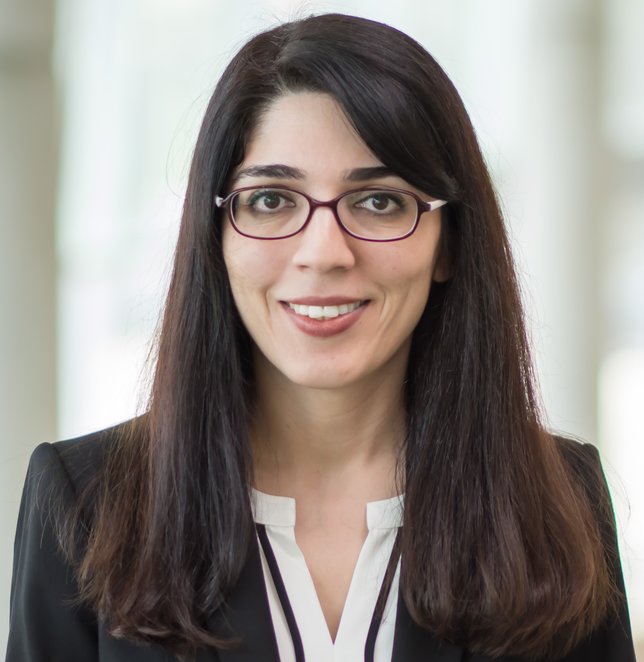
Daniel Batlle, MD
Mark Flapan Award recipient
A novel ACE2 protein for Scleroderma Kidney Northwestern University Established Investigator Award
Scleroderma kidney is a rare but very severe complication of systemic sclerosis or scleroderma, where there is a severe blood pressure increase with deterioration of kidney function, to the point that the kidneys fail and require dialysis. Currently used medications called ACE inhibitors are sometimes very effective but, overall, they have not been able to change the course of the disease for most patients, and the mortality remains very high. In addition, these drugs are not recommended for use in scleroderma patients who have not yet developed a kidney crisis because when used preventatively the outcomes were worse than when not used. Therefore, there is an urgent need to identify novel treatments to improve outcomes in patients with scleroderma kidney. To be able to develop therapies for humans, it is necessary to first try them in animal models that mimic human kidney complications in patients, and currently, there are no good models for this purpose. In this proposal, we will use an existing mouse model where we have found that many of the kidney features of patients with Scleroderma Kidney can be found and therefore studied in great detail. Using this mouse model, we will determine the benefit of giving a novel soluble ACE2 protein to these mice for several weeks. The effectiveness of this protein injected into mice will be compared with the effectiveness of currently used ACE inhibitors. We anticipate that our study will provide strong evidence that our novel therapy in an appropriate animal model of scleroderma kidney will lay a strong foundation for moving this new drug to the clinic.
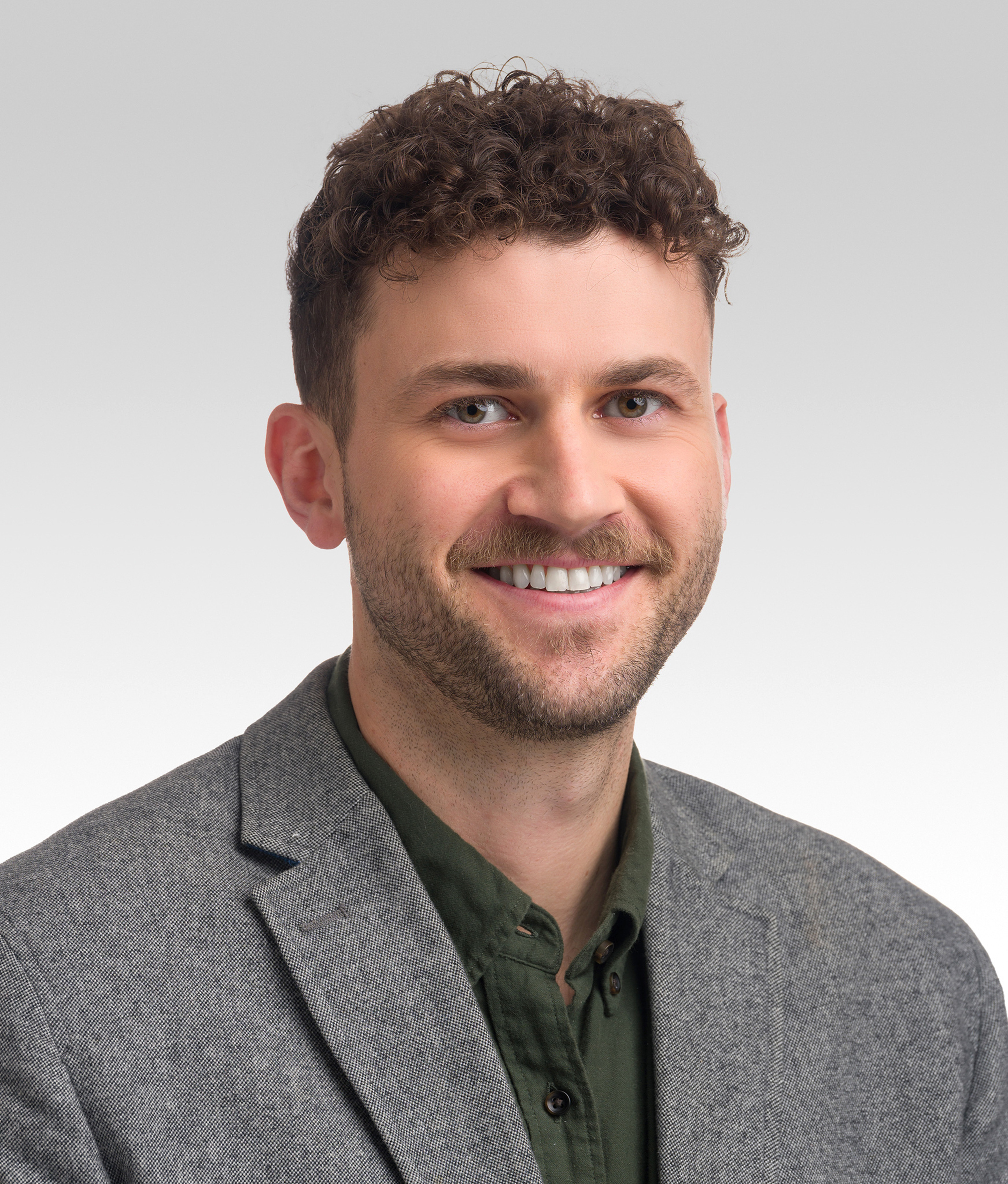
Matthew Dapas, PhD
Walter and Marie Coyle Award recipient
Evaluating a role for polysialic acid as a diagnostic, prognostic and therapeutic target in systemic sclerosis Northwestern University Feinberg School of Medicine
New Investigator Award
An effective immune system relies on its ability to distinguish between healthy cells and those that are compromised or foreign, allowing it to respond precisely to threats while minimizing damage to the body’s own tissues. Human leukocyte antigen (HLA) proteins are crucial in this process, as they bind to and present foreign proteins to immune cells, facilitating immune recognition. Consequently, HLA genes are consistently identified as the strongest genetic risk factors for autoimmune diseases, where the immune system mistakenly targets the body’s own cells. Different versions of HLA proteins are also associated with different subtypes of these diseases.
Systemic sclerosis, or scleroderma, is a serious autoimmune disease that causes the skin and internal organs to become thick and stiff. In scleroderma, certain HLA genes are linked to specific types of the disease and its severity. This project aims to use genetic sequencing and single-cell gene expression analysis to study these
HLA genes in people with different types of scleroderma. The goal is to identify HLA-mediated pathways that contribute to clinical variability among patients. A deeper understanding of these mechanisms may lead to the development of more personalized and effective treatments for scleroderma patients.
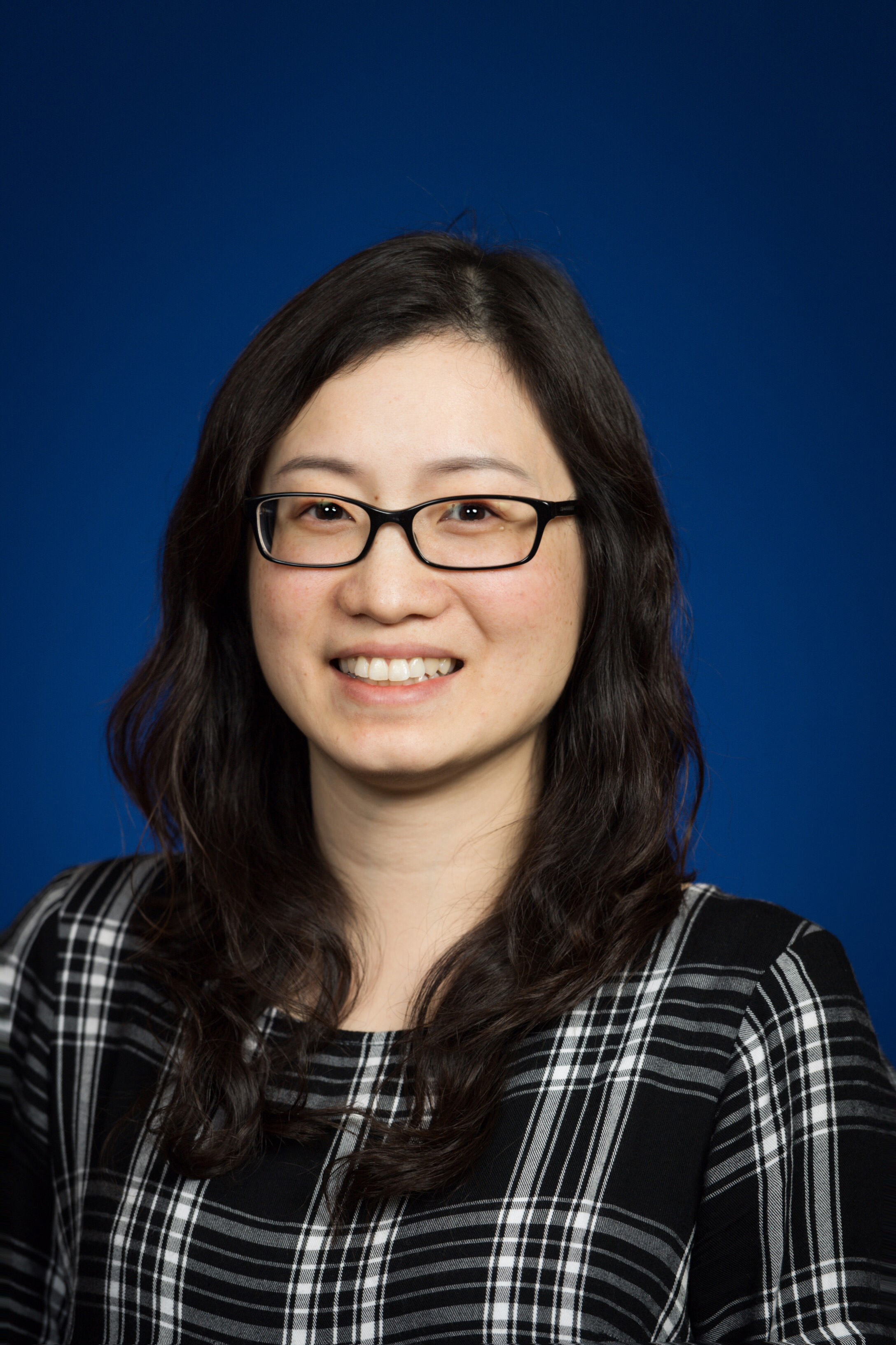
Eliza Tsou, PhD
Marta Marx Fund for the Eradication of Scleroderma recipient
Endothelial Senescence and the cGAS-STING Pathway: Drivers of Vasculopathy in SSc University of Michigan Established Investigator Award
Systemic sclerosis (SSc), or scleroderma, is a rare, serious autoimmune disease that causes blood vessel damage and widespread tissue scarring. People with SSc suffer from reduced blood flow to their skin and organs, but the reasons for this blood vessel injury are not well understood. Recent research suggests that blood vessel cells in SSc become “senescent”, a state where the cells stop working properly and release harmful substances that lead to inflammation and more tissue damage. Our research focuses on a process where damaged cell parts, called mitochondrial DNA, accumulate outside the nucleus of blood vessel cells.
This triggers a pathway known as cGAS-STING, which may drive the harmful cell changes and inflammation seen in SSc. We also suspect that bits of mitochondrial DNA and immune proteins found in the blood might be clues, or markers, of blood vessel injury. This project will investigate exactly how mitochondrial DNA and the cGAS-STING pathway lead to blood vessel damage in SSc, and explore whether measurement of these molecules in patient blood relate to visible blood vessel problems. Our findings could point toward new ways to diagnose and eventually treat blood vessel damage in SSc.
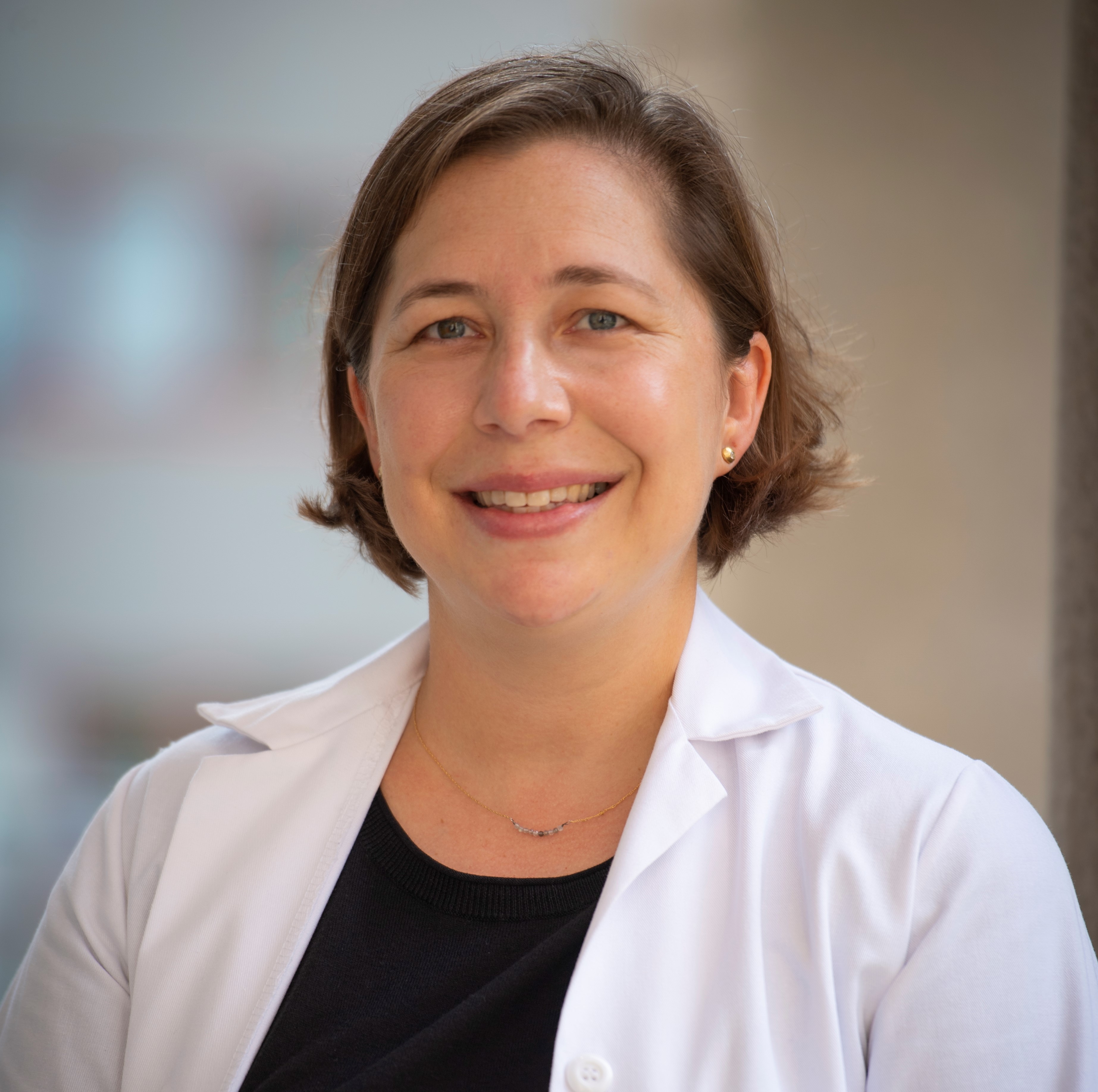
Rachel Knipe, MD
Debra Lurvey Memorial Award recipient
Targeting Vascular Permeability through Inhibiting Endothelial 2a. NEW INVESTIGATOR GRANT ROCK2 in SSc ILD Massachusetts General Hospital Established Investigator Award
Systemic Sclerosis (SSc) is an autoimmune disease with tissue fibrosis, or scarring, that can affect many organs. Lung fibrosis, also known as SSc associated interstitial lung disease (SSc-ILD), is the leading cause of death in SSc. There is a great need for therapies to stop the development and progression of SSc-ILD.
Endothelial cell (EC) injury and vasculopathy precede fibrosis as an early event in disease pathogenesis. EC sense injury through exposure to circulating factors and changes in their environment like stiffness. Rho kinase (ROCK), a mechanosensor, regulates EC barrier function. We propose that in SSc-ILD, EC injury increases permeability and tissue stiffness, causing persistent EC dysfunction and fibroblast activation that promote fibrosis. Restoring pulmonary vascular integrity via inhibition of EC ROCK in SSc could have great therapeutic value.
Our preliminary data show that lung EC in SSc-ILD have increased ROCK activity, and that EC-specific ROCK2 deletion is protective in a model of lung fibrosis. We hypothesize that therapeutic EC ROCK2 inhibition will prevent SSc-ILD. We will use endothelial ROCK2 deletion mice in a pump systemic bleomycin model to determine how ROCK2 drives SSc-ILD (Aim 1) and how EC ROCK2 dependent mechanotransduction promotes endothelial dysfunction associated with SSc-ILD (Aim 2).
Kaveh Ardalan, MD, MS
Engaging Juvenile Localized Scleroderma Patients and Caregivers to Inform Mental Health Intervention Development
Duke University
Established Investigator Award
At half of doctor’s visits, patients with juvenile localized scleroderma (JLS) report negative effects on their quality of life. Living with JLS can be stressful due to the damaging effects of JLS on skin and underlying tissues, which can be disabling and disfiguring. Treatments for JLS often cause side effects are stressful to cope with. In many other pediatric rheumatic diseases, depression and anxiety are common due to disease and treatment related stressors. But there are no published studies defining how often JLS patients experience depression and anxiety, who is at highest risk, how depression and anxiety influence JLS patients’ medication adherence, or how to support of JLS patients’ mental health. This study will define the scope of mental health impact in JLS and lay groundwork for future mental health supports tailored to JLS patients’ unique experiences. We will use surveys to determine the mental health impact of JLS, risk factors for mental health challenges in JLS patients, and relationships of depression and anxiety to medication nonadherence. We will also engage JLS patients and caregivers in focus group interviews to gather perspectives on the design of mental health interventions to support JLS patients.
Samuel Good, MD
Development of a Novel Patient Reported Outcome Measure for Patients with Systemic Sclerosis-Associated Gastrointestinal Disease The Regents of the University of California, Los Angeles New Investigator Award
Currently, there are no therapies available that stop the progression of systemic sclerosis in the gastrointestinal (GI) tract. Symptoms of the GI tract include difficulty swallowing, heartburn, nausea, vomiting, diarrhea, constipation and abdominal pain, amongst others. These are symptoms that people living with scleroderma describe as particularly bothersome. They contribute to disability and risk of death for those living with the disease. One major reason for why we cannot stop the progression of scleroderma in the GI tract is that there are no tools that accurately measure disease progress and response to treatments in the GI tract. Without a way to measure how therapies affect GI disease in scleroderma, it is impossible for clinical trials to evaluate new drugs that could potentially treat these symptoms. The purpose of this study is to develop a tool, called a patient reported outcome measure, that accurately measures patient symptoms and can be used in clinical trials. This tool will allow for researchers to conduct trials specifically for drugs that target the progression of scleroderma GI disease. This has the potential to reduce symptom burden and improve outcomes for people living with scleroderma GI disease.
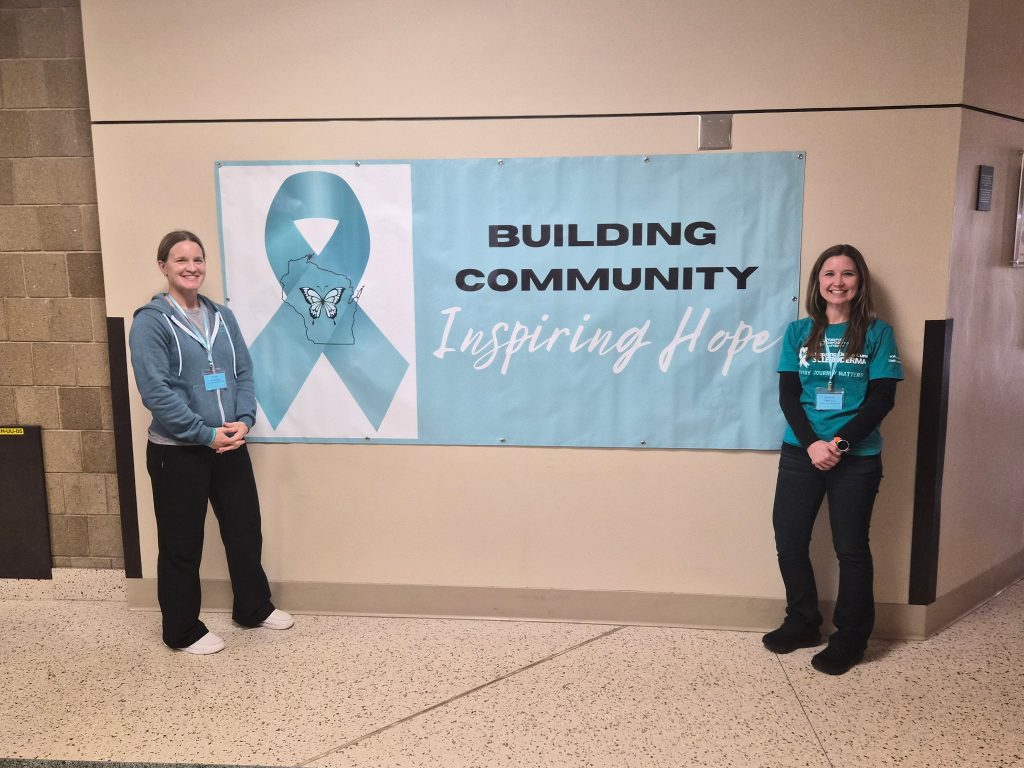
Thank you to everyone who attended the Upper Great Lakes Chapter–Wisconsin’s 3rd Annual Health Conference on Saturday, April 18, 2026, in Green Bay, Wisconsin.
Participants enjoyed a meaningful day of learning, connecting with fellow scleroderma warriors, and building community.
The event featured five breakout sessions that gave participants the opportunity to engage in small-group discussions with presenters, creating a comfortable and relaxed learning environment.
As part of one of the chapter’s signature community-building activities, participants painted butterflies. The day concluded with participants displaying their butterflies on our community tree as a symbol of hope, resilience, and unity.
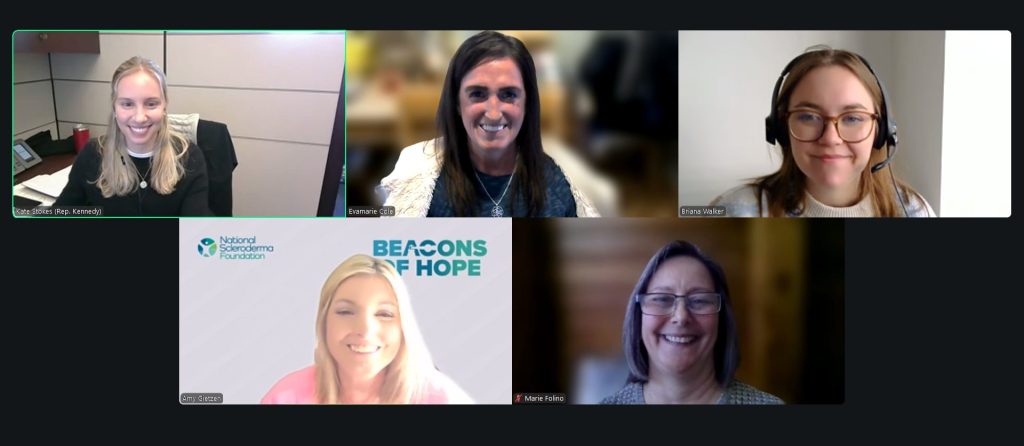
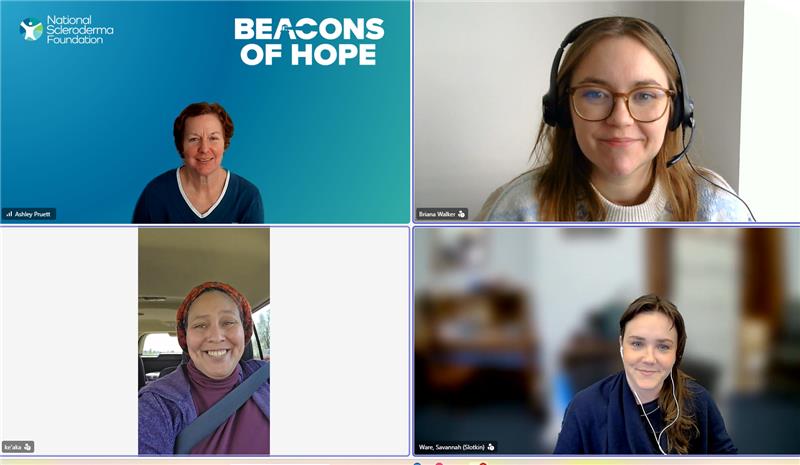
Scleroderma advocates from across the country spent Wednesday and Thursday speaking with legislative offices about the critical legislative priorities of the scleroderma community.
The 2026 Spring Virtual Hill Days provided members of our community an opportunity to speak with legislative staffers and let them know how important pieces of legislation can make a big impact on the lives of people living with scleroderma.
“We are so grateful for our advocates who take time out of their day, not just for legislative meetings, but for training and preparation leading up to the meetings,” Ashley Pruett, Vice President for Community Engagement said. “Each advocate takes time to share a very personal story, and I can tell you it makes a huge impact with legislative staffers they meet with.”
This Spring, advocates made a series of legislative asks focused on supporting scleroderma research and making critical improvements to healthcare access and affordability.
2026 Legislative Priorities
Ensuring scleroderma continues to be included in the Peer Reviewed Medical Research Program (PRMRP) for FY27
Ensuring robust funding for the NIH and CDC
Co-sponsor and advancement of the Safe Step Act
Co-sponsor and advancement of the HELP Copays Act
Co-sponsor and advancement of the Clinical Trials Modernization Act
In total, our advocates held more than 20 different meetings. These meetings are very important as the legislators are in the middle of the budget planning cycle for FY27 right now.
Many of the advocates who advocated this week, also took part in Virtual Hill Days in the Fall. However, there were a few new faces who made the most of their very first chance to advocate for the scleroderma community.
“Raising awareness and advocating for patients like myself has opened new chapter in my life,” Ke’aka Stokes, a first-time advocate, said. “It’s easy to get caught up in the mundane, day-to-day Scleroderma life and feel burned out. Virtual Hill days, and advocacy, renew that spark. I’m excited to see where advocacy takes me and the scleroderma crew!”
More Work to Do
This is just the beginning of the Foundation’s advocacy efforts this year. In July, Foundation staff and advocates will lead a breakout session about advocacy during the National Scleroderma Conference in Baltimore. Later this year, the Foundation also plans to host another Virtual Hill Days event.
“We’re building a regular schedule of Virtual Hill Day opportunities,” Pruett said. “It’s important to remember, though, advocacy is a year-round project.”
You don’t have to attend a real-time meeting, like for Virtual Hill Days, to make your voice heard. The Foundation regularly shares action alerts throughout the year. Action alerts are used when we need members of our community to reach out to their legislators by phone or email to encourage them to take certain actions.
National Scleroderma Foundation CEO, Mary J. Wheatley, IOM, CAE, joined the global scleroderma community at the 9th Systemic Sclerosis Patient World Congress. Mary shares some of the key points of discussion from the event.
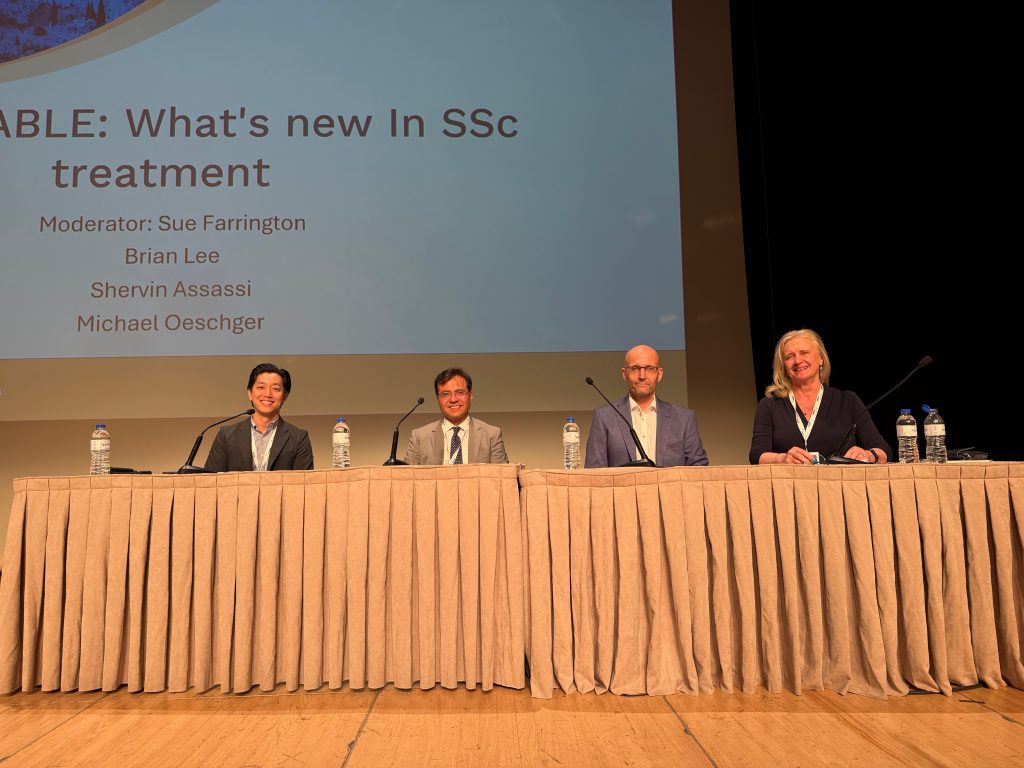
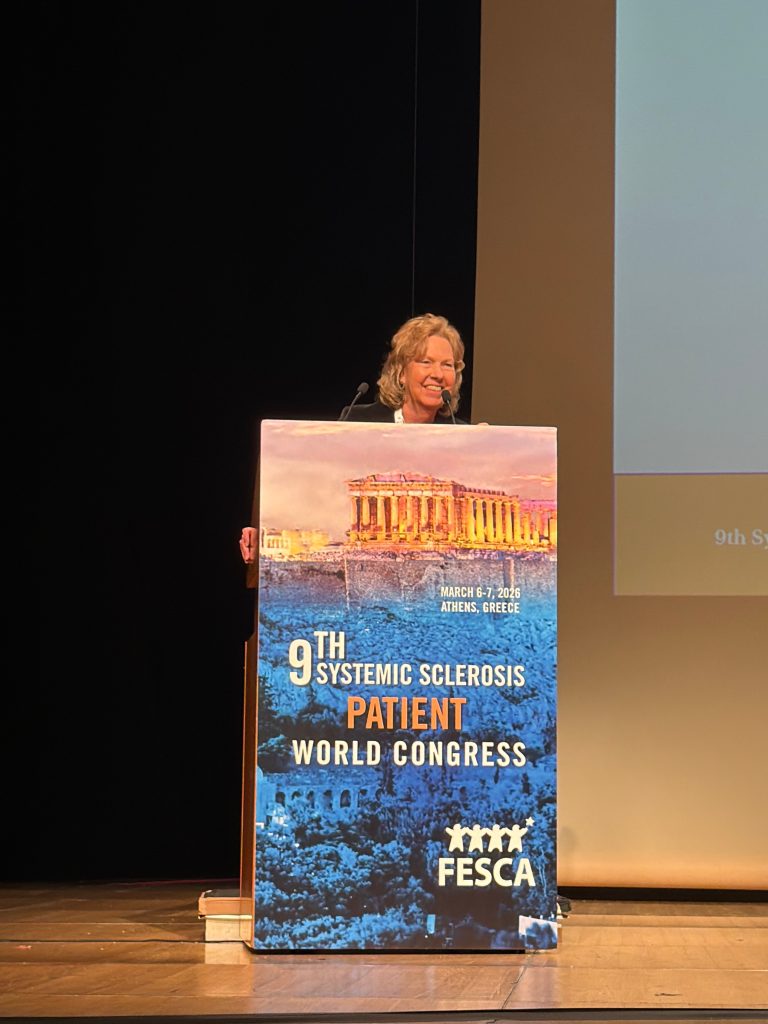
Last week, I had the privilege of participating in the 9th Systemic Sclerosis Patient World Congress in Athens, Greece, where patients, clinicians, researchers, and advocates from across the globe came together to discuss progress in scleroderma research and care.
While many topics were explored, from emerging therapies to managing complex symptoms, one message resonated throughout the entire congress: Patients must be partners in research, not just participants.
The Unique Challenges of Rare Diseases
Systemic sclerosis is a rare, complex, and unpredictable disease. For those living with it, the impact extends far beyond physical symptoms. It affects daily life, employment, relationships, and mental health.
Because the patient population is small, every clinical trial matters—and every participant matters even more. That is why designing clinical trials that are realistic, meaningful, and patient-centered is so critical.
Bringing the Patient Voice Into Drug Development
During the roundtable discussion “Accelerating Access: Breaking Barriers to Therapies,” we discussed how patient engagement can transform the drug development process.
Drug development is complex because safety matters deeply. That is precisely why patient engagement is so important — it reduces delays caused by poorly designed trials and strengthens the case for urgency at every stage.
Patients bring insights that no dataset can provide. They understand the daily realities of fatigue, gastrointestinal complications, Raynaud’s phenomenon, lung involvement, and other challenges that define living with systemic sclerosis.
When patients are involved early in clinical trial design, outcome selection, and regulatory discussions, trials become more feasible for participants, recruitment and retention improve, the burden on patients is reduced, and endpoints reflect outcomes that truly matter in daily life.
Why Patient Experience Data Matters
Another important topic of discussion was the growing role of patient experience data (PED) and patient reported outcomes (PROs).
Many burdens of systemic sclerosis are invisible. Without direct input from patients, critical symptoms can be underestimated or overlooked. Fatigue may not be captured in traditional clinical endpoints; gastrointestinal symptoms may not be prioritized; or functional limitations may not be fully understood.
Clinical trials tell us whether a therapy works biologically. Patients tell us whether it works enough to matter.
Addressing Barriers to Clinical Trial Participation
Another important discussion focused on equity in clinical trial participation. Many patients face barriers that limit their ability to participate in research, including:
Geographic distance from major research centers
Travel costs and logistical challenges
Lack of information about available trials
Language and literacy barriers
Historical mistrust of medical research
Patient experience data can also support regulatory decisions, influence benefit–risk assessments, and strengthen the case for reimbursement and access.
To address these challenges, we must continue to explore decentralized and hybrid clinical trial models, increase collaboration between patient organizations and researchers, and ensure better communication about research opportunities.
Clinical trials should be realistically available to all patients, not just those who live near major academic centers.
Innovation Must Go Beyond Medication
While new therapies are essential, we were also reminded that medication alone is not comprehensive care.
People living with systemic sclerosis often need access to, pulmonary rehabilitation, specialized physiotherapy, nutritional care, mental health support, and multidisciplinary clinical teams. Innovation in rare diseases must include both scientific advances and improvements in supportive care.
Moving Forward Together
One of the most inspiring aspects of the event was seeing the global scleroderma community working together—patients, physicians, researchers, regulators, and industry.
Real progress happens when these groups collaborate.
When patients are involved in trial design, when patient experience informs regulatory decisions, and when equity is prioritized in research participation, we build a system that works better for everyone.
In rare diseases like systemic sclerosis, every voice matters. And the future of research will be strongest when patients are partners in progress, not observers.
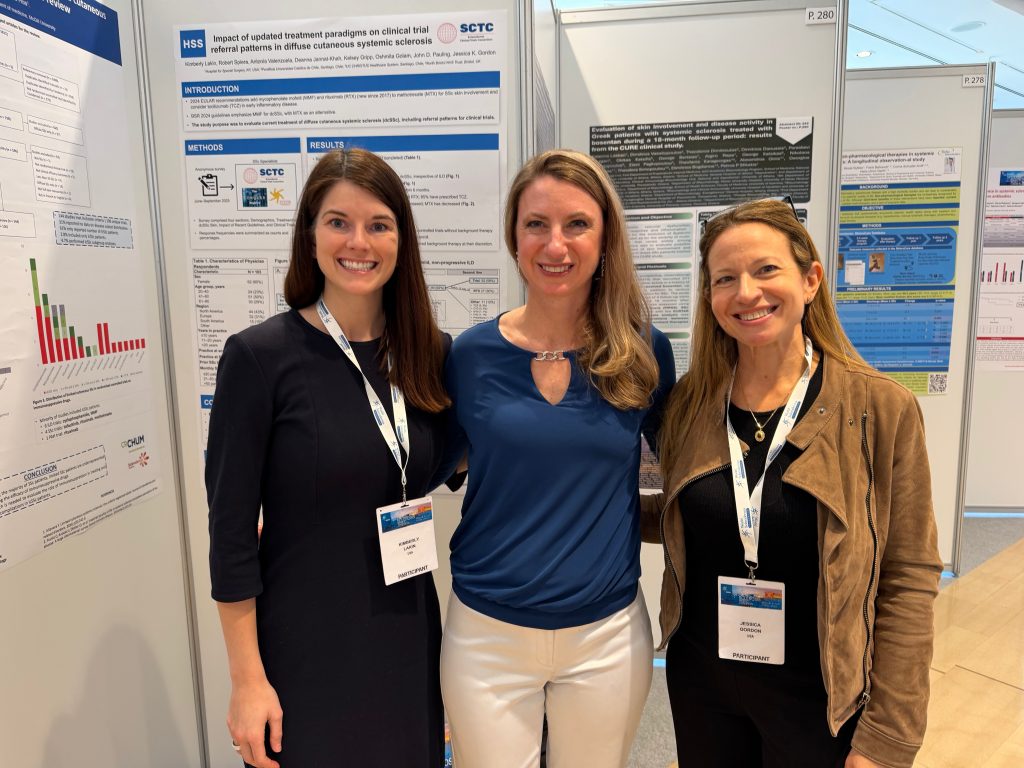
More than 1,000 clinicians and researchers joined together for the 9th Systemic Sclerosis World Congress. Organized by the World Scleroderma Foundation, the event runs parallel with the Systemic Sclerosis World Patient Congress. This year’s event highlighted how rapidly the research landscape in systemic sclerosis is evolving. Several key scientific themes emerged across presentations and discussions.
Earlier Diagnosis and Disease Prevention
One of the strongest themes was the push toward identifying systemic sclerosis earlier, before irreversible organ damage occurs. Researchers discussed advances in the VEDOSS (Very Early Diagnosis of Systemic Sclerosis) framework, which uses early clinical features such as Raynaud’s phenomenon, autoantibodies, and nailfold capillaroscopy findings to identify patients at risk of developing systemic disease. Studies are also exploring simplified capillaroscopy approaches that could make early screening more accessible in routine clinical practice.
Lung Disease Remains a Critical Focus
Systemic sclerosis–related interstitial lung disease (SSc-ILD) continues to be a major focus of research, reflecting its role as the leading cause of mortality in the disease. Several studies examined new ways to predict disease progression, including imaging-based models using high-resolution CT scans and emerging biomarkers linked to vascular injury and immune dysfunction.
Understanding Vascular Injury
Many presentations reinforced the importance of vascular damage as an early and central feature of systemic sclerosis. Research explored mechanisms of endothelial injury, new biomarkers of vascular dysfunction, and improved approaches for detecting complications such as pulmonary arterial hypertension and peripheral vascular disease.
New Therapeutic Frontiers
Some of the most exciting data focused on next-generation therapies for severe or treatment-resistant disease. Early clinical studies are evaluating innovative immune-targeted approaches, including CD19-directed CAR-T cell therapies, which aim to reset dysfunctional immune responses in systemic sclerosis. Other studies explored new strategies targeting B cells and immune pathways involved in fibrosis.
Regenerative Medicine and Tissue Repair
Researchers are also investigating regenerative approaches, including therapies based on adipose-derived stem cells and tissue repair strategies designed to address fibrosis and microvascular damage. These approaches aim not only to slow disease progression but potentially to restore damaged tissue.
The Role of Digital Innovation
Finally, the congress highlighted how artificial intelligence and digital tools may improve diagnosis and disease monitoring. For example, AI-assisted nailfold capillaroscopy systems are being developed to help clinicians identify scleroderma patterns more efficiently and expand access to specialized diagnostic techniques.
Taken together, these scientific developments point toward a future where earlier diagnosis, precision monitoring, and innovative therapies could significantly change the trajectory of systemic sclerosis care.
Cause for Hope
The progress presented at the congress shows how far the systemic sclerosis field has come.
But it also highlights an important truth: scientific innovation alone is not enough. To truly change outcomes for people living with rare diseases, research, clinical care, regulatory systems, and patient communities must move forward together.
When patients are partners in research, when clinical trials reflect real-world needs, and when scientific discoveries translate into accessible therapies, we create a system that works better for everyone.
The conversations in Athens made one thing clear: the future of systemic sclerosis care will be shaped not only by new therapies, but by collaboration across the entire community.
I am grateful to Sue Farrington, Ilaria Galetti, FESCA leadership and conference organizers for the invitation, as well as National Scleroderma Foundation leaders who participated (Zeba Hyder and Monica Ramirez) in this important Congress.