
Foundation Joins Letter to Congress on Price Setting Policies

The Foundation is a proud member of The Ensuring Access through Collaborative Health (EACH) and Patient Inclusion Council (PIC), otherwise known as EACH/PIC Coalition. It is a two-part coalition that unites patient organizations and allied groups (EACH), as well as patients and caregivers (PIC), to advocate for drug affordability policies that benefit patients.  

This week we were honored to sign and support a letter to Congress from the EACH/PIC Coalition on price setting policies. 

The important takeaway from what is being asked of Congress is that we want them to prioritize reforms rooted in patient experience and to: 

  • Hold Pharmacy Benefit Managers (PBM) Accountable 
    • Prohibit spread pricing and require full disclosure of reimbursement and rebates. 
    • Replace percentage-based PBM compensation with flat-fee service models.
    • Ensure negotiated discounts and rebates are passed to patients. 
    • Require full transparency of PBM contracts, rebate flows, and formulary design. 
  • Cap and Smooth Patient Out-of-Pocket Costs 
    • Implement annual limits on patient prescription spending. 
    • Adopt payment-smoothing mechanisms to distribute costs evenly over the year. 
  • Expand and Protect Assistance Programs 
    • Preserve manufacturer copay assistance. 
    • Ban accumulator and maximizer programs that nullify patient aid. 
    • Strengthen federal assistance for low-income or under-insured patients. 
    • Create a centralized clearinghouse to help patients obtain financial support. 

The request urges Congress to reject unproven or imported price-control schemes and focus instead on patient-centered affordability reforms that address real-world barriers to care. Policies grounded in patient experience, not government price ceilings, will deliver lasting relief and preserve access to innovation for future generations. 

Prescription drug affordability for patients is a priority for the National Scleroderma Foundation, and we will keep our community informed on this topic. For more information about scleroderma advocacy, please contact advocacy@scleroderma.org. To learn more about the EACH/PIC Coalition, visit: https://eachpic.org/.  View a digital version of the letter here.
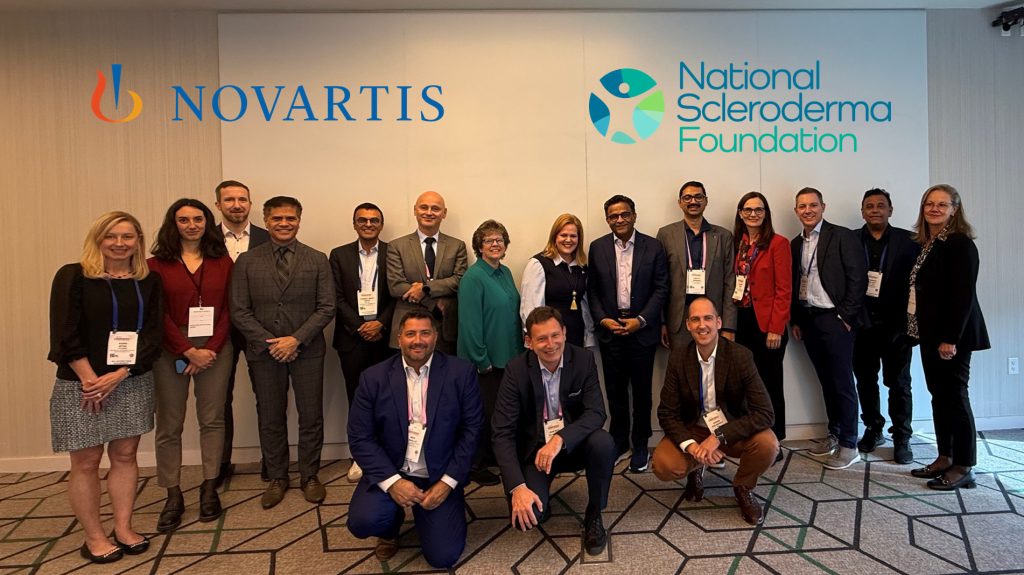

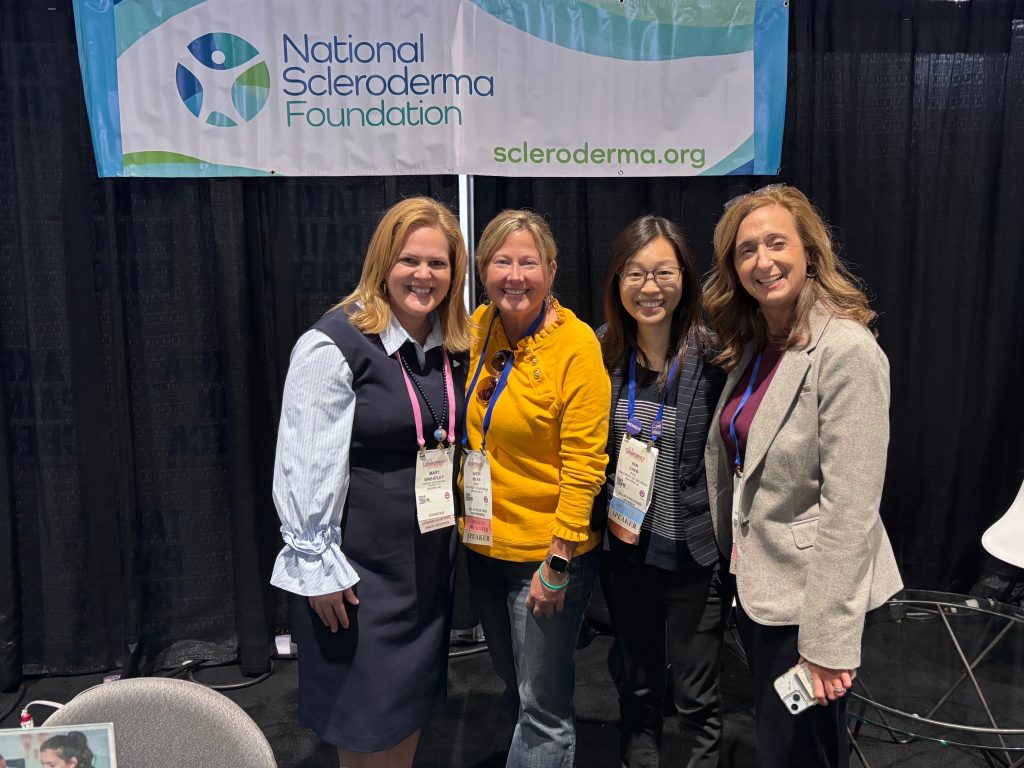
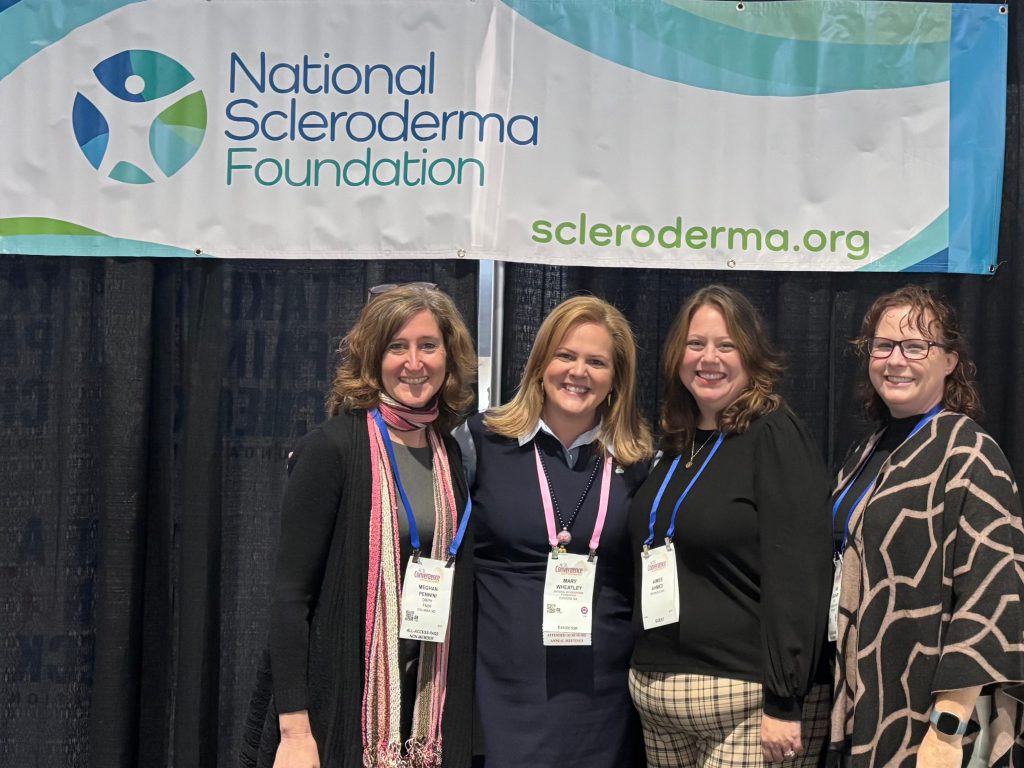
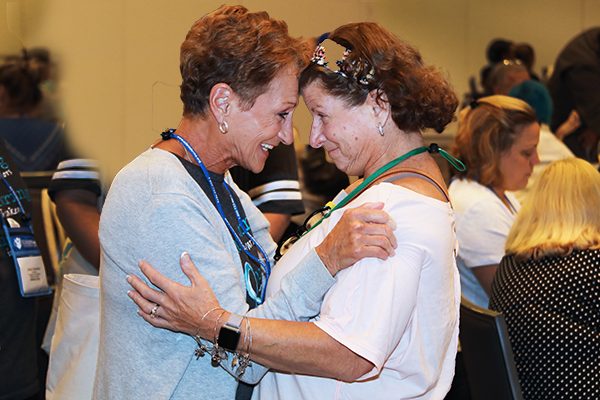
As the only national patient advocacy organization in the US, the National Scleroderma Foundation is honored to represent more than 300,000 Americans living with scleroderma. During our time at ACR Convergence in Chicago, we connected with supporters from our medical and scientific community, advocates and champions living with scleroderma, as well as our corporate and nonprofit partners. The excitement among all members of our scleroderma community was palpable. 

We are grateful to our friends and partners Adicet Bio, argenx, AstraZeneca, Boehringer Ingelheim, Bristol Myers Squibb, Merck, Novartis, Johnson & Johnson for their steadfast commitment to our community. The path ahead is so much brighter thanks to your dedication, collaboration and partnership. Thank you.  

Thanks also to our friends American College of Rheumatology, Arthritis Foundation, Childhood Arthritis and Rheumatology Research Association, Lupus and Allied Diseases Association, Lupus Foundation of America, Foundation for Sarcoidosis Research, Foundation for the National Institutes of Health, The Myositis Association, Rheumatology Research Foundation, Sjögren’s Foundation, Rheumatology Research Foundation, and Vasculitis Foundation for your shared commitment and vision. We are so grateful for the opportunity to work with you!  

The conference kicked off with the Opening Session on Saturday afternoon, where Dr. Maureen Mayes was awarded the Distinguished Clinical Investigator Award, which recognizes leaders who have made outstanding contributions to the field of rheumatology.  

More than 10,000 attendees gathered for hundreds of sessions over six days in Chicago. I am DELIGHTED to share there were more than 200 sessions focused on scleroderma at this year’s conference. This, compared to just over 30 last year. From a 900% (!) increase in scleroderma clinical trials in the last five years alone, to this incredible increase in content at the world’s premiere rheumatology meeting, we have more cause for hope than ever before. Topics included Interstitial Lung Disease, Raynaud’s Phenomenon, vasculopathy and Gastrointestinal involvement. CAR-T therapy was a hot topic again this year, with several sessions highlighting this novel approach to treating complex diseases including scleroderma. 

Here are a few highlights:  

  • Janet Poole shared findings from her Foundation funded project the Making it WorkTM Systemic Sclerosis Program 
  • Shiloh Kantz shared the challenges involved for parents championing change for their children living with juvenile scleroderma  
  • Ivan Foeldvari shared expert medical and surgical approaches to difficult cases in juvenile localized scleroderma 
  • DeAnna Baker Frost presented challenges and solutions for management of Raynaud’s Phenomenon 
  • Cristina Padilla discussed the importance of oral health in scleroderma  
  • Elizabet Volkmann shared data on the Microbiome and GI Symptoms in Systemic Sclerosis from an International, Multi-center, Observational Study  
  • Afton Hassett shared a framework for Co-creating Health Interventions Through Collaborative Research and Community Empowerment 
  • Yen Chen shared data on cognitive dysfunction in scleroderma, with Sheri Hicks sharing her experience with brain fog   
  • In her Patient Perspectives session, Mary Alore shared her experience dealing with feelings of isolation and finding community and connection  

This work builds on decades of work, including landmark studies from a dedicated community who continue to work tirelessly to advance our understanding of disease pathogenesis, organ-specific complications, and novel therapeutic pathways.   

One of our patient champions shared with me yesterday, “It feels like our time has finally come!” I couldn’t agree more. This year marks a significant turning point in our journey to find a cure.   

While we are coming away from Convergence energized and hopeful, further research is critical to continue to enhance our understanding as a community, increase support for those diagnosed, and lead to new and innovative therapies that will transform the lives of those living with scleroderma. You can support groundbreaking scleroderma research now by giving at http://scleroderma.org/donate.  

Picture of Mary Wheatley

Mary J. Wheatley, IOM, CAE
Chief Executive Officer


Help demonstrate the strength of our community and speak up for policies that will improve the lives of people living with scleroderma.  

As the annual budgeting process continues this Fall, the Foundation is hosting Virtual Hill Days to connect our community with their local legislators. This is a valuable opportunity to share your story, raise awareness about the challenges facing people living with scleroderma, and urge lawmakers to support robust funding and other policies that will help our community.  

“Legislators want to hear from their constituents,” Ashley Pruett, vice president of community engagement with the National Scleroderma Foundation, said. “When people in their district take the time to have a meeting or send a letter, lawmakers and their staffs pay attention.” 

Because scleroderma is a rare disease, it is likely that many lawmakers and the staff members who advise them are not aware of the challenges their constituents living with scleroderma face. With Virtual Hill Days, the Foundation staff will arrange the meetings and make sure you have the tools you need for a successful meeting.  

“We know that many people are worried that a legislative meeting is something they can’t do,” Pruett said, “but nothing could be further from the truth.” 

So, what will you need to do? Share your personal story of your journey with scleroderma and let the legislative team you meet with know which policies can make your life better.  

Virtual Hill Days will be held October 15-16. In order to participate in Foundation-facilitated meetings, you will also need to attend a required training session on October 7 to ensure everyone is successful during their meetings.  

To register for Virtual Hill Days and the training, please complete the form here: Virtual Hill Days Registration. 

Learn more about the Foundations advocacy work and our legislative priorities by visiting our website

Questions can be directed to advocacy@scleroderma.org


National Scleroderma Foundation recognizes 2025 Pre-Doctoral Fellowship Awardees

The National Scleroderma Foundation’s Pre-Doctoral Summer Fellowship Award Program is a demonstration of the Foundation’s commitment to fostering the next generation of scleroderma researchers. An annual award program designed to recognize PhD students conducting research related to scleroderma, the program cultivates and supports students’ early interests in working to discover the cause and cure of scleroderma.

Students submit a proposal on research relevant to adult or pediatric scleroderma. Applications are accepted annually and due each spring, with awards given out at the beginning of June.

Neerja Marwaha Bhagat Research Scholar Fellowship

Each year, one recipient will be honored as the Neerja Marwaha Bhagat Research Scholar in recognition of their drive to discover the cause and cure of scleroderma. The Neerja Marwaha Bhagat Research Scholar Fellowship was established to honor the legacy of a longtime leader of the National Scleroderma Foundation Mid-Atlantic Chapter.

This year, the Neerja Marwaha Bhagat Research Scholar Fellowship Award was given to Paulene Sapao, PhD (c), from Virginia Commonwealth University.  She is currently in the Chemical Biology Graduate Program, working with her mentor Dr. Maria E. Teves, PhD, on her project Therapeutic modulation of primary cilia (ciliotherapy) represents a promising avenue for reversing fibrosis.

Arnold Postlethwaite Fellowship Pre-Doctoral Summer Fellowship

Annually one recipient will be awarded the Dr. Arnold Postlethwaite Summer Fellowship. The endowed memorial fellowship was established by the family of Dr. Arnold Postlethwaite and honor’s his career as a scleroderma specialist and his 22-year relationship with the National Scleroderma Foundation’s Medical & Scientific Advisory Board and support group leader.

This year the Arnold Postlethwaite Fellowship Pre-Doctoral Summer Fellowship Award was given to Hannah Carter, MD, PhD (c), from University of Michigan.  She is currently studying Lung Immunopathology, working with her mentor Dr. Bethany B. Moore, PhD on her project The Role of Tryptophan Metabolism in Pulmonary Fibrosis.

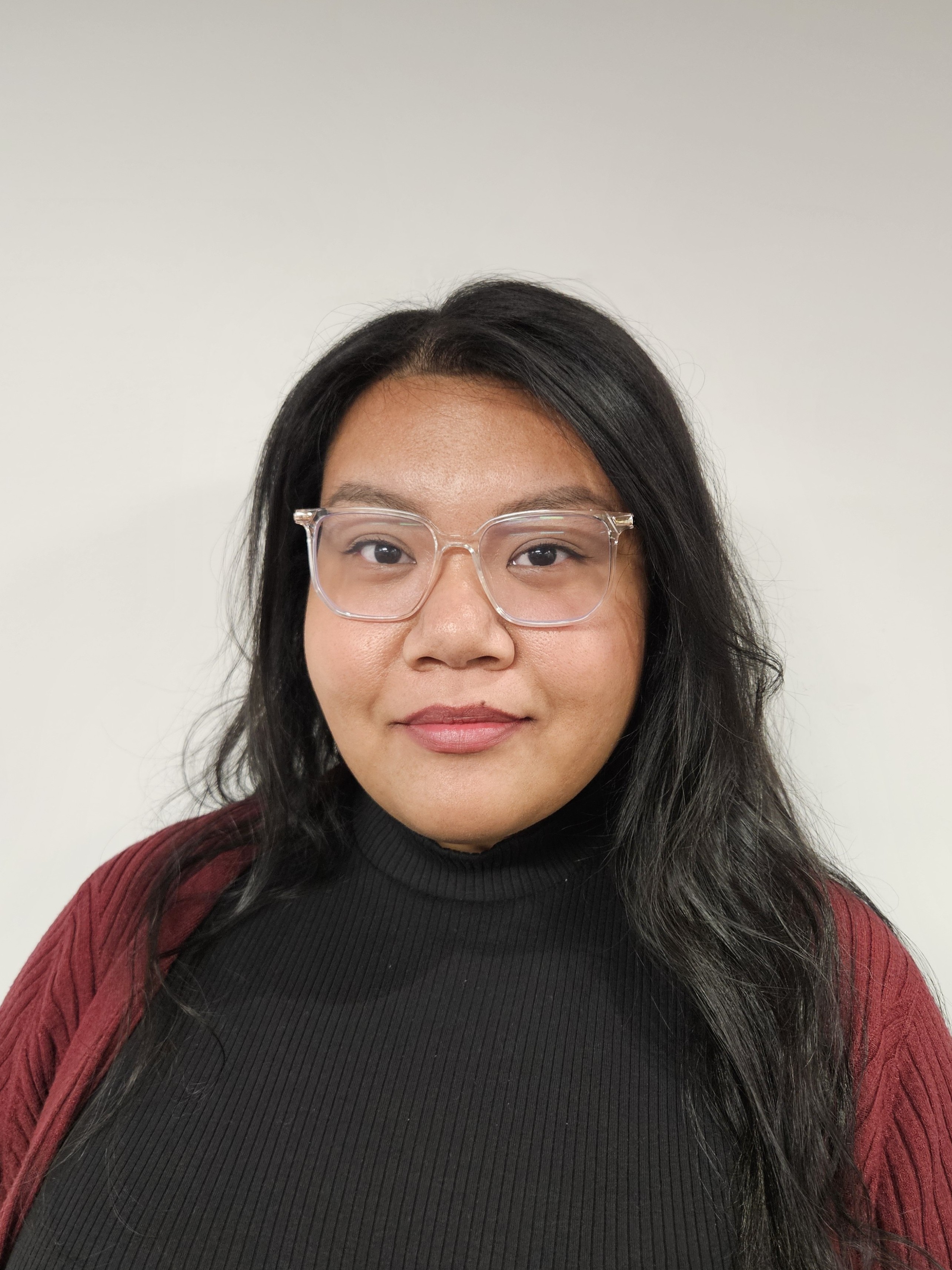
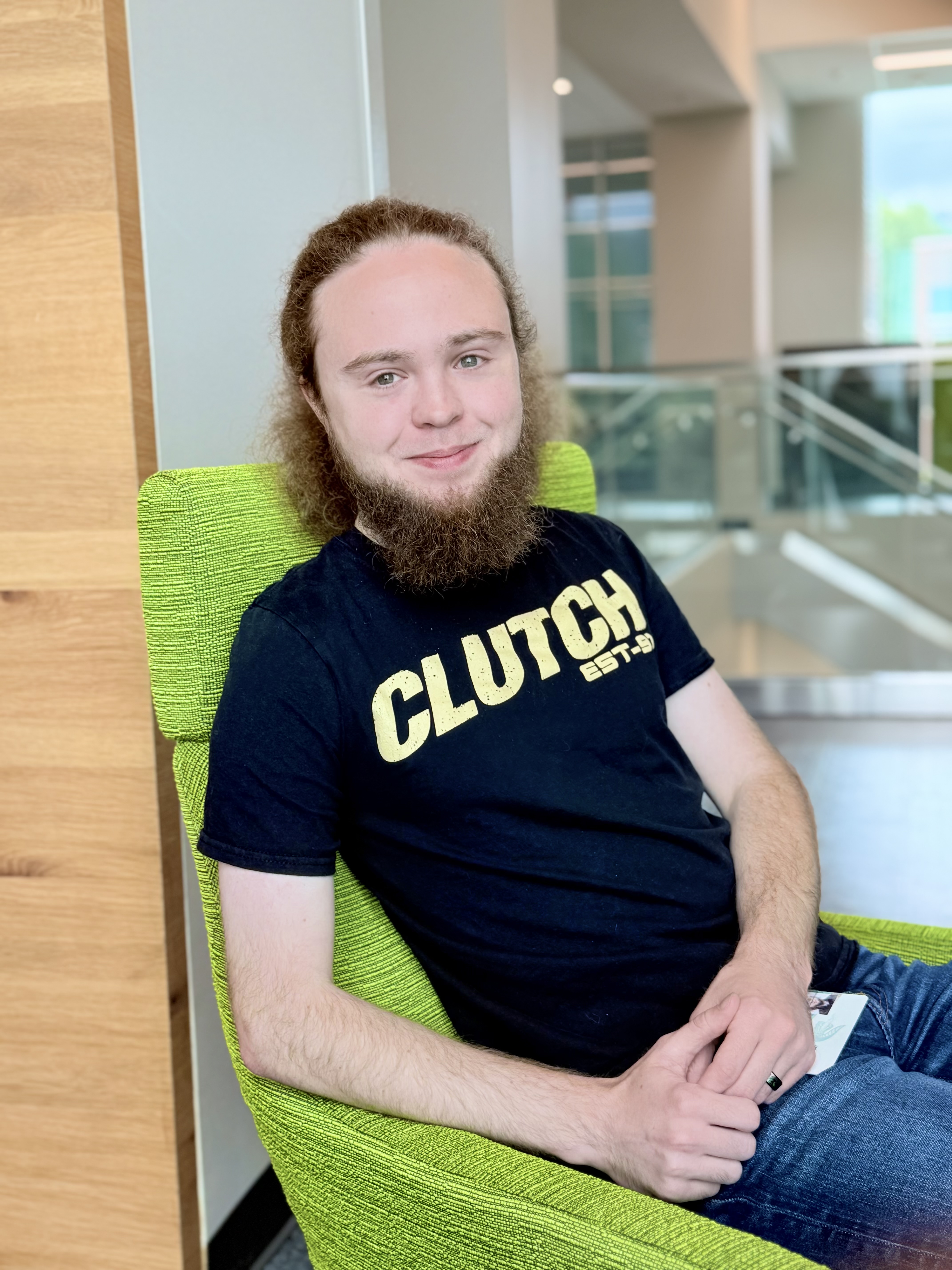
Congratulations to all of our 2025 Pre-Doctoral Summer Fellowship awardees.

2025 Pre-Doctoral Summer Fellowship Awardees

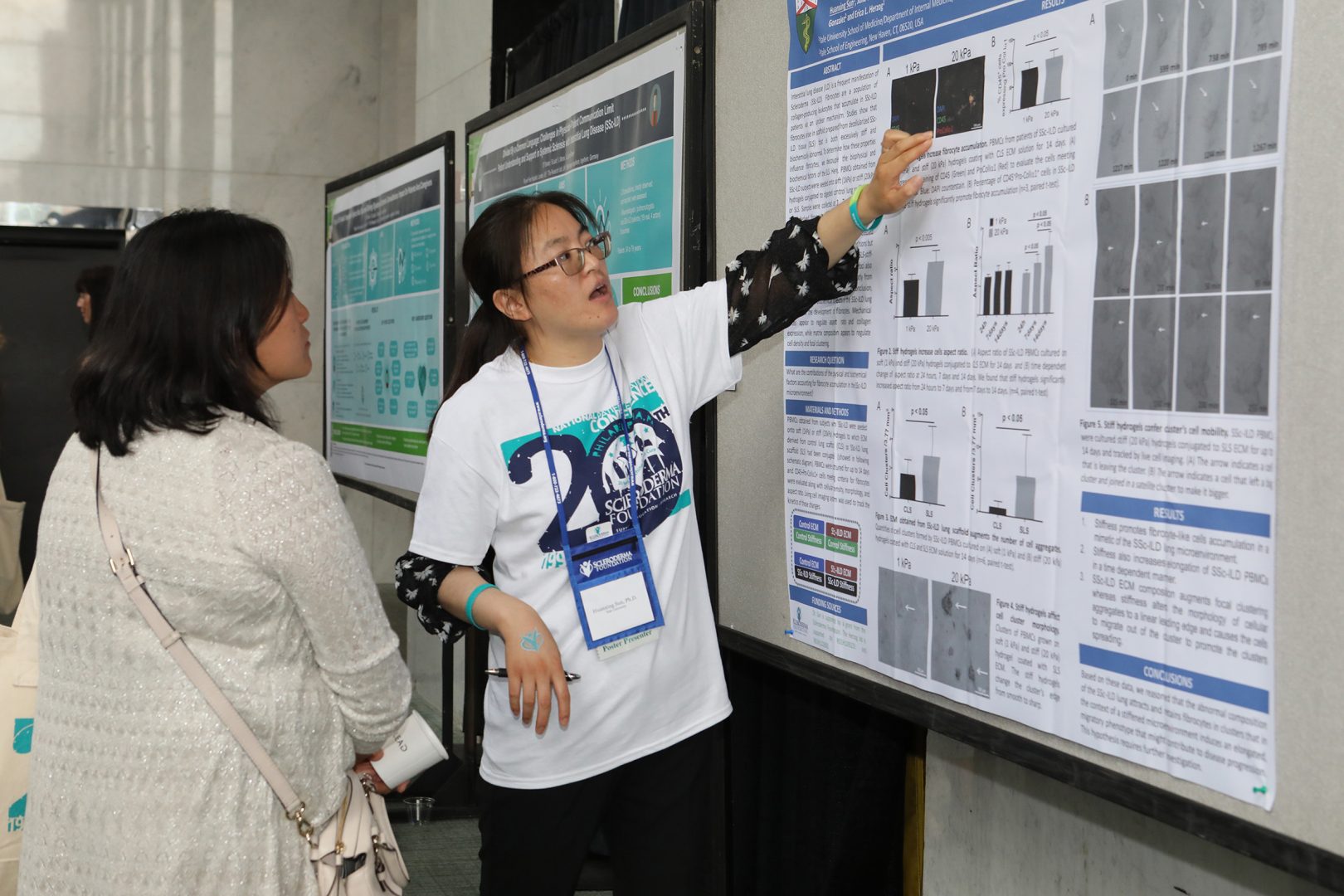
Scleroderma researchers from around the world convened at the 19th International Workshop on Scleroderma Research this week at St. John’s College in Cambridge, UK. 

This bi-annual meeting brings together basic, translational and clinical investigators in scleroderma and world leaders in related scientific fields, to promote scientific exchange and provide a venue for advancing the science of scleroderma. 

Several current and past leaders and researchers from the National Scleroderma Foundation shared updates on their research, assisted in the planning of the workshop, and joined to learn and collaborate with others in the field.  

“Interdisciplinary collaboration is crucial in our path to a cure,” said Carol Feghali-Bostwick, PhD, Vice Chair, National Scleroderma Foundation Board of Directors, who also serves on the Workshop’s organizing committee. “Our collaborative community and the open sharing of novel advances in the field positively impact our research progress,” she continued. 

Presentations included groundbreaking progress in cellular therapies and novel pathways, as well as research that has increased our understanding of GI, lung, skin, and cardiac involvement.  A couple of exciting highlights from Foundation-funded projects include:  

  • Dr. Franck Barrat, a National Scleroderma Foundation Established Investigator Award recipient, shared an update on his Foundation supported work looking at altered X-chromosome inactivation of the TLR7/8 locus and its impact on plasmacytoid dendritic cell heterogeneity in systemic sclerosis, particularly in female patients.1  This suggests that the protein locus contributes to ongoing type 1 interferon activity of dendritic cells in women living with scleroderma.  
  • Dr. Michael Whitfield gave an update on his lab’s progress looking at single cell omics of human skin equivalents, including modelling macrophage and fibroblast interactions in systemic sclerosis. This work2 builds on Dr. Patricia Pioli’s Foundation funded work and furthers our understanding of the role of the RUNX1 transcription factor in disease progression in people living with scleroderma.  
  • Dr. Johann Gudjonsson shared new insights into the pathogenesis of skin inflammation. This work was supported in part by the Foundation and looked at skin samples from early disease Systemic Sclerosis patients. Utilizing both single-cell and spatial-seq data, integrated with existing data, this work found specific cells with statistically significant spatially enriched interactions in SSC skin.  
  • Dr. Tracy Frech, Foundation Medical & Scientific Advisory Board Member, moderated a terrific session on the standard of care for systemic sclerosis across the globe and its impact on clinical trial design and conduct. This included updates on clinical guidelines and treatment recommendations3-5 from international standard setting organizations as well as discussion on how practice patterns and standard of care may impact trial design.  

References  

  1. Du, Y., Faz-Lopez, B., Ah Kioon, M. D., Cenac, C., Pierides, M., Lakin, K. S., Spiera, R. F., Chaumeil, J., Truchetet, M. E., Gordon, J. K., Guéry, J. C., & Barrat, F. J. (2025). Altered X-chromosome inactivation of the TLR7/8 locus and heterogeneity of pDCs in systemic sclerosis. The Journal of experimental medicine, 222(3), e20231809. https://doi.org/10.1084/jem.20231809 
  2. RUNX1 is Expressed in a Subpopulation of Dermal Fibroblasts and Higher RUNX1 Levels are Associated with the Severity of Systemic Sclerosis. Rezvan Parvizi, Zhiyun Gong, Helen C. Jarnagin, Diana M. Toledo, Tamar R. Abel, Dillon Popovich, Madeline J. Morrisson, Sasha Shenk, Monique E. Hinchcliff, Jonathan A. Garlick, Patricia A. Pioli, Michael L. Whitfield. bioRxiv 2024.04.03.587966; doi: https://doi.org/10.1101/2024.04.03.587966  
  3. Del Galdo F, Lescoat A, Conaghan PG, et al. EULAR recommendations for the treatment of systemic sclerosis: 2023 update. Annals of the Rheumatic Diseases Published Online First: 11 October 2024. doi: 10.1136/ard-2024-226430   
  4. Denton, et al. The 2024 British Society for Rheumatology guideline for management of systemic sclerosis, Rheumatology, Volume 63, Issue 11, November 2024, Pages 2956–2975, https://doi.org/10.1093/rheumatology/keae394 
  5. Johnson, S. R., et al. (2024). 2023 American College of Rheumatology (ACR)/American College of Chest Physicians (CHEST) Guideline for the Treatment of Interstitial Lung Disease in People with Systemic Autoimmune Rheumatic Diseases. Arthritis & rheumatology (Hoboken, N.J.), 76(8), 1182–1200. https://doi.org/10.1002/art.42861ATS   
  6. Raghu, G., Montesi, S. B., Silver, R. M., Hossain, T., Macrea, M., Herman, D., Barnes, H., Adegunsoye, A., Azuma, A., Chung, L., Gardner, G. C., Highland, K. B., Hudson, M., Kaner, R. J., Kolb, M., Scholand, M. B., Steen, V., Thomson, C. C., Volkmann, E. R., Wigley, F. M., … Ghazipura, M. (2024). Treatment of Systemic Sclerosis-associated Interstitial Lung Disease: Evidence-based Recommendations. An Official American Thoracic Society Clinical Practice Guideline. American journal of respiratory and critical care medicine, 209(2), 137–152. https://doi.org/10.1164/rccm.202306-1113ST 

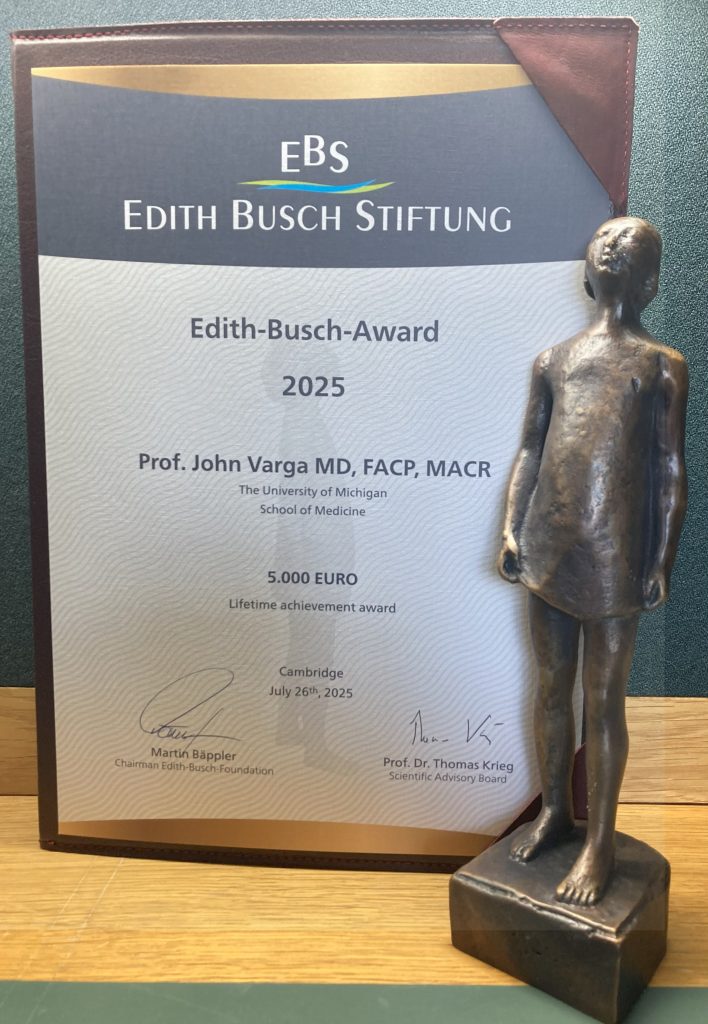
At the opening ceremony of the 19th International Workshop on Scleroderma Research, Dr. John Varga was honored with the 2025 Edith Busch Foundation Lifetime Achievement Award.  This prestigious honor had only been bestowed four times prior to this year’s award.


“Dr. Varga has dedicated his entire career – his life, really – to finding a cure for scleroderma. For more than 40 years, he has had this singular focus. He has followed the research and continued to evolve and expand his work based on findings from his lab and those of others in the field,” said Mary Wheatley, National Scleroderma Foundation CEO. “He is a committed mentor and a selfless collaborator, and we owe him a debt of gratitude for his many contributions to the field. I can think of no one more deserving than John for this incredible honor.”   

John Varga, MD is Professor of Rheumatology and Internal Medicine in the Division of Rheumatology and Chief of the Division of Rheumatology at the University of Michigan Medical School in Ann Arbor. He previously served as Chair of the National Scleroderma Foundation Medical & Scientific Advisory Board and currently co-chairs the Global Research Webinar.