
This Scleroderma Awareness Month, we’re proud to share Stories of Strength – real-life journeys from individuals living with scleroderma and the loved ones who walk beside them.
These powerful stories shine a light on the resilience, hope, and unwavering courage within our community. Each voice reminds us that through every challenge, there is strength – and through sharing, there is connection.
Amy Gietzen
One Woman’s Fight for Scleroderma Awareness
“I’m Amy Gietzen, the fearless scleroderma warrior from Buffalo, NY, and I’ve been kicking butt and taking names since 2001 when I was diagnosed with Systemic Scleroderma at the tender age of 19. Instead of sitting around feeling sorry for myself, I rolled up my sleeves and decided to turn my condition into a full-time advocacy gig – think superhero with a stethoscope.
I became the patient whisperer, charming my way through countless clinical trial focus groups while non-profits, pharma giants, and research companies tried to pick my brain. And boy, did they pick. My insights were like gold dust, paving the way for better access to care, diversified healthcare services, and even the tantalizing possibility of cures. Who knew patient inclusivity could be this fabulous?
My medical journey is like a rollercoaster that only goes up. With each twist and turn, I laid a solid foundation brick by brick for medical breakthroughs. I’m not just a patient; I’m an advocate, patient educator, public speaker, co-founder, and business developer – essentially a Swiss army knife of patient advocacy.
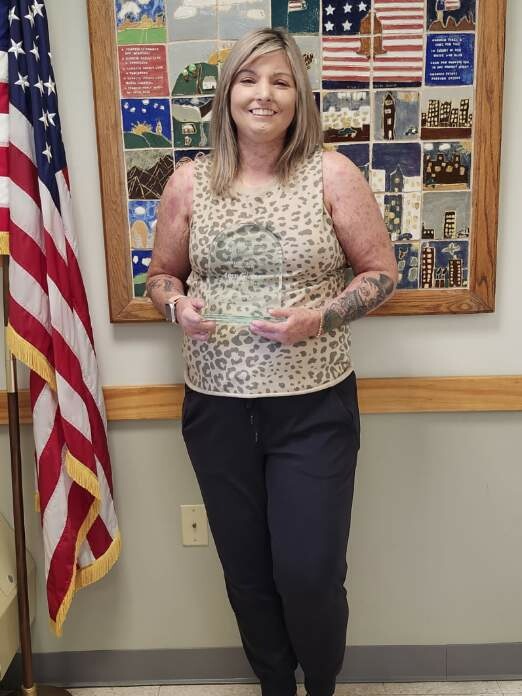
In 2020, I snagged the National Scleroderma Foundation’s Volunteer of the Year award. Then, in 2021, I added the Ernest J DuPont Award to my trophy shelf for educating rising healthcare professionals. In 2023, I received the Advocate of the Year Award for my outstanding work in Advocacy. I’ve worked with SPIN, the National Scleroderma Foundation Tri-State Chapter, and Patients Rising, all while dedicating my time to providing resources for rare disease patients.
I’m not just about work; I’m a traveling advocacy machine. Catch me zooming across the country, spreading awareness and sharing my story with humor, guts, and a dash of sass.”
Alex DePaulis
A Woman’s Journey to Self-Discovery Through Scleroderma
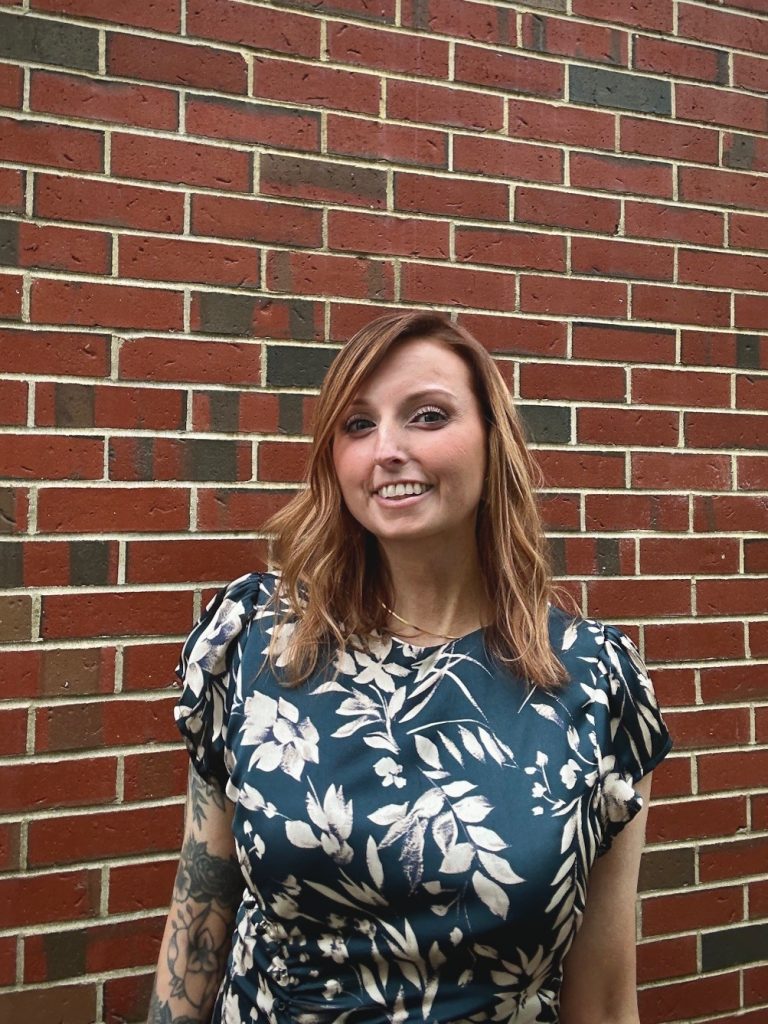
“My name is Alex and in 2020 I was diagnosed with diffuse scleroderma along with a myositis overlap.
Being in my 20’s, it was a hard diagnosis to accept and at first even harder to live with. Since my diagnosis, I’ve found myself proud of the person I’ve become.
Facing un-expecting battles has helped me become more resilient and driven to be the best me I can be.
Without scleroderma I don’t think I would be as connected to myself as I am today. Something I struggled with prior to diagnosis. For that I am thankful!”
Lynda Freeman
A Woman’s Courage to Keep Fighting
“My name is Lynda Freeman, and I was diagnosed with CREST 34 years ago! There is hope and difficulty in this relentless disease. It’s up to each individual to take charge and fight or give in and let this disease win.
Back when I was diagnosed, I was told when you have CREST, no lung or heart involvement would ever happen. They just didn’t have the information they do today.
Over the years I’ve had 25 surgeries and suffer with extreme fatigue and major GI issues, PAH, heart involvement, extreme GI issues that have led to a colostomy bag, removal of my lower intestines, gastroparesis, and tons of stomach blockages 100% adrenal insufficiency and too many calcification growths to count.
My PAH is under control thanks to a great physician familiar with scleroderma. I’m my own best advocate and encourage others to do the same.
I take my good days and enjoy them to the fullest. I’ve come to realize there are days the body needs to rest. It’s such an eye opener to realize you just won’t ever be the same.
I chose to stay positive and not let this disease dictate my life.
I have the best husband who is my rock and biggest supporter. He has been by my side since day one. I don’t know if I could have made it through some of these surgeries without him.
I just found out my middle daughter is positive for scleroderma. I am beyond heartbroken as I know the pain and suffering that she will endure. I can’t help but feel responsible for her diagnosis.
Let’s stay positive and fight the fight. I’m a warrior!”
Sarah Gajkowski-Hill
A Woman’s Poetic Journey Through Scleroderma
“My name is Sarah Gajkowski-Hill and I am a professional writer living in Houston, Texas. I have had limited scleroderma in my extremities since I was eight years old, so for 39 years.
2006 was an intense year for me, I had 5-, 4- and 1-year old children and I lost my first finger to amputation. That was the same year I was implanted with a spinal cord stimulator to keep the circulation going and to help with the pain in my hands and feet.
I was working as a freelance writer at the time and as an adjunct at the local community college. I remember clearly wearing my youngest daughter in a baby bjorn to my follow-up appointment after my amputation and I taught class that Saturday morning — three days following the procedure — with a totally bandaged hand.
My husband, kids and writing poetry are what have gotten me through the hardest parts of living with scleroderma.
Here’s a few lines from one of my poems about staying strong in the face of a hard diagnosis:
“…A slight of hand trick.
I perfected in just three days:
I’ll regenerate like a starfish
resilience in every pulsing ray.”

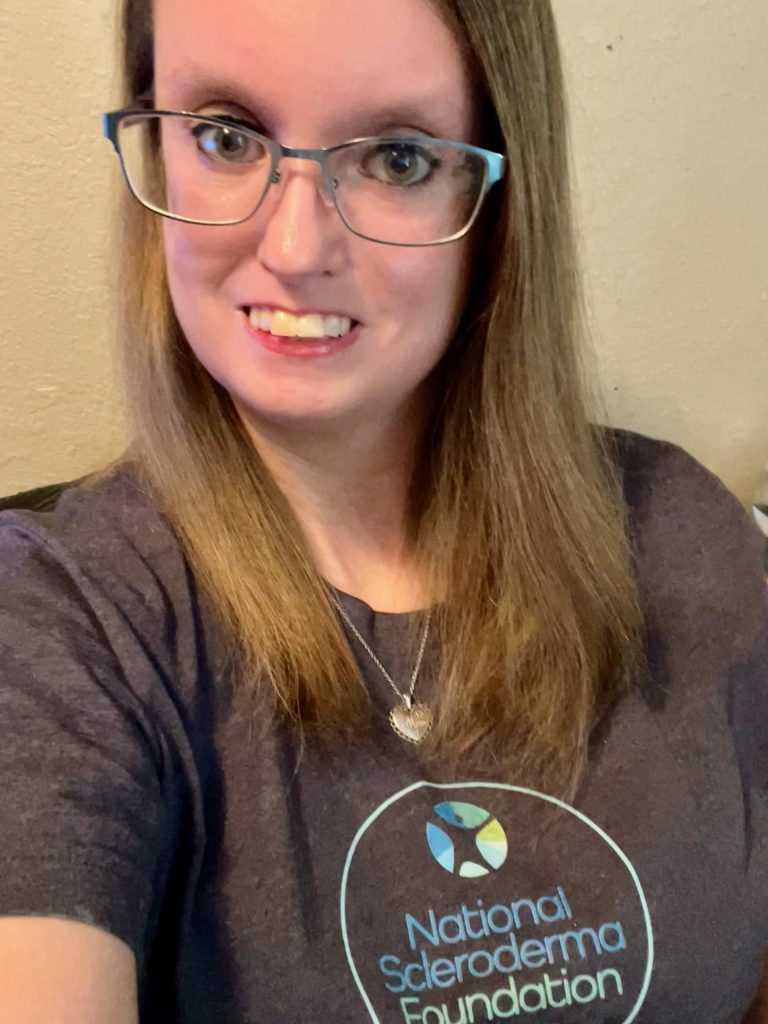
Amanda Hunnell
A Woman’s Strength in the Face of Scleroderma
“My name is Amanda Hunnell. I’m originally from Virginia but moved to the panhandle of Florida in 2017. I’ve been married to my biggest supporter since October 29, 2011.
I was diagnosed with diffuse systemic scleroderma in 2015 when our daughter was almost 3 years old. I started with symptoms of Raynaud’s when I was 12 years old but started having fingertip ulcers after our daughter was born.
I went to see my PCP for an upper respiratory infection the winter of 2014 and also had an ulcer at the time, and he recommended that I see a rheumatologist. I wasn’t able to get in to see one until the spring of 2015 and then ultimately received my diagnosis that summer. I was then referred to a pulmonologist and was diagnosed with interstitial lung disease. Then, a gastroenterologist diagnosed me with GERD and esophageal strictures which they dilated while under for an endoscopy.
In 2020, I started having worsening GI issues and underwent removal of my gallbladder. The night after surgery, I started having severe pain and got really sick. I was then admitted to the hospital with pancreatitis. I had ongoing issues with that for months and lost over 50 pounds.
In November 2024, I went to the ER for a UTI. I ended up being treated for sepsis, and they found pneumonia in both lungs. A few days later, I went into respiratory failure and had to be placed on a ventilator for 5 days. I’ve had ongoing GI issues (including now being diagnosed with gastroparesis), lung problems, and other health concerns since then including losing over 50 pounds again. I have an appointment scheduled at the Mayo Clinic in Jacksonville, FL in July to hopefully get some answers and better help there.
One of the biggest lessons I’ve learned or piece of advice that I’d give is to not worry so much about what other people think. This is your journey, and there is a lot about this disease that others don’t see or understand. I wasted a lot of time and energy worrying about what others thought like that I was exaggerating or wasn’t really that sick, so for a long time I tried to just stay strong and ignore a lot of my suffering, trying to ignore that I had anything wrong.
I am still learning to prioritize myself, focus on my health and what I need, and how to advocate for myself, but I am so very thankful for those that have supported me through all of this and for the scleroderma community!”
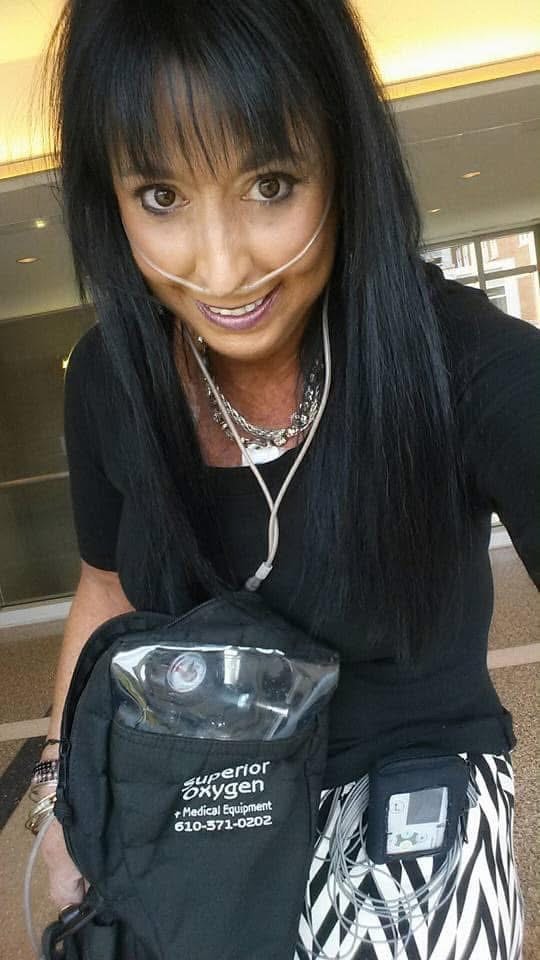
Susan Moyer
A Daughter’s Heartfelt Tribute to Her Mom’s Strength in Scleroderma
“My Mom, Susan Moyer, began experiencing symptoms shortly after I was born; followed by the dreaded diagnosis. The thing about autoimmune/chronic illnesses, is that there are often so many misconceptions.
For a majority of my childhood, my mom didn’t “look” sick, but on the inside, it was an entirely different story – a long string of confusing and challenging symptoms, fighting silent battles, the constant worry of “what’s next?” All while balancing motherhood, a full-time job, and trying to live a “normal” life. Because in the face of someone with a chronic illness, you just want to be like everyone else. To be happy and enjoy life. To not be overcome or overwhelmed with symptoms. To focus on the beauty of living. To remain positive and hopeful.
To some, it may seem like these individuals are consumed with their diagnosis. Just understand that one cannot escape their own failing bodies. They can’t always shut down their minds and block out the pain and suffering. The symptoms can’t be stopped. Most of these individuals have multiple doctors and hopes and dreams of a cure. I remember coming home from school in 9th grade and my mom asking to have a family meeting. This was when my mom shared with my sister and me that this disease was really going to start taking a toll on her body and one day kill her.
From that day on, I became my mom’s biggest cheerleader and supporter, because she had always been mine. It takes a village. The support system that rallied behind my mom over the years meant everything and was not lost on her. From friends and family, to coworkers, the tight knit swimming community, Dr. David George (Reading, PA) and from her team of specialist at John Hopkins University Hospital. I watched my mom fight her battle until November 3, 2017. I was 23 years old.
Every day she woke up and played the heck out of the cards that she was dealt (usually with a smile, corny jokes, and lots of jewelry lol). Putting her best foot forward, exuding such strength, compassion, and grace. Scleroderma was never going to strip her of that. My mom was never going to let this disease define her; she was so much more than her scleroderma diagnosis.
My mom was a 1982 graduate of Governor Mifflin High School and graduated from Penn State University in 1986, with a bachelor’s degree in administration of justice. She worked as a Senior Compliance Officer, with the County of Berks, for nearly 30 years before retiring in 2015. She was proud to be a four-year member of the women’s swim team at Penn State University. After college, she continued with her love of the sport, serving the local swimming community both as a PIAA official and as an officer of the Berks County Swimming Association. In 2016, she was inducted into the Berks County Aquatic Hall of Fame.
My mom was a truly remarkable woman: generous, kind, compassionate, loving and deeply loved. Her acts of kindness and generosity will long be remembered, including her willingness, after her death, to assist with valuable research through the Legacy Gift Program at Johns Hopkins University Hospital. Her participation in the Legacy Gift Program will enable research into numerous diseases, including scleroderma. My mom, my hero, my biggest role model, my everything.”
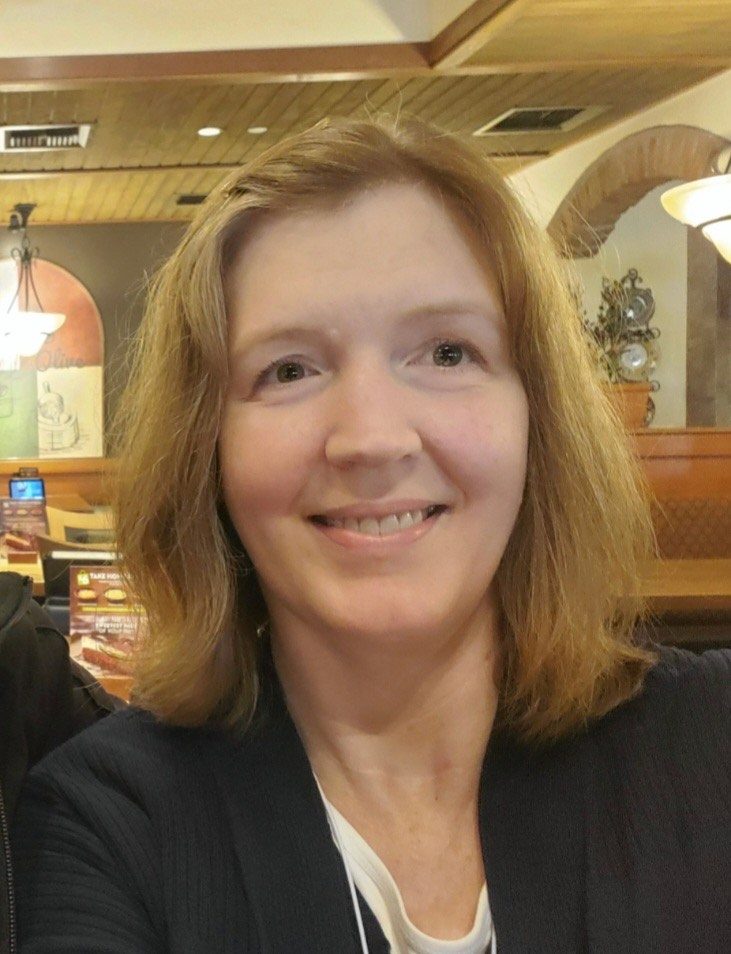
Kristen Rockwood
One Woman’s Long Road to a Scleroderma Diagnosis
“I’m a wife and mother from Idaho. I’ve had Raynaud’s and puffy, red hands,for as long as I can remember. However, my journey to scleroderma diagnosis didn’t actually start until early 2020. Symptoms that led to testing included severe bilateral hand and foot pain. I had also dealt with fatigue, GERD and other GI symptoms, as well as just feeling generally unwell for quite some time. I also developed carpal tunnel syndrome and had to have bilateral carpal tunnel release. It took 3 years and two different rheumatologists to get to a diagnosis.
I was so thankful to finally know what the problem was since I had felt so poorly for so long. I was started on medication right away to help slow progression and get some relief of my symptoms. I know medication is the right option for me. Though I still deal with frequent pain and stiffness, it is so much better than when I started this journey.
Three things I have learned on my scleroderma journey are:
1. It’s okay to be picky when choosing a rheumatologist. We currently drive 4 hours to see my rheumatologist. It’s so important for the rheumatologist to be a good fit; they need to listen and be willing to answer questions. They need to be very educated about scleroderma and have actual experience treating scleroderma patients.
2. Scleroderma can be really messy. It’s important to give myself grace. Selfcare is critical. Some days are really hard and can be very discouraging. That’s okay. I have a lot of really good days too, which I am very thankful for. My family is my greatest support system. They make all the difference on the good days and the bad days.
3. It’s so important to always be kind to others and remember that everyone we meet is fighting a battle that we can’t see, and we know nothing about.”
Jennifer Ramos
One Woman’s Fight for Her Life After Diagnosis
“My name is Jennifer. I was diagnosed on Aug 26, 2020, at the age of 42 with scleroderma via skin biopsy. I didn’t know what it was, and doctors advised me to see a Rheumatologist while waiting for the appointment date that was scheduled for Oct 2020, I had a cardiac effusion on September 22, 2020. I had been feeling sick but was tired of running to the E.R every 4 days.
The last time I went to an E.R. a doctor told me that they didn’t treat scleroderma. They took a chest x-ray and told me I had pneumonia. They gave me prednisone & antibiotics and sent me on my way. My husband stayed home from work to find a Rheumatologist that could see me A.S.A.P. and I was getting sick by the minute; it didn’t look good.
My husband found a doctor to see me the next day but when I woke up, I couldn’t hold myself up. I couldn’t do anything unless my husband held me up or did it for me. He rushed me to the hospital because he was afraid that we wouldn’t make it to the clinic, or I was too sick for them to treat me.
At the E.R, after examination, they wanted to airlift me to another hospital as my organs were shutting down, but it was COVID time so there were no beds. A cardiac surgeon was called to perform an emergency heart surgery, which I was unaware of. I was rushed to the operating room. When I woke up, I was intubated with many wires. Doctors came into the room and informed me that I was lucky because I was on my last lifeline when my husband brought me in. My skin was hard, and I had many specialists.
That has been my experience with scleroderma. I’m the only one in my family with this disease. Since that episode I have been diagnosed with ILD, Achalasia, Esophageal Dysmotility, Dysphasia.”
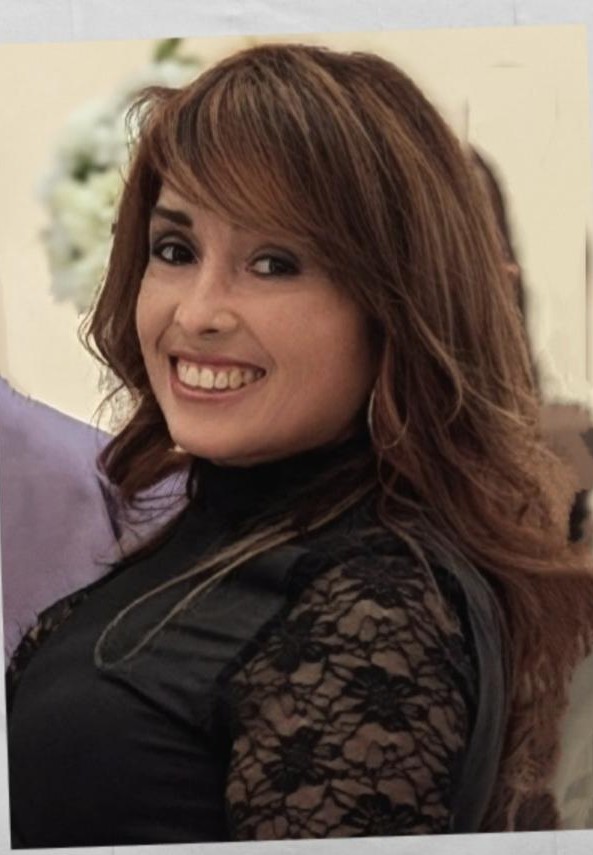
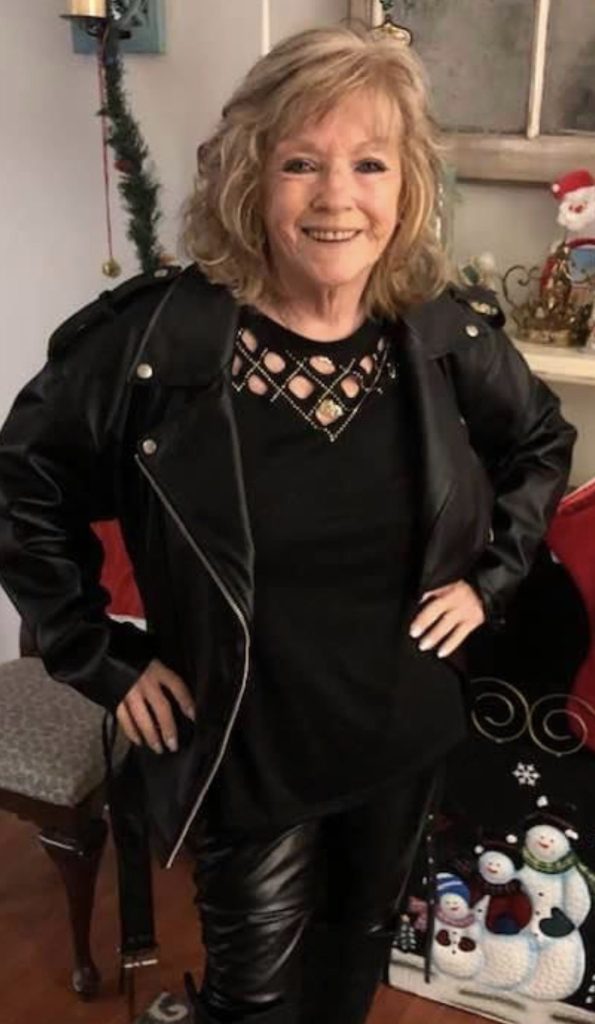
Karleen Heller
A Daughter’s Tribute to Her Mother’s Fight with Scleroderma
“My mother was not diagnosed with scleroderma until she was in her 40s. However, she started having symptoms as young as 10 years old. As a child, she burned her hand, and unlike other kids, it would not heal. She had to debride the wound over months before it would finally heal.
She was married with two kids by 23. Both pregnancies were tough. She had preeclampsia, which made her high risk, but she gave birth to two healthy kids.
In her late 20s, her jaw locked up. She went to doctor after doctor, and they assumed it was TMJ. She lost almost 100 lbs because she could not eat unless food was liquefied. This was the late ’80s, so options were limited. Eventually, her jaw stopped locking, and she was able to eat again. Now it is very clear this was a “bout” of scleroderma that was not understood.
A few years later, she went through another “bout.” She had trouble walking uphill. Her energy was zapped, and she was struggling. She was sent to a neurologist who told her she was crazy and offered her Valium. We knew she was not crazy.
In her late 30s, she met a primary care doctor who believed something was wrong and sent her to a specialist in Boston, as he believed it was autoimmune in nature.
At that time, she was finally diagnosed with mixed connective tissue disorder. She finally did not feel crazy – someone believed her. She was referred to a local rheumatologist for care.
The problem was scleroderma was still not well known, and even doctors were not well versed. She was told she had CREST syndrome. It would be a bother, but overall she would be okay.
They were wrong. Even after she lost her gallbladder to calcinosis, they still said CREST. Right after her 50th birthday, my mom’s toe turned black. She went to doctors again. A very prominent vascular surgeon in New York told her this was just her scleroderma and didn’t even do the Doppler test. After a year of pain and various experimental treatments, someone finally did the Doppler, and she had a 95% blockage in her femoral artery. They stented it and told us all would be fine.
However, scleroderma doesn’t work like that. Three weeks later, her foot died from blood clots, and she lost her leg.
It was determined that every doctor she saw, including her rheumatologist, just did not understand scleroderma.
A few years later, she moved to Florida and found a more knowledgeable rheumatologist who understood her disease. He told her she was misdiagnosed and this was not CREST. She had scleroderma. The years of misdiagnosis, however, took their toll.
Eight years ago, my mother was diagnosed with PAH. That is the worst-case scenario for anyone – but especially someone with scleroderma. She had a heart doctor who was supposed to be the best in Tampa. During COVID, she started to struggle. She was on oxygen 24 hours a day. She was on 20-plus medications. She had to have a TAVR placed in her heart.
All through it, she was a great mom and grandma. She helped me raise my daughter and was always the life of the party.
In late 2022, she got mild COVID. She recovered, but her breathing didn’t. Her doctors gave up, as they didn’t know what to do for her. She found a new pulmonologist who wanted to try. She had a port put in to try a new PAH med. While in the hospital, she had a heart attack. Every doctor was so worried about her PAH and the right side of her heart, they never checked the left. She had a 99% blockage. She survived with a stent. We were grateful.
She was sent home a day later. She was hopeful, but the next day she passed very suddenly. She felt no pain, and likely it was a blood clot. Likely, the stent failed, as scleroderma does not always respond normally.
At 66 years old, my mom died. The reason I am sending this is to remember my amazing mom. She was the toughest woman I have ever met. She never gave up. Through all of this, she worked – sometimes two jobs. She was mad when she had to go on disability after her amputation at 51. She was always there. She was strong, she was amazing, and I hope to be half the woman she was.
She was not heard. She was passed along when doctors got fed up with the uniqueness and unpredictability of her disease. The moral is to be your own advocate. Fight. Don’t take ‘no’ or ‘you’re crazy’ as an answer.”
Ricky Drake
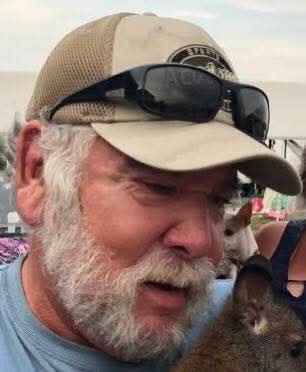
A Wife’s Tribute to Her Husband’s Fight with Scleroderma
“In 2019, my husband was diagnosed with CREST syndrome. He had gone to the doctor thinking he had gotten very lazy because he was tired all the time and out of breath. His primary did some bloodwork. The office called on a Friday afternoon to tell us he had CREST. Of course, I got on the internet. That was a big mistake. I should have waited until Monday and called the doctor. Had they not called, I still would have found out because it was on his online chart.
He was set up with a pulmonologist, a rheumatologist, a cardiologist, a gastroenterologist and an ophthalmologist. We wanted all of the doctors on board and aware of his condition.
It was rough at first. All of the appointments, drugs, side effects but also dealing with insurance and pharmacies. I felt like I was fighting a rip tide. I kept trying to stay above water, but things kept pulling me under. With everything I was going through, it was nothing compared to what he was going through. He never really worried because he was saved and knew where he was going. In the past, it would have eaten him alive. He would have died from stress. But he handled it very well.
He was in and out of the hospital while they were trying to get him on the right meds. At one point he was taking over 50 pills a day. Because this whole process was an ever moving target, I wrote everything down. Who I talked to, the date and time and what they said. Everything was so new I could hardly keep up.
Fortunately he had some great doctors that allowed me to do audio recordings of the visits. That way, after the visit and we couldn’t remember everything, remembered different things or didn’t understand after we left. We could go back to the recordings and listen a second, third or even a fourth time if necessary.
He had to titrate on some meds. So, not only was I sorting all of his medicines, but sometimes it would change weekly. Often he didn’t feel the effects of the increased dosage. But, sometimes he did and it was a little tough on him. I would spend hours each week sorting his meds and checking them because the slightest mistake could put him in the hospital. And to make matters worse he was highly sensitive to sodium. Which could easily put him in the hospital.
We had to watch everything he ate. We had to make sure he got his meds on time. We were a team. We had to work together to keep him as healthy as possible. We went to every appointment together. However, he was still working. He was determined to go out on his own terms.
After about the first 2-3 years, everything had settled into a routine when we went to get a second opinion from a highly respected doctor. The pulmonologist didn’t was to make changes she suggested, so we decided, even though she was 2 hours away to make some changes. He started seeing her as his pulmonologist and cardiologist. H did really great for a number of years.
I go back and look at his retirement pictures and I can see how tired he looked. Seeing him every day, I didn’t notice it as much. The guys at work had no idea how sick he really was because he didn’t “appear” to be sick.
This past summer (2024), he started getting sick to his stomach and throwing up a lot. None of the doctors seemed too concerned over it. He was eating immodium, Emitrol and Pepto like candy. The doctors acted like that was probably the best options because none bothered to give him anything for it.
He got where he was not eating much. It got to the point that he was eating less in a week than he used to eat in a day. Again, they all seemed happy that he was losing weight.
In January of 2025, I noticed his stomach getting big and he was feeling worse. So, his primary sent him to get his first paracentesis. He had one each week and sometimes two through mid-March.
We were told in February of 2025 that he needed a liver transplant. First we went to Duke Medical Center. They would not do the liver transplant. In the meantime, our son was losing weight in order to hopefully give his dad a part of his liver. Duke turned us down. But I was not giving up. I reached out to many top clinics to try to get him in to see if we could get into one to see if they would do it.
The first one to schedule us for a visit was University of Michigan. When we got there, for a one-day visit, as part of intake, they checked his blood pressure. It was 72/35. They immediately sent him down to the critical care ER. We ended up staying almost a week. They could not get his blood pressure up for more than a few hours. The transplant team came in to visit and advised that not only did he need a liver, but also a lung. At that point, my husband was ready to fly back to North Carolina. The doctors were very concerned about his ability to make it home. But he was determined to go. I was advised to reach out to hospice as soon as we got home. I had been in touch with my husband’s primary, so they were already working on it.
We flew back into Charlotte on Wednesday. That evening, Ricky told me he wanted to go see his primary the next day. His primary is usually so booked up, it can take quite some time to get in to see him. However, I went online and unbelievably he had an opening for the very next day. We went to see the doctor at 10am on Thursday. The only question Ricky asked was how long he had left. He was told days to weeks. He very calmly said ok. He was then ready to leave.
When we got home and folks found out, there was a constant line of people wanting to come see him. Although he was exhausted, he wouldn’t want us to turn people away. He loved everyone. And he wanted to see them. He wanted to say his goodbyes.
He passed way on Monday March 17, 2025 in our bed. I was laying beside him. I told him I loved him, kissed him and he took his last breath. He was a son, loving husband, father, grandfather, boss, co-worker, teammate, cousin, uncle, friend and so many other roles in people’s life. But, he absolutely loved being Santa. That was his passion. I stood by his side as Mrs Claus for about 15 years. In 2024, he was not feeling well enough to be Santa, so our son took on the role. It was heartbreaking for him. I miss him with all my heart. But, he was a real trooper through his whole time with scleroderma.
There is so much more to his story. You can’t sum up 6 years in a few paragraphs. But to say that most people didn’t realize how sick he was, tells you a little about him and a lot about scleroderma. It’s almost like scleroderma is a silent killer to those around you. They have no idea what you are going through. You suffer in silence, sleep when you can, stay bundled up because of the Raynaud’s. You get sick from the medicines. Today it may be your heart, tomorrow your lungs, then your kidneys. But the final blow to his body was non-alcoholic cirrhosis of the liver.”
Erika Ibañez Ramos
One Woman’s Story of Survival, Strength, and Scleroderma
“Mi nombre es Erika, tengo 46 años y cumplo 47 el 2 de diciembre. Como para no creerlo porque le escape a la muerte varias veces.
Mi historia comienza cuando tenia 11 años y empecé a tener dolores en las rodillas y luego mis manos empezaron a estar muy frías y luego empezaron a cambiar de color, yo bromeaba y les decía que había muerto y la gente se asustaba. Mis padres me llevaron a diferentes médicos para saber que me pasaba porque luego a la edad de 13 años, mis dedos empezaron a salir les heridas que tardaban en sanar y los médicos decían que estaba pasando por un proceso de niña a adolescente y solo me daban vitaminas. Justo para mi cumpleaños, mis 14 años, me torcí el tobillo y mi pie se hincho y me sacaron rayos-x pero no tenía ninguna lesión y no entendían por qué estaba así y me internaron para hacerme más estudios. Les dijeron a mis padres que tenía Artritis Reumatoidea Juvenil, pero ahora sé que siempre tuve la esclerosis sistémica.
Era el año1992 cuando todo comenzó, en ese tiempo poco o casi nada se sabían de las enfermedades autoinmunes, la reumatología en mi país era tomada en cuenta en sólo un capítulo dentro de la medicina interna. Años después se consideró como una materia y especialidad en si misma.
En ese entonces se decía que sólo las personas mayores enfermaban con reumatismo, y por lo tanto mi padre no creía el diagnóstico que me dieron y busco otra opinión, lamentablemente fuimos a dar con un doctor que nos dijo que tenía el medicamento milagroso que daba muy buenos resultados. Nosotros que no sabíamos nada de nada en ese tiempo hicimos todo lo que dijo ese medico (antes el conocimiento lo tenían sólo los especialistas, no como ahora que a un click podemos averiguar). Ese doctor me dio inyectables de alta dosis, que me colocaban CADA 72 HORAS, al inicio estábamos felices porque como en un acto de magia, todo lo malo pasó, realmente era un milagro. Mis manos ya no tenían heridas, ya no se ponían azules, moradas como de cadáver y la hinchazón también desapareció como milagro. Ya estaba en la tercera semana y de repente me puse muy mal. Mi rostro se hincho como pez globo, con hirsutismo en la cara, fuimos al médico y nos dijo que tenía paperas y me receto antibióticos en inyectable, cuando me pusieron el primer antibiótico, mi cuerpo ya no dio más y me desmaye. Mi papá llamó al médico asustado y él dijo que pasaría, al no ser asi, mi papá lo fue a buscar, pero no lo pudo encontrar ya que escapó y nadie supo más de él.
Recuerdo que mi papá me llevo a otror médico en su desesperación, y cuando mi papa le contó lo que pasó, ese doctor nos saco a patadas de su consultorio diciendo a mi papá y a mí que me habían condenado con esos medicamentos, salimos de ahí sin saber a dónde ir. Mi mamá decidió llevarme al seguro donde los doctores me vieron como si estuviera critica, todos se movieron y dijeron que debía internarme de emergencia que las inyecciones que me pusieron eran CORTICOIDES que cada ampolla servía para un efecto mínimo de 4 meses y que tenía una sobredosis que podía ser fatal. Ahora se el daño que me hizo ese médico al mandarme poner tanto corticoide.
Cuando pasó el efecto de la medicina, ahí comenzó mi cruz, a mis 14 años. Me dolía todo el cuerpo no toleraba ni el roce de la sábana, cada movimiento en mi cuerpo era una tortura, mis manos se torcieron de golpe. Mi cara llena de pelos y granos. Y recuerdo el dolor que veía en el rostro de mis padres y mi hermano, quien tenia 12 años para entonces.
Luego mi cuerpo fue experimentando varios cambios a medida que pasaba el tiempo. Cambie de rostro mi mandíbula se fue para atrás, mi apertura bucal era mínima como la de un dedo, mi piel cambio de color y cada vez más estirada, mis dedos no tenían líneas parecían salchichas, no tenía apetito para nada, y no podía hacer pasar la comida, la primera vez que la comida se trancó en mi esófago pensé que iba a morir, porque se quedó ahí clavado un pedazo de carne que no pasaba y no pasaba ni la saliva, fui a una asistencia médica y nadie me entendía lo que me pasaba, porque respiraba y solo botaba saliva. Mi mamá y mi papá estaban más asustados que yo, y al verlos a ellos asi, yo siempre trate de verme calmada y tranquila, no se de donde saque calma ese primer día de muchos sustos que más adelante tendría.
Lo de la saliba es una de varias paradojas en mi vida, ya que pase un tiempo que boté mucha saliva debido a la gastritis medicamentosa, y de producir mucha saliva pase a no producir casi nada de saliva y me atoraba cada rato a causa de eso, sobre todo en cambios de clima o mucho esfuerzo físico. Mi rostro y mi cuerpo sufrieron cambios, parecía la contemporánea de todas las personas mayores con las que me interne toda mi juventud. Además que perdí fuerza en lo músculos, me volví como un bebé al que tenían que ayudar para todo: levantarse, acostarse, subir y bajar gradas, vestirse, peinarse. Mi papá me llevaba al colegio y mi mamá me recogía del colegio. Mi vida social eran las personas internadas con las que compartía sala. Tuve que madurar a temprana edad porque vi muchas cosas en el hospital y la muerte fue una de las cosas que marcó mi vida. En el hospital aprendí mucho sobre la vida y la muerte. Sobre las enfermedades que hay y lo difícil que era no sólo para mi sino también para otros. Pero nunca había alguien de mi edad o como yo. En ese entonces los niños y jóvenes no enfermaban con lo que me diagnosticaron. Ni siquiera había alguien como yo con quien compartir lo que me pasaba.
Ahora se que todo lo que me pasó tenia un nombre y que mi médico desde un principio pensó en la esclerodermia y me hizo una biopsia que primero dio negativo. Unos años después me hicieron otra biopsia porque mi piel a gritos decía que lo que tenía era esclerodermia, esta vez la biopsia dio positivo y mi doctor me bautizo con Enfermedad Mixta de tejido Conectivo.
Nadie sabia que era eso, aun suena raro. El único que sabia era mi reumatólogo y nunca dijo a nadie que era eso. Hasta la ultima vez que nos vimos (Hoy el esta retirado de la medicina) nunca hablamos de mi enfermedad. Cuando yo les decía a otros médicos lo que tenia, es decir mi diagnostico, enfermedad mixta de tejido conectivo, ellos me miraban con cara de – Oh! Mi Dios que diablos es eso, tenían esa cara de no saber que estaba diciendo, asi que como era una enfermedad mixta yo les decía tengo esclerodermia y artritis juvenil. Y solo escuchaban la ultima parte y solo anotaban artritis. Hasta el dia de hoy hay unos doctores que no saben que es la esclerodermia y en que consiste la esclerosis sistémica. Algunos lo habían liedo pero como no habían casos como el mío pues no era de su importancia o interés.
El Dr. Quiroga fue mi reumatólogo, era una persona muy apática en ese entonces, formado en la escuela antigua, donde hay un muro como el de Berlín, entre médico-paciente. Donde no se cruza la línea. Él nunca le dijo a mi mamá, a mi papá o a mí que me pasaba. Sólo una vez que me puse muy mal le dijo a mis padres que se preparen porque mi hora estaba cerca y les dijo que no se podía hacer nada más. Y lo peor es que no les dijo a sus estudiantes, residentes, enfermeras. El era el único que sabia que me pasaba.
Sufri mucho maltrato en mis estadías en el hospital, por ejemplo: el cambio de color de mi piel en ciertas partes, me decían que era cochina, una persona sucia que no se lava o baña y que por eso estaba así. Como no podía comer bien me trataban como las chicas anoréxicas y me amenazaban con entubarme y obligarme a comer por el tubo. Como no podía movilizarme y mi mamá antes de irse del hospital me ayudaba a cambiarme a levantarme y me decían que era una floja y niña mimada que hacia sufrir a su mamá. Me hicieron vivir malos momentos porque me hacían sentir mal, me hacían sentir como si fuera culpable de todo lo que me pasaba.
Fui a otro médico pero que era solo medico familiar (Dr. Guzman) que recomendaron a mi mamá y nos dijeron que cobraba no muy caro y era cerca de mi colegio y un laboratorio clínico para hacerme mis estudios. Este doctor era más empático conmigo y mis padres y estuve un tiempo como su paciente. Él fue quien me inicio con la prednisona y omeprazol. Ambos medicamentos al día de hoy los sigo tomando a diario. El Dr. Guzman, me dijo que la corticoide fue lo que me enfermó y que sólo eso podía mejorarme de todo lo que me pasaba. Y fue así, desde que tome la prednisona recupere mi vida, poco a poco fui mejorando. Pero cuando me dio la pericarditis el dr. Guzman dijo que debia hacerme ver con el especialista, el reumatólogo, que el solo era medico familiar y que el especialista podría cuidarme mejor. Como el reumatólogo era lo opuesto a él me costó regresar con el Dr. Quiroga, además que en ese entonces en mi ciudad solo habían tres reumatólogos, no habían más y volvi con el Dr. Quiroga con el que me quede hasta hace dos años.
Hoy en día estoy huérfana de reumatólogo porque nadie entiende porque el Dr. Quiroga me dio la corticoide, pero ellos no saben que el me acepto asi rota en pedazos y que él nunca fue el que me dio corticoide, sino que fue otro y que era el único medicamento de ese entonces que me hizo bien y que continúo dándome hasta ahora porque el mismo se dio cuenta que sólo con eso mejoraba. Los médicos no quieren escuchar esta historia, no quieren saber el porqué, solo quieren quitarme algo con lo que vivo 32 años, mi cuerpo no puede dejar la corticoide ya me hice un estudio que dice eso, no recuerdo como se llama, pero mi cuerpo dejo de producir cortisol y necesita de la corticoide. Desafortunadamente no he encontrado aun, un reumatólogo que entienda que no estoy tomando este medicamento hace 2 semanas o dos meses sino 32 AÑOS y que quitarlo no es como ellos dicen, no tomas y ya. Como si por un milagro pudiera hacer eso. Entiendo los efectos secundarios pero gracias a la corticoide he podido continuar con mi vida no como quisiera pero puedo aun hacer las cosas por mi misma y si hay algo que no puedo pido ayuda.
Extraño a mi medico porque el me conocía como la palma de su mano, y mientras él fue mi médico, si me ponía mal inmediatamente el me internaba o iba a su consultorio particular y me daba el tratamiento que me ayudaba. Me decía que doble la dosis de la prednisona o si era muy serio él me pinchaba la corticoide y pronto mejoraba y seguía adelante. No sé porque la corticoide es el único medicamento que me ayuda a sanar lo que tenga en ese momento, claro y otras medicinas. He enfermado seriamente con Tuberculosis Pulmonar, Pericarditis, una gastritis que me dejo muy flaca y desde entonces sin apetito es decir me dio gastroparesis, cuando a inicio el Dr. Quiroga quiso quitarme la corticoide y tuve un reacción adversa, perdí el conocimiento por tres días me cuenta mi mamá y me dio paranoia medicamentosa. Tuve siete operaciones de corrección de los dedos de los pies. Y mi última operación fue hace cinco años de endometriosis y poliquistosis.
Gracias a Dios, mi enfermedad, hace unos pocos años atrás, en un determinado momento del camino se detuvo, no avanzo más y solo me queda lidiar con las secuelas que me dejó. A veces tengo mis bajones. Puedo pasar de estar bien, y luego enfermar de la nada en cuestión de segundos. Por ejemplo, estaba una vez hablando con mi mamá camino a casa y estaba bien y en un segundo pase de estar bien a muy mal, no veía la hora de llegar a casa. Y cuando llegué mi mama no entendía que me había pasado ya que hace poco había hablado conmigo y estaba bien y en cuestión de minutos llegue completamente descompuesta. Esta enfermedad es asi, estas bien y de la nada en cuestión de minutos enfermas. O estas muy mal y con un inyectable de corticoide me sano como si nada.
La parte social y emocional es trágica para mí. Al enfermarme tan joven las muchachas de mi colegio no me entendían y me hicieron a un lado, nadie me apoyo. Los parientes igual se olvidaron de mí. Cada quien en sus vidas y lejos de mí. Si les preguntaran que me pasa o que tengo, les dirán que soy una enferma que está ahí sin oficio ni beneficio, como una carga para mi madre. Pero no saben nada de mí, nunca me preguntaron que tengo o por lo menos tomaron mi mano cuando más lo necesitaba. A ellos no les importa lo que me pasa.
Aun me siento incomprendida por los médicos y la sociedad por eso es importante hacer conocer a la sociedad y personal medico que estas enfermedades invisibles son reales para los que la padecen, que no es algo que está en nuestra cabeza o que somos flojos, o que buscamos atención.
Aun no he conocido en persona a alguien como yo y seria hermoso poder ver y abrazar a alguien como yo. Cuando apareció la tecnología y las redes sociales, encontré al grupo de apoyo INSPIRE, conocer ese grupo me ayudo bastante porque podía por fin contar a alguien, lo que me pasaba y ahí encontré ayuda en casos en los que ningún médico me decía que pasaba y ellos me orientaban y ayudaban, solo que hay muchas cosas que no hay aquí en mi país, pero fue una ayuda emocional que agradezco a Dios encontré. Habían más personas como yo allí afuera, personas que entendían como me siento, personas que no me juzgaban, personas que me ayudaban incluso sin conocerme. Personas que se tomaban su tiempo para leer lo que publicaba y me daban consejos. Y lo más importante empecé a averiguar y saber lo que tenia y que debía esperar de un médico. El conocimiento es el arma más importante para que nadie te trate y te haga menos y saber que tipo de profesional esta frente tuyo.
Agradezco mucho a Dios estos grupos de apoyo. Porque podemos estar seguras de que hay alguien que nos entiende y comprende y a veces eso es mucho en este tipo de enfermedades, sentirse comprendida y saber que le importas a alguien.”
Erika Ibañez Ramos
One Woman’s Story of Survival, Strength, and Scleroderma
“My name is Erika, I’m 46 years old, and I’ll be 47 on December 2nd. It’s hard to believe, because I’ve escaped death several times.
My story begins when I was 11 years old, and I started having pain in my knees, and then my hands started getting very cold and then they started changing color. I joked and told them I had died, and people got scared. My parents took me to different doctors to find out what was wrong with me because then, at the age of 13, my fingers started to develop wounds that took a long time to heal. The doctors said I was going through a process of becoming a child and only gave me vitamins. Right around my 14th birthday, I sprained my ankle, and my foot swelled up. They took x-rays, but I didn’t have any injuries. They couldn’t understand why I was like that, and they admitted me for further testing. My parents were told I had Juvenile Rheumatoid Arthritis, but now I know I’ve always had systemic sclerosis.
It was 1992 when it all started. At that time, little or nothing was known about autoimmune diseases. Rheumatology in my country was considered a single chapter within internal medicine. Years later, it was considered a subject and specialty in its own right.
At that time, it was said that only older people got rheumatism, and so my father didn’t believe the diagnosis I was given and sought another opinion. Unfortunately, we ended up with a doctor who told us he had a miracle drug that gave very good results. We, who knew nothing at the time, did everything the doctor said (in the past, only specialists had that knowledge, not like today, where we can find out with just a click). That doctor gave me high-dose injections, which were administered every 72 hours. At first, we were happy because, like some magic trick, everything bad had passed; it truly was a miracle.
My hands no longer had wounds, they no longer turned blue or purple like a corpses, and the swelling also disappeared miraculously. I was already in the third week and suddenly I got really sick. My face swelled like a puffer fish, with hirsutism on my face. We went to the doctor, and he told us I had mumps and prescribed me injectable antibiotics. When they gave me the first antibiotic, my body gave out and I fainted. My dad called the doctor, terrified, and he said it would pass. When it didn’t, my dad went looking for him, but he couldn’t find him because he ran away, and no one ever heard from him again.
I remember my dad taking me to another doctor in his desperation, and when my dad told him what had happened, that doctor kicked us out of his office, telling my dad and me that I had been damned with those medications. We left without knowing where to go. My mom decided to take me to the insurance company, where the doctors saw me as if I were in critical condition. They all acted and said I should be admitted to the emergency room, that the injections they gave me were corticosteroids, that each vial lasted at least four months, and that an overdose could be fatal. Now I know the damage that doctor did to me by ordering me to take so much corticosteroid.
When the medication wore off, that’s when my ordeal began, at 14 years old. My whole body ached, I couldn’t even tolerate the touch of a sheet, every movement was torture, my hands suddenly twisted, my face covered in hair and pimples. And I remember the pain I saw on the faces of my parents and my brother, who was 12 at the time.
Then my body went through several changes as time went by. My face changed, my jaw receded, my mouth opening was as small as a finger, my skin changed color and became more and more stretched, my fingers had no lines, they looked like sausages, I had no appetite for anything, and I couldn’t get food down. The first time food got stuck in my esophagus, I thought I was going to die, because a piece of meat stayed there stuck there and wouldn’t even make saliva pass. I went to see a doctor, and no one could understand what was happening to me, because I was breathing and only drooling. My mom and dad were more scared than I was, and seeing them like that, I always tried to look calm and collected. I don’t know where I got my composure that first day from the many scares I would have later on.
The saliva problem is one of several paradoxes in my life. For a time, I drooled a lot due to drug-induced gastritis. I went from producing a lot of saliva to producing almost no saliva, and I choked all the time because of it, especially during changes in the weather or during intense physical exertion. My face and body changed; I looked like a contemporary of all the older people I spent my youth with. In addition to losing muscle strength, I became like a baby who had to be helped with everything: getting up, going to bed, going up and down stairs, getting dressed, combing my hair.
My dad took me to school, and my mom picked me up from school. My social life consisted of the hospitalized people I shared the room with. I had to grow up early because I saw a lot in the hospital, and death was one of the things that shaped my life. In the hospital, I learned a lot about life and death. About the illnesses that exist and how difficult it was, not only for me but for others as well. But there was never anyone my age or like me. Back then, children and young people didn’t get the kind of illness I was diagnosed with. There wasn’t even anyone like me to share what I was going through with.
Now I know that everything that happened to me had a name, and that my doctor initially thought it was scleroderma and did a biopsy, which initially came back negative. A few years later, they did another biopsy because my skin was screaming for scleroderma. This time, the biopsy came back positive, and my doctor diagnosed me with Mixed Connective Tissue Disease.
No one knew what that was; it still sounds strange. The only one who knew was my rheumatologist, and he never told anyone what it was. Until the last time we saw each other (he’s retired from medicine today), we never spoke about my illness. When I told other doctors what I had, that is, my diagnosis: mixed connective tissue disease, they would look at me like, “Oh my God, what the hell is that?” They had that look of not knowing what I was talking about. So, since it was a mixed disease, I would tell them I have scleroderma and juvenile arthritis. And they only heard the last part and only wrote down arthritis. To this day, there are some doctors who don’t know what scleroderma is or what systemic sclerosis is. Some had read it, but since there weren’t any cases like mine, it wasn’t important or of interest to them.
Dr. Quiroga was my rheumatologist. He was a very apathetic person back then, trained in the old school, where there is a wall like the Berlin Wall between doctor and patient. Where the line is not crossed. He never told my mom, my dad, or me what was wrong with me. Only once, when I got really sick, did he tell my parents to get ready because my time was near, and he told them nothing more could be done. And the worst part is, he didn’t tell his students, residents, or nurses. He was the only one who knew what was wrong with me.
I suffered a lot of abuse during my hospital stays, for example: the change in color in certain areas of my skin. They told me I was filthy, a dirty person who doesn’t wash or bathe, and that’s why I was like that. Because I couldn’t eat well, they treated me like anorexic girls and threatened to intubate me and force me to eat through the tube. Because I couldn’t move around, my mom would help me change and get up before leaving the hospital, and they told me I was a lazy, spoiled brat who was causing her mother to suffer. They made me go through difficult times because they made me feel bad, they made me feel like I was guilty of everything that was happening to me.
I went to another doctor, but he was just a family doctor (Dr. Guzman), whom my mother recommended. They told us he charged fairly and was close to my school and a clinical laboratory where I could get my tests done. This doctor was more empathetic with my parents and me, and I spent time as his patient. He started me on prednisone and omeprazole. I still take both medications daily to this day. Dr. Guzman told me that the corticosteroid was what made me sick and that only it could help me recover from everything I was going through. And it was true. Since I started taking prednisone, I’ve gotten my life back, and little by little, I’ve been getting better. But when I got pericarditis, Dr. Guzman said I should see a specialist, a rheumatologist, that he was just a family doctor and that the specialist could take better care of me. Since the rheumatologist was the exact opposite of him, it was hard for me to return to Dr. Quiroga. Also, at that time, there were only three rheumatologists in my city; there were no others. So I returned to Dr. Quiroga, with whom I stayed until two years ago.
Today, I’m without a rheumatologist because no one understands why Dr. Quiroga gave me the corticosteroid. But they don’t know that he accepted me broken and that he was never the one who gave me the corticosteroid, but someone else, and that it was the only medication back then that helped me, and that he continued to give it to me now because he realized it was the only medication I needed to get better. Doctors don’t want to hear this story, they don’t want to know why. They just want to take away something I’ve been living on for 32 years. My body can’t stop taking the corticosteroid. I’ve already had a test done that says this. I don’t remember what it’s called, but my body stopped producing cortisol and needs the corticosteroid. Unfortunately, I haven’t found a rheumatologist yet who understands that I haven’t been taking this medication for two weeks or two months, but for 32 years, and that stopping it isn’t like they say: you just stop taking it and that’s it. As if by some miracle I could do that. I understand the side effects, but thanks to the corticosteroid, I’ve been able to continue with my treatment.
I miss my doctor because he knew me like the back of his hand. While he was my doctor, if I felt sick, he would immediately hospitalize me or I would go to his private office and get me the treatment that helped. He told me to double the dose of prednisone, or if it was very serious, he would inject me with a corticosteroid, and I would soon get better and move on. I don’t know why corticosteroids are the only medication that helps me heal whatever I have at the time, of course, along with other medications. I have been seriously ill with pulmonary tuberculosis, pericarditis, and gastritis that left me very thin, and since then, I have had no appetite – in other words, gastroparesis. When Dr. Quiroga initially tried to take me off the corticosteroid, I had an adverse reaction. I lost consciousness for three days, my mom tells me, and it gave me drug paranoia. I had seven toe correction surgeries. And my last surgery was five years ago for endometriosis and polycystic sclerosis.
Thank God, my illness, a few years ago, stopped at a certain point along the way. It’s no longer progressing, and I’m left to deal with the aftereffects. Sometimes I have my downturns. I can go from being fine to suddenly getting sick in a matter of seconds. For example, I was once talking to my mom on the way home and I was fine, and in a second I went from being fine to very sick. I couldn’t wait to get home. And when I got home, my mom didn’t understand what had happened to me because she had recently spoken to me and I was fine, and in a matter of minutes I arrived completely sick. This illness is like that: you’re fine and suddenly you’re sick in a matter of minutes. Or you’re very sick and with a corticosteroid injection I’m healed as if nothing had happened.
The social and emotional aspect is tragic for me. When I got sick so young, the girls at my school didn’t understand me and pushed me aside; no one supported me. My relatives also forgot about me. Everyone went to their own lives, far from me. If you asked them what’s wrong with me or what I have, they’d tell you I’m a sick person who’s there without a job or benefit, like a burden on my mother. But they don’t know anything about me. They never asked me what I have, or at least they held my hand when I needed it most. They don’t care about what’s happening to me.
I still feel misunderstood by doctors and society, so it’s important to let society and medical personnel know that these invisible illnesses are real for those who suffer from them, that it’s not something that’s in our heads, that we’re lazy, or that we’re just seeking care.
I haven’t met anyone like me in person yet, and it would be wonderful to be able to see and hug someone like me. When technology and social media came along, I found the INSPIRE support group. Getting to know that group helped me a lot because I could finally tell someone what was happening to me, and there I found help in cases where no doctor could tell me what was happening, and they would guide and help me. It’s just that there are many things that don’t exist here in my country, but it was an emotional support that I thank God I found. There were more people like me out there, people who understood how I felt, people who didn’t judge me, people who helped me even without knowing me. People who took their time to read what I posted and gave me advice. And most importantly, I started to find out and understand what I had and what I should expect from a doctor. Knowledge is the most important tool to ensure that no one treats you and belittles you, and to know what kind of professional is in front of you.
I am very grateful to God for these support groups. Because we can be sure that there is someone who understands and comprehends us, and sometimes that means a lot in these types of illnesses: feeling understood and knowing that someone cares about you.”