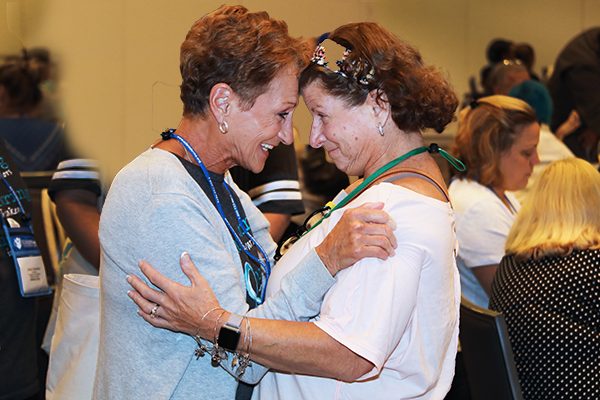
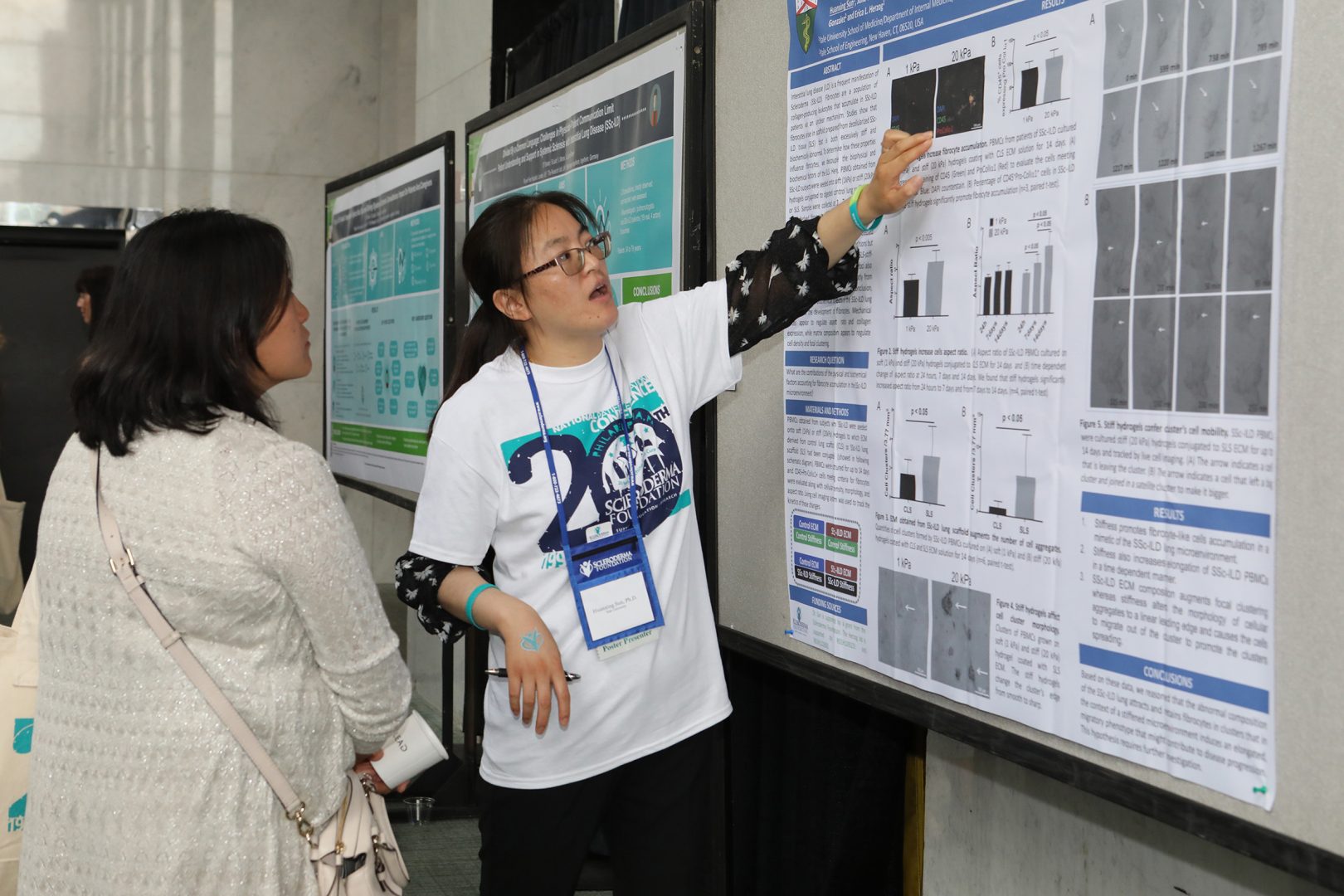

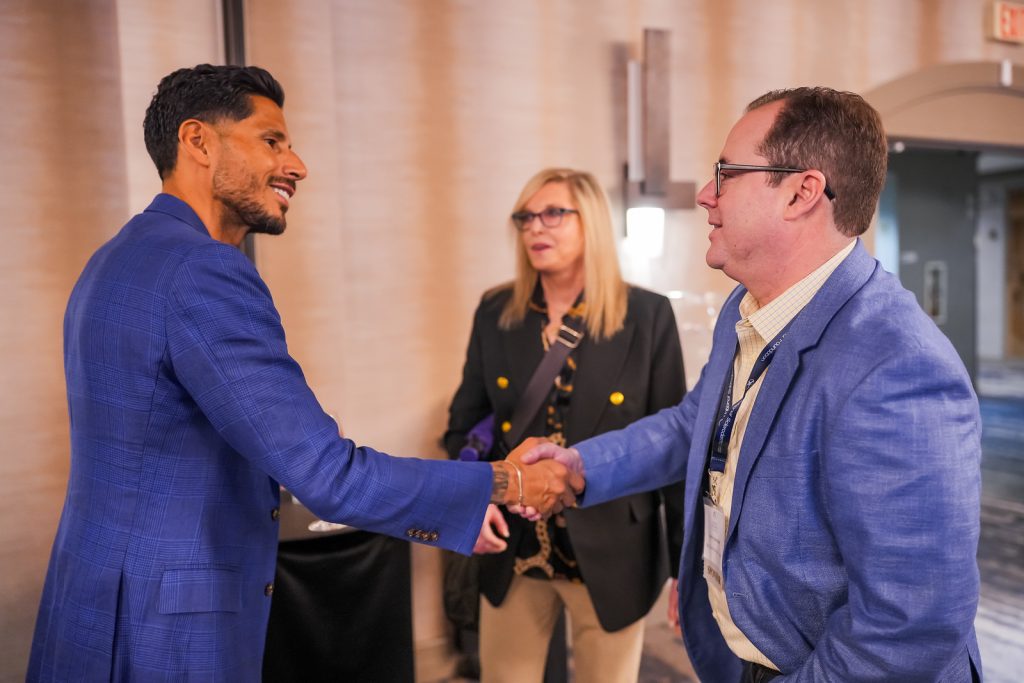
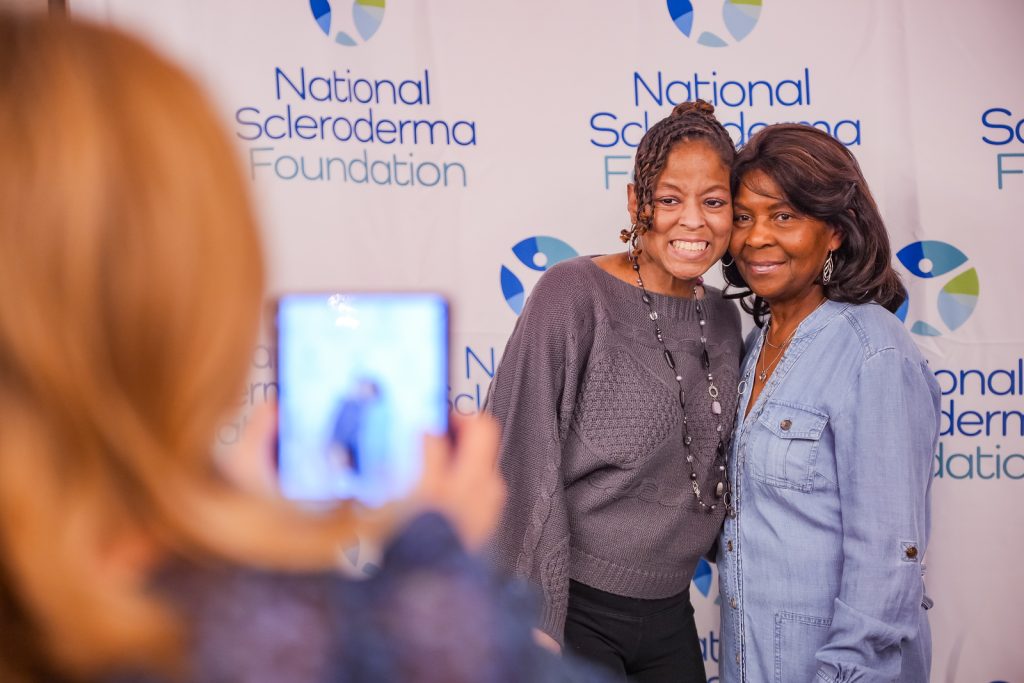
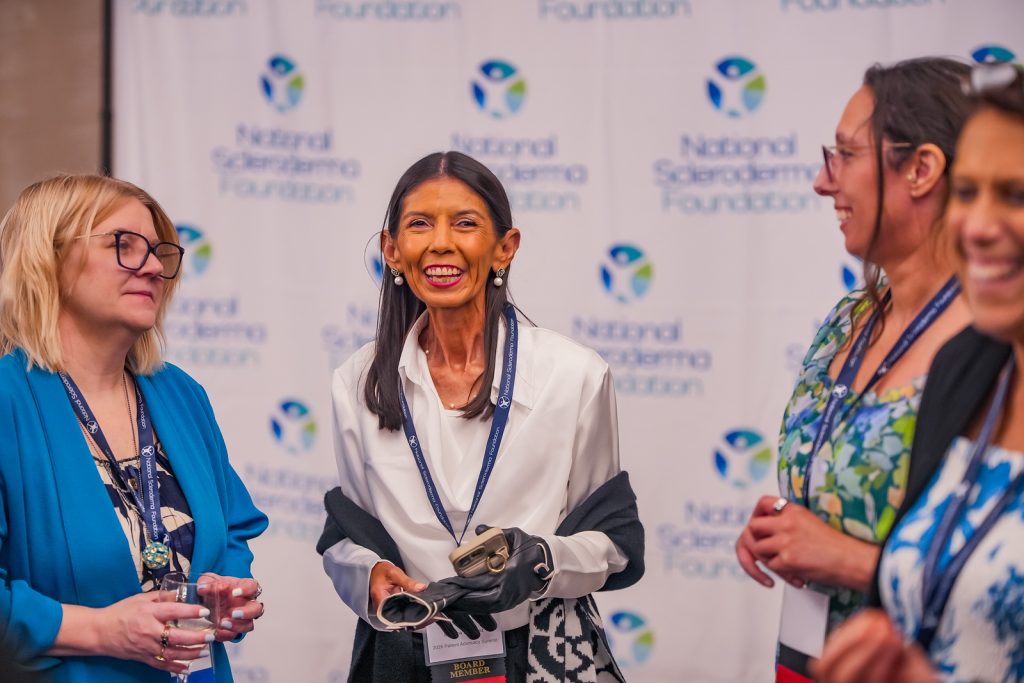
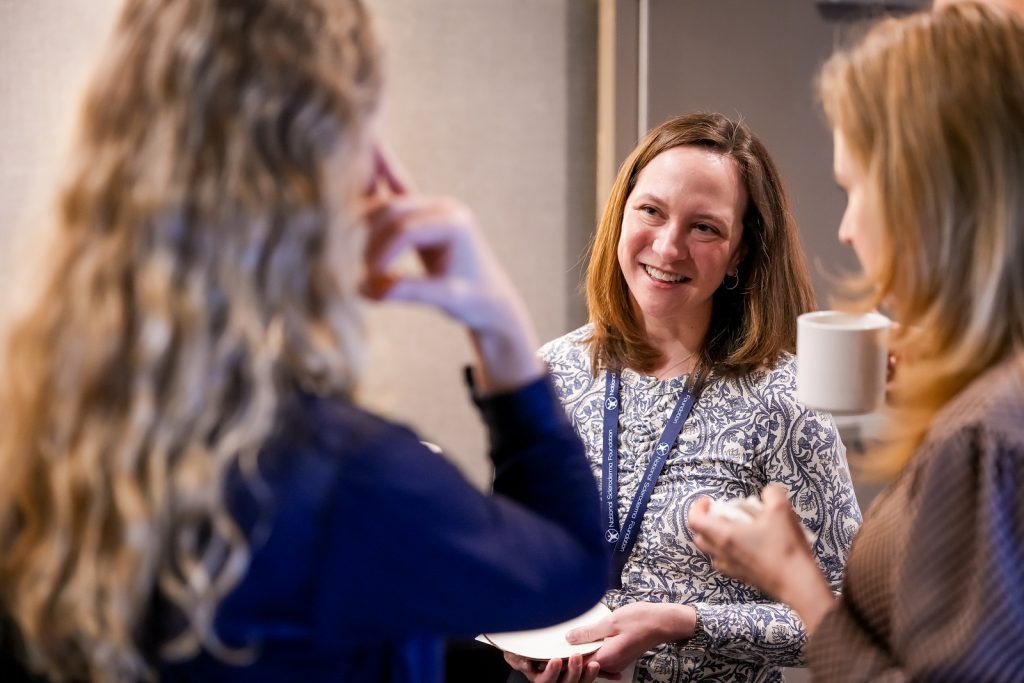
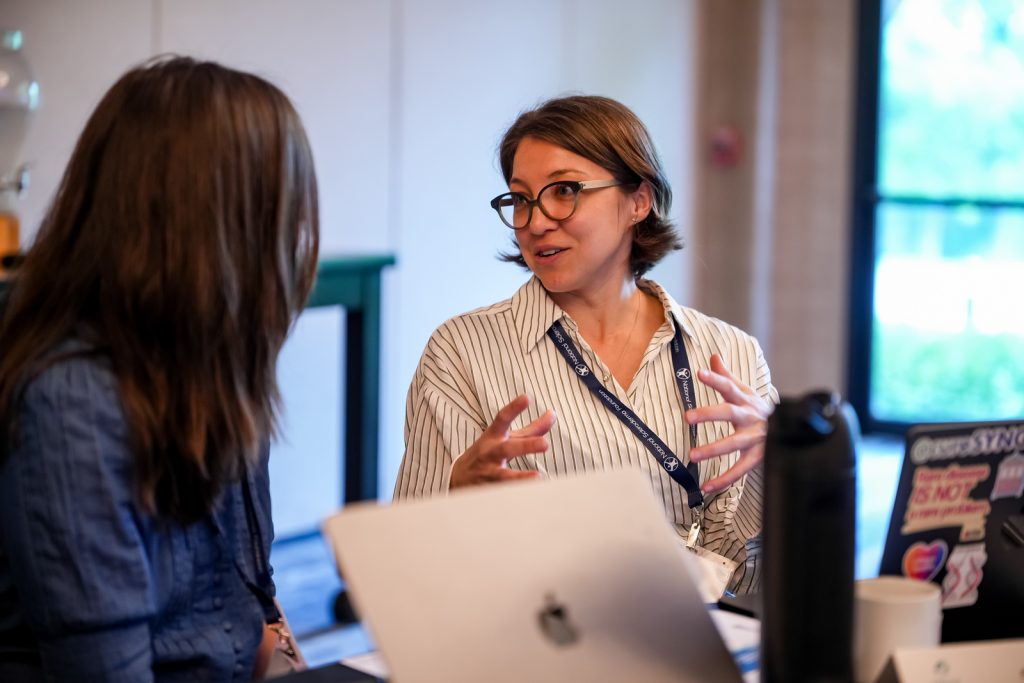
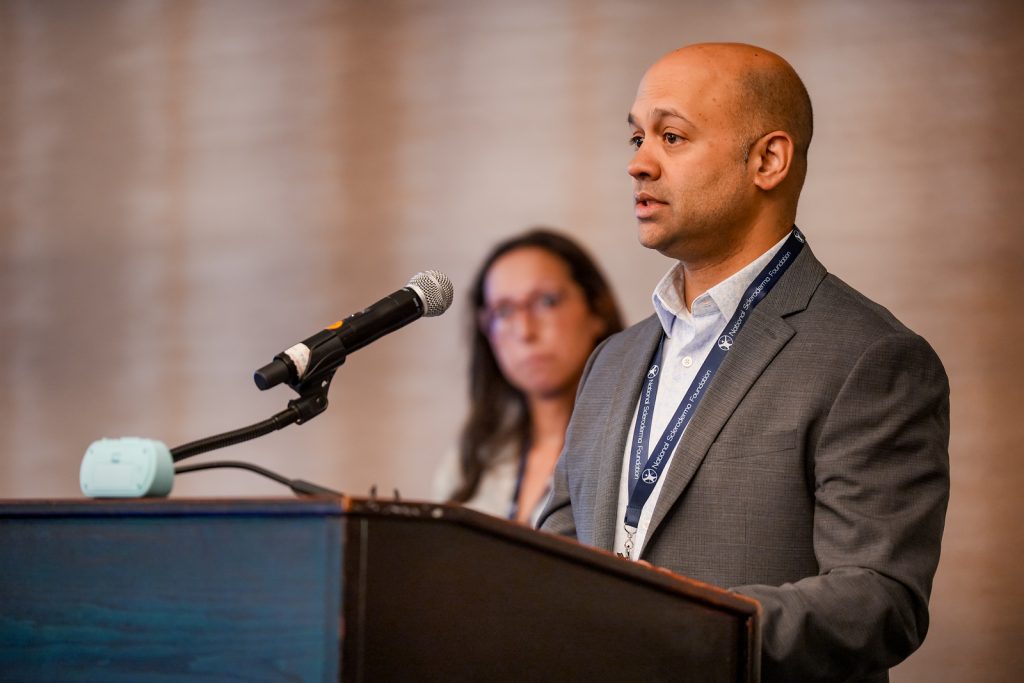
The National Scleroderma Foundation brought together stakeholders from the scleroderma community this weekend in Bethesda, including people living with scleroderma, researchers, clinicians, industry partners, and advocates. This inaugural Summit aimed to center the patient voice in research and development, in support of the Foundation’s mission.
A consistent theme throughout the summit was hope. This grows out of sustained progress and collaboration, and was paired with urgency around early diagnosis, access to expert care, and increased clinical trial participation.
Monica Ramirez gave the opening keynote, grounding the summit in real-world impact. Sharing her journey, Monica inspired and galvanized those gathered, calling for global collaboration. Her passion and purpose-driven advocacy reinforced the idea that while the disease burden is multi-system and lifelong, community and research progress are cause for hope.
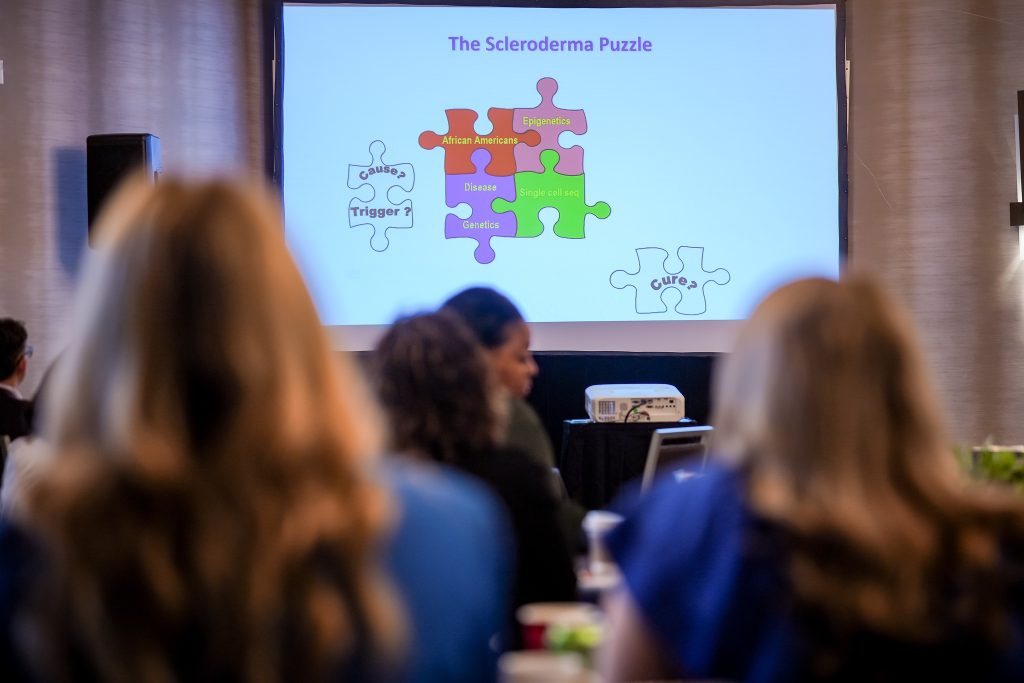
Next, Dr. Carol Feghali-Bostwick presented an update on the latest scleroderma research, noting the rapid growth in publications and global collaboration, along with a shift toward precision medicine and disease subtyping. Highlights include progress in the areas of Genetics & Epigenetics, the Role of the Microbiome, Metabolism and Fibrosis. Research is accelerating rapidly due to new technologies (AI, single-cell, multi-omics) and is elucidating many new therapeutic pathways.
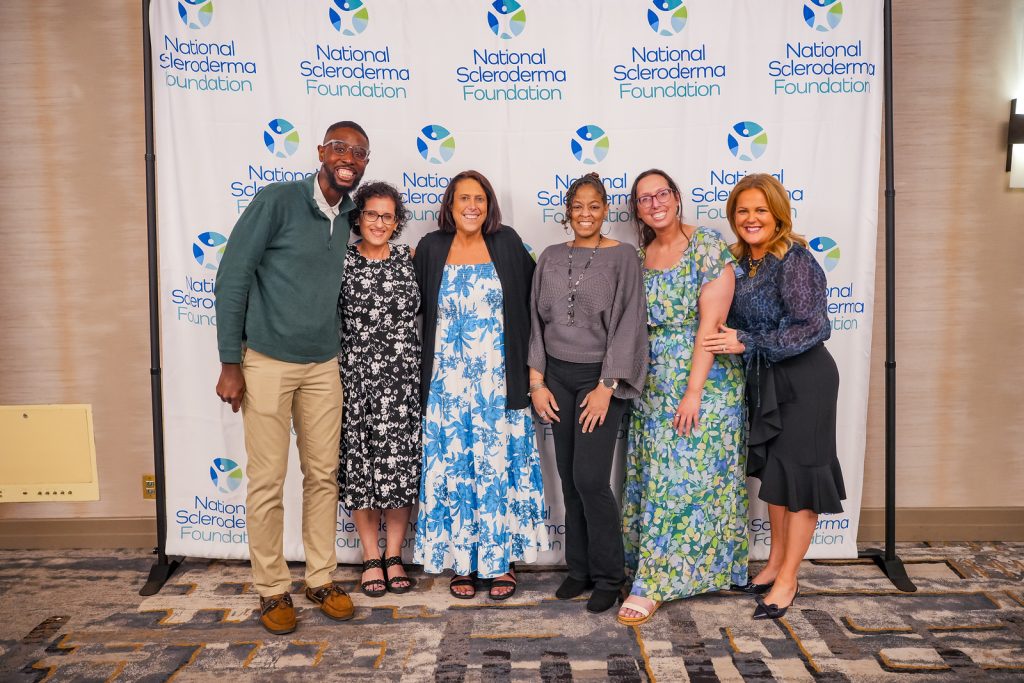
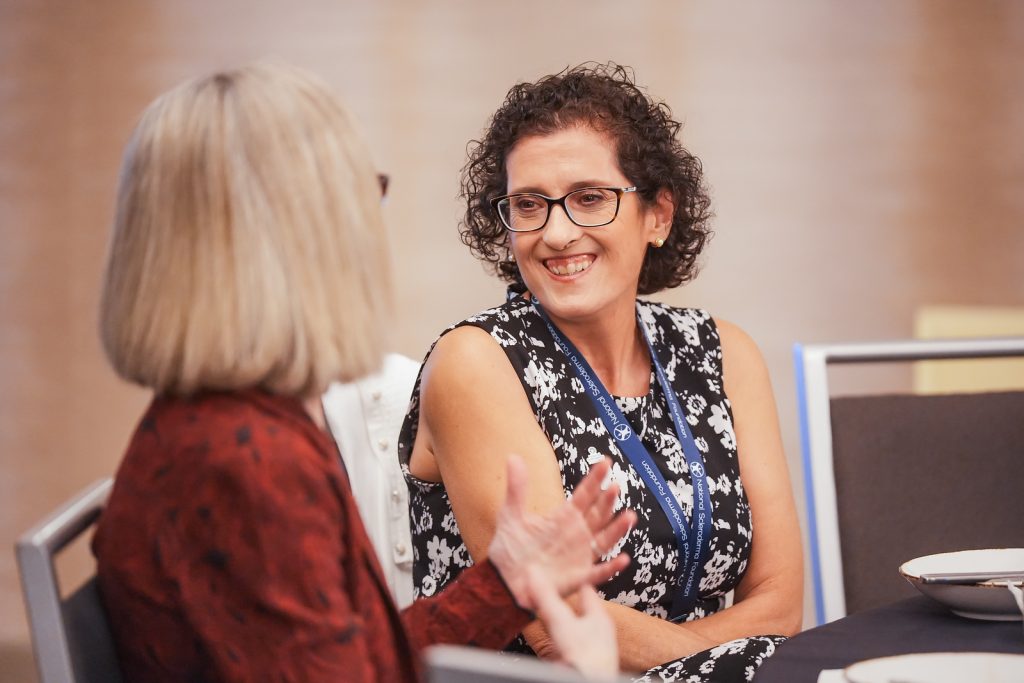


Dr. Andreea Bujor gave an update on the state of clinical care in scleroderma, focused on diagnosis, treatment, and outcomes. She stressed the importance of early diagnosis and screening, highlighting the early warning signs. These include Raynaud’s phenomenon, puffy fingers, and the presence of specific autoantibodies. Up to 80–90% of patients develop scleroderma within 5 years if these markers are present. Dr. Bujor urged clinicians to act early to prevent irreversible fibrosis and called for the expansion of screening protocols (including lung, heart, and pulmonary hypertension). Thanks to increasing use of combination therapies, immunosuppression and antifibrotics, we are seeing improved outcomes for people living with scleroderma including reduced disease progression and increased survival rates over time.
Robert Riggs and Daniel Martinez shared insights from the Foundation’s Patients as Partners program, and early data from the Patient Needs Assessment. They highlighted the shift from simply engaging patients to fully partnering with them in drug development, emphasizing the importance of integrating patient perspectives across the lifecycle of clinical research to improve outcomes, trial design, and patient experience. The Foundation’s approach focuses on three pillars: 1) Education & Training: Preparing patients to confidently engage in scientific discussions; 2) Trusted Connection. Acting as a bridge between patients and industry partners; and 3) Structured Engagement: Matching the right patients and setting clear expectations. Both Robert and Daniel encouraged companies to engage patients early and often throughout the process, in everything from trial design to endpoint selection to formulary preferences. They made it clear that patients are essential partners, not just participants. Their insights are strategic, not optional. Early, meaningful collaboration leads to better-designed trials for companies, more relevant treatments for patients, and reduced costs and inefficiencies for manufacturers and payers. Embedding patient voices throughout development leads to better science, better decisions, and better outcomes.
We were honored to have Dr. Steen provide a landscape analysis on Scleroderma Clinical Trials. In her talk, Dr. Steen noted that there are now more than to active trials in scleroderma. This includes growth in cellular therapies, targeted biologics and combination approaches. She noted that clinical trial participation remains critical to validate these experimental therapies and lead to successful agency approvals.
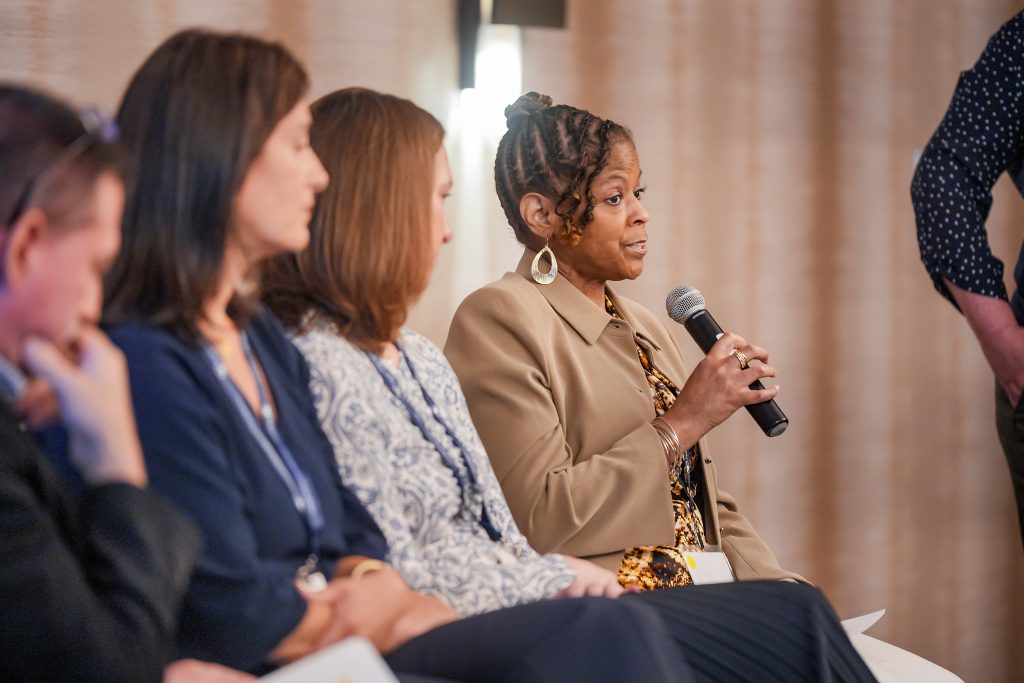
Dr. Laura Hummers led a panel discussion on the challenges and opportunities around clinical trial endpoints in scleroderma. This panel brought together patients and industry experts to examine one of the biggest barriers in scleroderma drug development: how to effectively measure treatment success. The panel emphasized that endpoint innovation is as important as drug innovation. Without better endpoints promising therapies may fail in trials, regulatory approval becomes harder , and ultimately patients can face delays in access to new treatments.



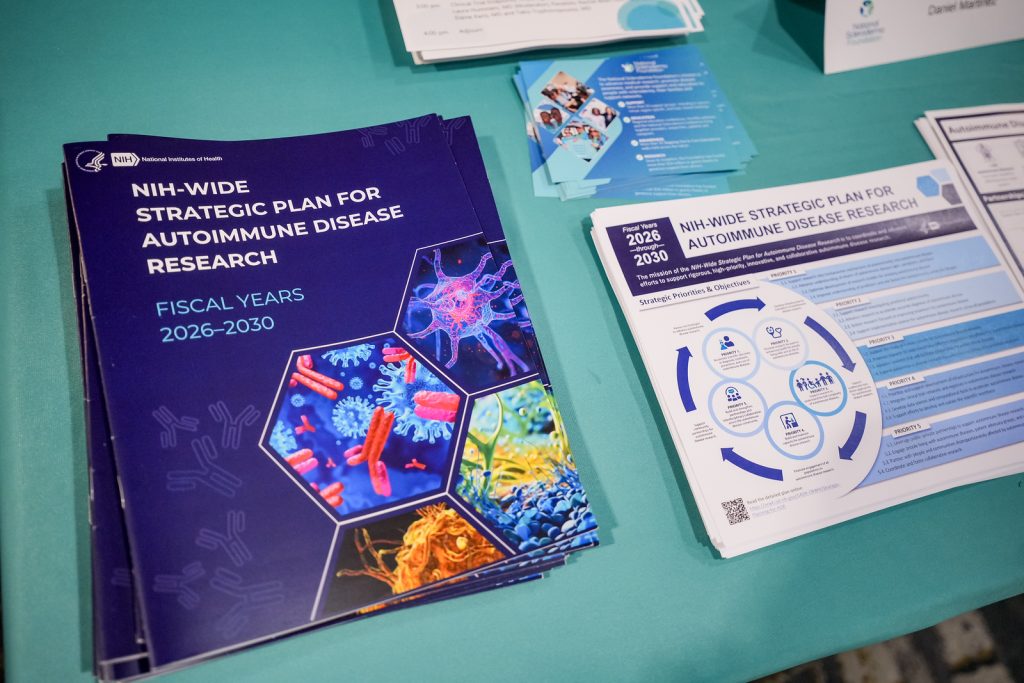

On Sunday morning, Dr. Vicki Shanmugam kicked things off with updates on autoimmune disease research, as well as opportunities and resources for those working in autoimmune disease research.
Meghan Pennini gave an update on Public-Private-Patient Partnerships facilitated by FNIH, including the Accelerating medicines Partnership Autoimmune and immune Mediated Diseases, which includes a pilot project funded by National Scleroderma Foundation, which shows great promise for aligning with current AMP AIM disease teams, and sets the stage for a scleroderma arm of the partnership.
Dr. Nadia Habal shared an update on the current regulatory landscape on behalf of FDA and highlighted resources for the rare disease community. Expedited programs for serious conditions are intended to facilitate and expedite development and review of new drugs to address unmet medical need in the treatment of a serious or life-threatening condition. These include fast track designation, breakthrough therapy designation, accelerated approval, and priority review designation. When it comes to developing new measures that will require validation to serve as clinical trial endpoints, Dr. Habal urged developers to reach out to FDA sooner rather than later to collaborate.
The pinnacle of the weekend was an interactive workshop to gain alignment around research and development priorities in Scleroderma, led by Amanda Lippincott. The clear theme that emerged from the workshop was the critical importance of collaboration. Participants consistently emphasized that meaningful progress in scleroderma research and drug development depends on strong, ongoing collaboration across all stakeholder groups—including patients, researchers, industry, and regulators. Another major takeaway was the need to center people living with scleroderma, particularly by incorporating patient input into clinical trial design and broader decision-making processes. Participants also highlighted a shared sense that everyone is aligned around a common goal, but progress is currently limited by fragmented communication, lack of centralized information-sharing, and insufficient structured planning. There is a clear need for more coordinated, transparent, and sustained engagement, including regular meetings and mechanisms to maintain momentum.