Foundation Celebrates 2026 Scleroderma Research Grant Awardees

The National Scleroderma Foundation is proud to announce the 2026 Scleroderma Research Grant Award recipients.

To date, the National Scleroderma Foundation has proudly awarded more than $35 million in scleroderma research grants. These projects received the peer‑review committee’s highest ranking for scientific design quality and the prospect of advancing the scleroderma body of knowledge.

Because grants are spread over two or three years, in any given year, the Foundation has funding commitments to more than two dozen ongoing projects. Our commitment to these projects is a driving force behind fundraising efforts such as Stepping Out to Cure Scleroderma walks.

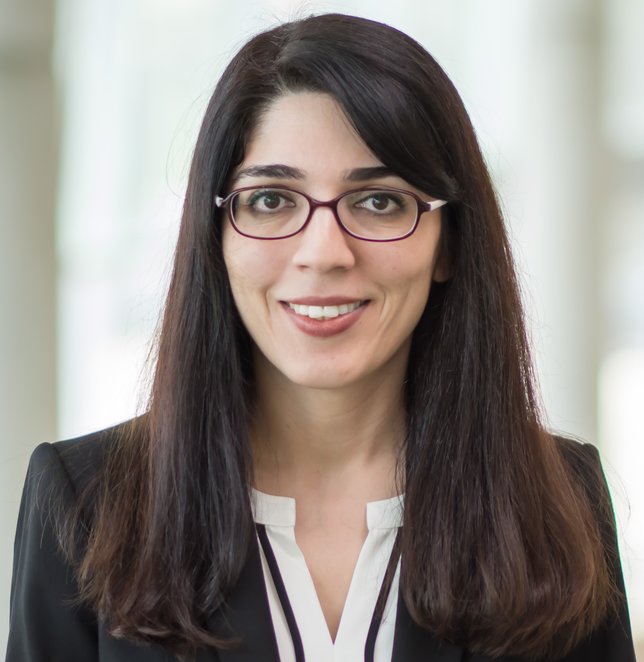
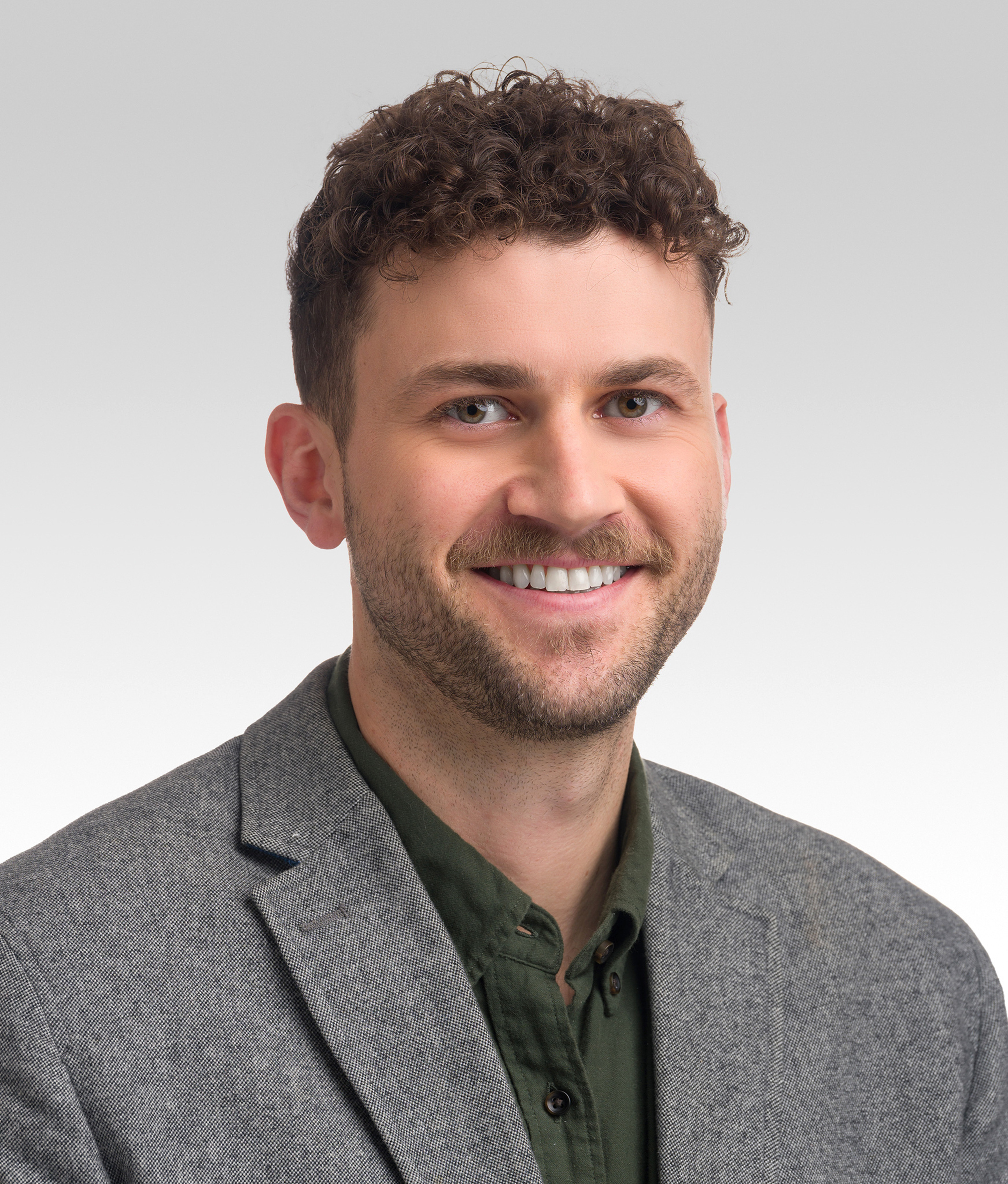
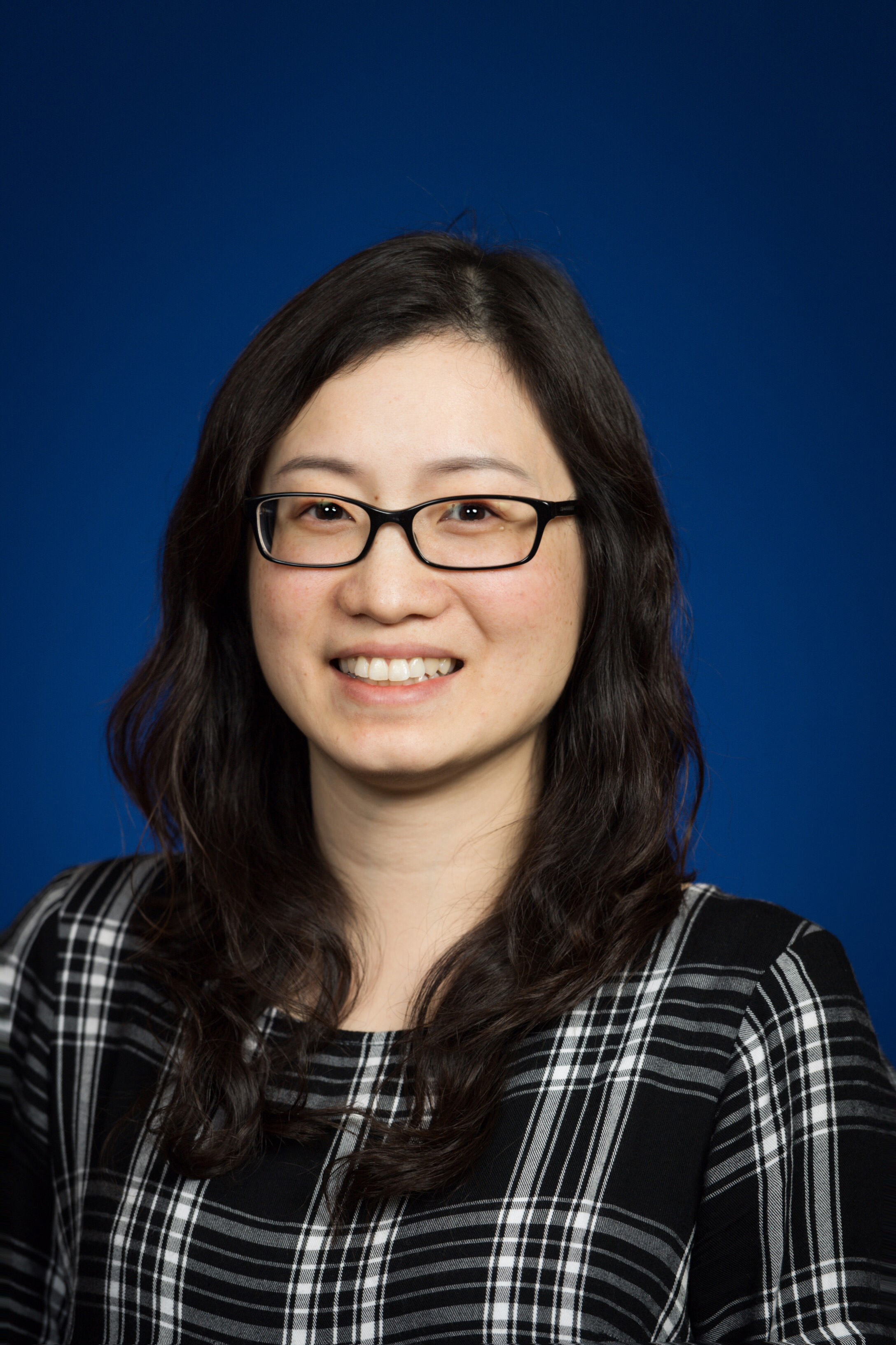
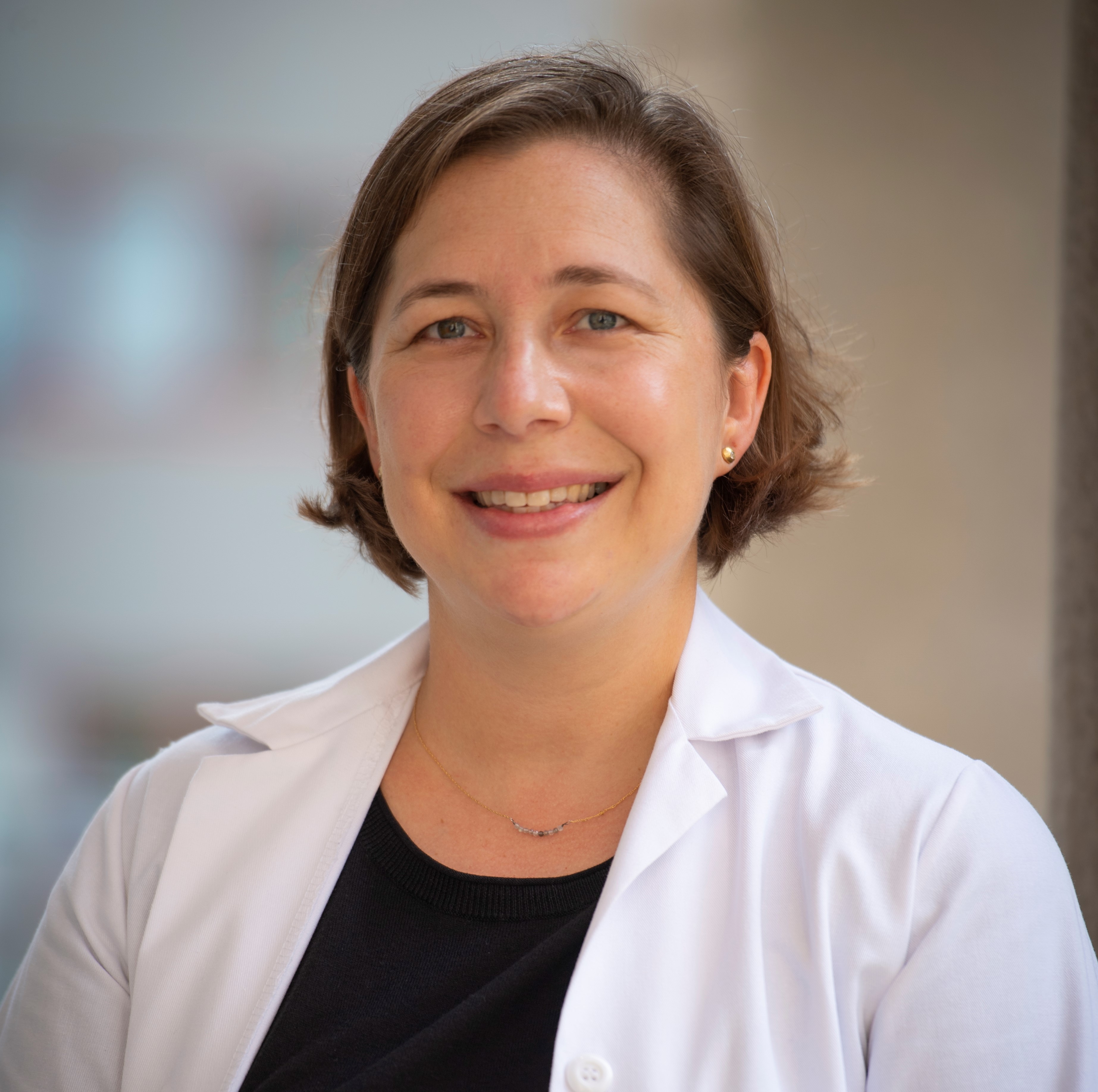
Click on the photos below to learn more about the research grant recipient and their research project.

2026 Grant Award Recipients


The National Scleroderma Foundation is proud to present the second Advances in Scleroderma Research Global Webinar of 2026!

Date: Friday, June 12, 2026

Time: 9:00 AM – 10:30 AM ET

Presenters:

  • Kazuki M. Matsuda, MD, PhD: Autoantigenomic Analysis for Systemic Sclerosis Utilizing In Vitro Human Proteome
  • Harry Karmouty-Quintana, PhD, and Shervin Assassi, MD: The Adipocyte Switch: How SIX1 Regulates Lipolysis and Fibrosis

Registration Link: https://us02web.zoom.us/webinar/register/WN_zDifmN8ERpGZfDnW-kIxCg

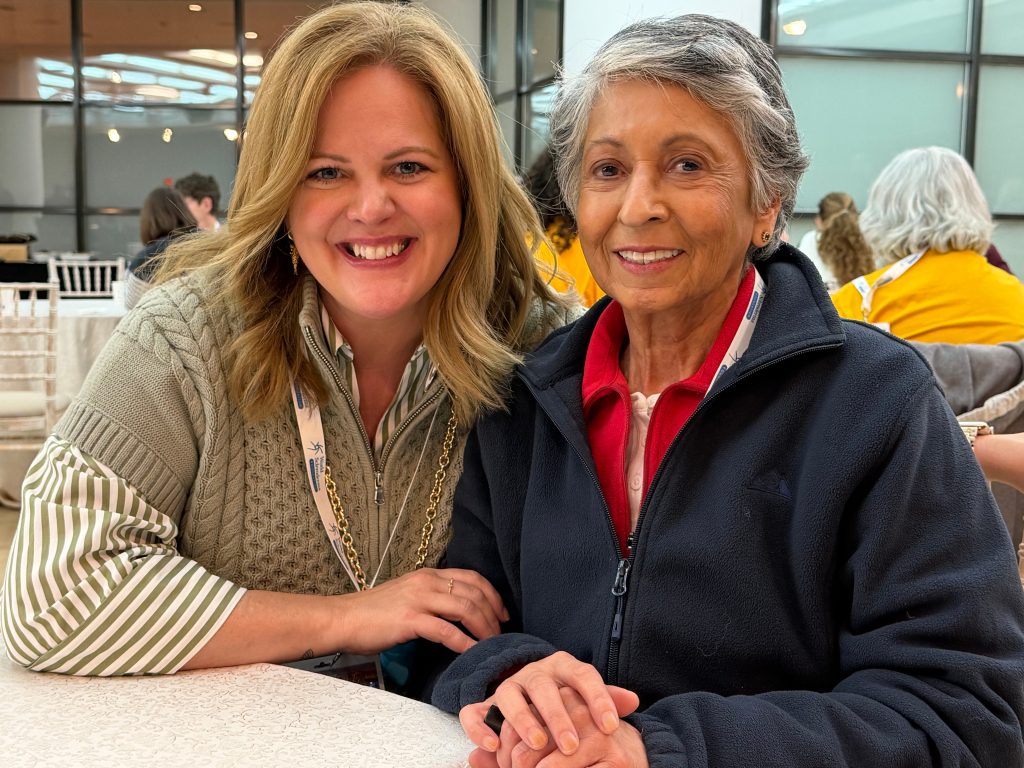
National Scleroderma Foundation CEO, Mary J. Wheatley, IOM, CAE, joined the global scleroderma community at the 9th Systemic Sclerosis Patient World Congress. Mary shares some of the key points of discussion from the event.

Last week, I had the privilege of participating in the 9th Systemic Sclerosis Patient World Congress in Athens, Greece, where patients, clinicians, researchers, and advocates from across the globe came together to discuss progress in scleroderma research and care. 

Picture of Mary Wheatley

While many topics were explored, from emerging therapies to managing complex symptoms, one message resonated throughout the entire congress: Patients must be partners in research, not just participants. 

The Unique Challenges of Rare Diseases 

Systemic sclerosis is a rare, complex, and unpredictable disease. For those living with it, the impact extends far beyond physical symptoms. It affects daily life, employment, relationships, and mental health. 

Because the patient population is small, every clinical trial matters—and every participant matters even more. That is why designing clinical trials that are realistic, meaningful, and patient-centered is so critical. 

Bringing the Patient Voice Into Drug Development 

During the roundtable discussion “Accelerating Access: Breaking Barriers to Therapies,” we discussed how patient engagement can transform the drug development process. 

Drug development is complex because safety matters deeply. That is precisely why patient engagement is so important — it reduces delays caused by poorly designed trials and strengthens the case for urgency at every stage. 

Patients bring insights that no dataset can provide. They understand the daily realities of fatigue, gastrointestinal complications, Raynaud’s phenomenon, lung involvement, and other challenges that define living with systemic sclerosis. 

When patients are involved early in clinical trial design, outcome selection, and regulatory discussions, trials become more feasible for participants, recruitment and retention improve, the burden on patients is reduced, and endpoints reflect outcomes that truly matter in daily life. 

Why Patient Experience Data Matters 

Another important topic of discussion was the growing role of patient experience data (PED) and patient reported outcomes (PROs). 

Many burdens of systemic sclerosis are invisible. Without direct input from patients, critical symptoms can be underestimated or overlooked. Fatigue may not be captured in traditional clinical endpoints; gastrointestinal symptoms may not be prioritized; or functional limitations may not be fully understood. 

Clinical trials tell us whether a therapy works biologically. Patients tell us whether it works enough to matter. 

Addressing Barriers to Clinical Trial Participation 

Another important discussion focused on equity in clinical trial participation. Many patients face barriers that limit their ability to participate in research, including: 

  • Geographic distance from major research centers 
  • Travel costs and logistical challenges 
  • Lack of information about available trials 
  • Language and literacy barriers 
  • Historical mistrust of medical research 

Patient experience data can also support regulatory decisions, influence benefit–risk assessments, and strengthen the case for reimbursement and access. 

To address these challenges, we must continue to explore decentralized and hybrid clinical trial models, increase collaboration between patient organizations and researchers, and ensure better communication about research opportunities. 

Clinical trials should be realistically available to all patients, not just those who live near major academic centers. 

Innovation Must Go Beyond Medication 

While new therapies are essential, we were also reminded that medication alone is not comprehensive care. 

People living with systemic sclerosis often need access to, pulmonary rehabilitation, specialized physiotherapy, nutritional care, mental health support, and multidisciplinary clinical teams. Innovation in rare diseases must include both scientific advances and improvements in supportive care. 

Moving Forward Together 

One of the most inspiring aspects of the event was seeing the global scleroderma community working together—patients, physicians, researchers, regulators, and industry. 

Real progress happens when these groups collaborate. 

When patients are involved in trial design, when patient experience informs regulatory decisions, and when equity is prioritized in research participation, we build a system that works better for everyone. 

In rare diseases like systemic sclerosis, every voice matters. And the future of research will be strongest when patients are partners in progress, not observers. 


More than 1,000 clinicians and researchers joined together for the 9th Systemic Sclerosis World Congress. Organized by the World Scleroderma Foundation, the event runs parallel with the Systemic Sclerosis World Patient Congress. This year’s event highlighted how rapidly the research landscape in systemic sclerosis is evolving. Several key scientific themes emerged across presentations and discussions. 

Earlier Diagnosis and Disease Prevention 

One of the strongest themes was the push toward identifying systemic sclerosis earlier, before irreversible organ damage occurs. Researchers discussed advances in the VEDOSS (Very Early Diagnosis of Systemic Sclerosis) framework, which uses early clinical features such as Raynaud’s phenomenon, autoantibodies, and nailfold capillaroscopy findings to identify patients at risk of developing systemic disease. Studies are also exploring simplified capillaroscopy approaches that could make early screening more accessible in routine clinical practice. 

Lung Disease Remains a Critical Focus 

Systemic sclerosis–related interstitial lung disease (SSc-ILD) continues to be a major focus of research, reflecting its role as the leading cause of mortality in the disease. Several studies examined new ways to predict disease progression, including imaging-based models using high-resolution CT scans and emerging biomarkers linked to vascular injury and immune dysfunction. 

Understanding Vascular Injury 

Many presentations reinforced the importance of vascular damage as an early and central feature of systemic sclerosis. Research explored mechanisms of endothelial injury, new biomarkers of vascular dysfunction, and improved approaches for detecting complications such as pulmonary arterial hypertension and peripheral vascular disease. 

New Therapeutic Frontiers 

Some of the most exciting data focused on next-generation therapies for severe or treatment-resistant disease. Early clinical studies are evaluating innovative immune-targeted approaches, including CD19-directed CAR-T cell therapies, which aim to reset dysfunctional immune responses in systemic sclerosis. Other studies explored new strategies targeting B cells and immune pathways involved in fibrosis. 

Regenerative Medicine and Tissue Repair 

Researchers are also investigating regenerative approaches, including therapies based on adipose-derived stem cells and tissue repair strategies designed to address fibrosis and microvascular damage. These approaches aim not only to slow disease progression but potentially to restore damaged tissue. 

The Role of Digital Innovation 

Finally, the congress highlighted how artificial intelligence and digital tools may improve diagnosis and disease monitoring. For example, AI-assisted nailfold capillaroscopy systems are being developed to help clinicians identify scleroderma patterns more efficiently and expand access to specialized diagnostic techniques. 

Taken together, these scientific developments point toward a future where earlier diagnosis, precision monitoring, and innovative therapies could significantly change the trajectory of systemic sclerosis care. 

Cause for Hope  

The progress presented at the congress shows how far the systemic sclerosis field has come. 

But it also highlights an important truth: scientific innovation alone is not enough. To truly change outcomes for people living with rare diseases, research, clinical care, regulatory systems, and patient communities must move forward together. 

When patients are partners in research, when clinical trials reflect real-world needs, and when scientific discoveries translate into accessible therapies, we create a system that works better for everyone. 

The conversations in Athens made one thing clear: the future of systemic sclerosis care will be shaped not only by new therapies, but by collaboration across the entire community

I am grateful to Sue Farrington, Ilaria Galetti, FESCA leadership and conference organizers for the invitation, as well as National Scleroderma Foundation leaders who participated (Zeba Hyder and Monica Ramirez) in this important Congress. 


Advances in Scleroderma Research – Global Webinar

A series of virtual meetings open to the global community of scleroderma investigators.

A CD57+ CD8 T Cell Subset Links Cytotoxic T Cell Function to Fibrotic Lung Disease in Systemic SclerosisTakanori Sasaki, MD, PhD, Keio University
Arginase-1–Derived Ornithine Drives Collagen Synthesis in Lung FibrosisMallar Bhattacharya, MD, University of California, San Francisco

CLICK HERE TO REGISTER IN ADVANCE

Advances in Scleroderma Research – Global Webinar

A series of virtual meetings open to the global community of scleroderma investigators.

There will be two presentations:

  • (Circadian) Regulation of Collagen-I – New Tools and Insights – Joan Chang, PhD, FHEA, The University of Manchester
  • Local Photo-Crosslinking of Native Lung Tissue Matrices to Mimic Early Fibrotic Remodeling – Claudia Loebel, MD, PhD, University of Pennsylvania

CLICK HERE TO REGISTER IN ADVANCE

Dr. Carol Feghali-Bostwick, a distinguished translational researcher and the SmartState and Kitty Trask Holt Endowed Chair for Scleroderma Research at MUSC, has been honored with the prestigious title of Fellow by the National Academy of Inventors (NAI). The announcement comes as Dr. Feghali-Bostwick joins a select group of 169 innovators acknowledged for their exceptional contributions to various disciplines. 

Election as an NAI Fellow is a testament to Dr. Feghali-Bostwick’s groundbreaking work in fibrosis and systemic sclerosis, marking her commitment to transforming cutting-edge research into tangible technologies that benefit society. Recognized as the highest professional distinction for academic inventors, this accolade is a celebration of her collaboration, dedication, and innovative spirit. 

Beyond her exemplary research, Dr. Feghali-Bostwick is deeply invested in cultivating the next generation of translational researchers, championing diversity in the field. As the director of the South Carolina Clinical & Translational Research Institute Translational Workforce Development program and SCTR’s TL1 program, she provides invaluable training to professionals and predoctoral students, fostering their passion for clinical and translational research. Dr. Feghali-Bostwick’s commitment extends to post-doctoral researchers focusing on lung-related studies. 

A luminary in her field, Dr. Feghali-Bostwick holds an impressive portfolio of 20 patents, with more pending. In addition to her groundbreaking research, she directs STEM-Coaching and Resources for Entrepreneurial Women (CREW), an initiative aimed at mentoring and coaching women, particularly underserved minority women, to become and remain engaged in entrepreneurial activities throughout their careers. 

The 2023 NAI Fellow class, representing 118 research universities and institutions worldwide, boasts an impressive lineup of 2 Nobel Laureates, 3 National Inventors Hall of Fame inductees, and 22 members of the National Academies of Sciences, Engineering, and Medicine. Collectively, this class holds over 4,600 issued U.S. patents. Since its inception in 2012, the NAI Fellows Program has contributed to over 63,000 issued U.S. patents and 13,000 licensed technologies, generating over $3 trillion in revenue and creating more than a million jobs. 

Carol Feghali-Bostwick, Ph.D., was recruited to the Medical University of South Carolina Division of Rheumatology and Immunology in 2013 as the SmartState and Kitty Trask Holt Endowed Chair and Professor of Medicine. Dr. Feghali-Bostwick earned her Ph.D. in Microbiology and Immunology at Tulane University in New Orleans, Louisiana. At MUSC, Dr. Feghali-Bostwick leads a team of clinical and basic scientists focusing on the pathogenic mechanisms underlying fibrosis whose goal is to identify novel targets for therapy and develop new anti-fibrotic strategies for scleroderma/systemic sclerosis, idiopathic pulmonary fibrosis, and other fibrosing conditions. Dr. Feghali-Bostwick also contributes to the mentoring of young physicians and academic scientists. She serves as Vice Chair of the Board of Directors for the National Scleroderma Foundation and is also Chair of the Research Committee and liaison to the Medical and Scientific Advisory Committee.  

To learn more about Dr. Feghali-Bostwick and this high honor, please visit the MUSC website.

ABOUT SCLERODERMA 

Scleroderma is a rare rheumatic disease that affects connective tissue and the vascular system causing an overproduction of collagen (fibrosis) in the skin (localized scleroderma), and the internal organs (systemic sclerosis), which can be life-threatening. Anyone can have scleroderma. The cause is not yet known, and there is no cure.   

ABOUT NATIONAL SCLERODERMA FOUNDATION 

A relentless force in finding a cure and improving the lives of people affected by scleroderma, the National Scleroderma Foundation advances medical research, promotes disease awareness, and provides support and education to people with scleroderma, their families and support networks. Supported by a network of thousands of individuals across the United States, the Foundation is the leading nonprofit funder of peer-reviewed research to discover the cause, understand the mechanisms, and overcome scleroderma forever. Learn more at scleroderma.org.