After Raynaud Phenomenon and skin thickening involvement, the gastrointestinal system is the most common feature of scleroderma. The approach to diagnosis and management, and the ongoing research studies webinar will be led by Dr. Zsuzsanna McMahan, Associate Professor of Medicine at Houston and co-director of The UTHealth Houston Scleroderma Center. Dr. McMahan’s clinical and research expertise focuses on scleroderma (systemic sclerosis), particularly in the gastrointestinal complications of the disease. Join us on Wednesday, September 27, 2023, from 6:00 to 7:30 p.m. CT. This will be a Zoom event open to everyone.
Danvers, Mass. – The National Scleroderma Foundation, the leading nonprofit funder of peer-reviewed research to discover the cause, understand the mechanisms, and overcome scleroderma forever, announces they have received a Four-Star Rating from Charity Navigator for the seventh consecutive year.
This rating designates the National Scleroderma Foundation as an official “Give with Confidence” charity, indicating that the organization is using its donations effectively based on Charity Navigator’s criteria.
“Our Four-Star Charity Navigator Rating is further validation of our commitment to good governance and financial health,” said Mary Wheatley, CEO of the National Scleroderma Foundation. “Our supporters can trust that we are thoughtful stewards of their investment with us, and we hope that it will introduce our work to new supporters who can help us continue our work to find a cure.”
Charity Navigator is America’s largest and most-utilized independent charity evaluator. Since 2001, the organization has been an unbiased and trusted source of information for more than 11 million donors annually.
Charity Navigator analyzes nonprofit performance based on four key indicators, referred to as beacons. Currently, nonprofits can earn scores for the Impact & Results, Accountability & Finance, Culture & Community, and Leadership & Adaptability beacons.
ABOUT SCLERODERMA
Scleroderma is a rare rheumatic disease that affects connective tissue and the vascular system causing an overproduction of collagen (fibrosis) in the skin (localized scleroderma), and the internal organs (systemic sclerosis), which can be life-threatening. Anyone can have scleroderma. The cause is not yet known, and there is no cure.
ABOUT NATIONAL SCLERODERMA FOUNDATION
A relentless force in finding a cure and improving the lives of people affected by scleroderma, the National Scleroderma Foundation advances medical research, promotes disease awareness, and provides support and education to people with scleroderma, their families and support networks. Supported by a network of thousands of individuals across the United States, the Foundation is the leading nonprofit funder of peer-reviewed research to discover the cause, understand the mechanisms, and overcome scleroderma forever. Learn more at scleroderma.org.
ABOUT CHARITY NAVIGATOR
Founded in 2002, Charity Navigator is a 501(c)(3) organization that guides intelligent giving with the nation’s largest, most comprehensive charity evaluation tool. The organization helps donors easily identify U.S.-registered charities making a difference on the issues they care about most while helping charities better understand their donors, deliver on impact, and increase awareness and funding. Learn more at charitynavigator.org.
###
Danvers, Massachusetts – The National Scleroderma Foundation, the leading nonprofit organization providing support and education to people with scleroderma, their families and support networks, recently announced the promotion of Ashley Pruett, M.Ed., to Vice President of Community Engagement.
“I am delighted to see Ashley take on this new role, which is critical to the Foundation’s success going forward,” shared Mary Wheatley, CEO of the National Scleroderma Foundation. “By building a robust leadership pipeline from the grassroots level to our national committees and board, we can ensure the future for people living with scleroderma will be bright. Ashley’s dedication to our community and to ensuring every voice is heard will serve us well as we build a Foundation for the future.”
In her new role, Pruett will be responsible for developing community engagement strategies and establishing critical relationships with both members of the scleroderma community and local community leaders to best position the Foundation to deliver on its mission.
“I am honored to continue my service for this amazing Foundation in expanded functional areas, allowing me to work more with the greater community we serve and the support programs we offer,” said Pruett.
Since January 2022, Pruett has served as the Foundation’s Senior Director of Chapter Operations, where she partnered with Foundation chapter staff and leadership across the organization to develop and maintain coordinated program and service delivery, system integration, and ensure operational excellence.
Pruett has nearly 20 years of experience in non-profit leadership, including extensive work with grassroots and chapter-based organizations. She started her non-profit work at ASHRAE, where she worked with chapters, members, volunteers, student programs internationally for nine years. She then went on to work for the Safe States Alliance, an injury and violence prevention association funded by the CDC, where she served as the director of membership and marketing. More recently, Pruett worked with Georgia Public Broadcasting, a public media 501 c3, where she served as the director of development operations.
She earned her undergraduate degree from Coker College (now University), and her graduate degree from James Madison University. She is a native of Tulsa, Oklahoma, and spent most of her life in Atlanta, Georgia. She now resides in Portsmouth, Rhode Island, with her family.
ABOUT SCLERODERMA
Scleroderma is a rare rheumatic disease that affects connective tissue and the vascular system causing an overproduction of collagen (fibrosis) in the skin (localized scleroderma), and the internal organs (systemic sclerosis), which can be life-threatening. Anyone can have scleroderma. The cause is not yet known, and there is no cure.
ABOUT NATIONAL SCLERODERMA FOUNDATION
A relentless force in finding a cure and improving the lives of people affected by scleroderma, the National Scleroderma Foundation advances medical research, promotes disease awareness, and provides support and education to people with scleroderma, their families and support networks. Supported by a network of thousands of individuals across the United States, the Foundation is the leading nonprofit funder of peer-reviewed research to discover the cause, understand the mechanisms, and overcome scleroderma forever.
###
Bellevue, Washington – The National Scleroderma Foundation, the leading patient advocacy organization serving people living with scleroderma in the United States, will host the 2024 National Scleroderma Conference July 19-21 in Bellevue, Washington, just nine miles east of Seattle, at the Hyatt Regency Bellevue.
“After such a successful convening last summer, we are excited to host this year’s Conference to connect even more people affected by scleroderma,” said Mary Wheatley, National Scleroderma Foundation CEO. “We are committed to be there for everyone living with scleroderma in the US, no matter where they are geographically or in their diagnostic journey. Supported by our vibrant chapters with a presence in every state, we are more confident than ever in our ability to serve our community.”
Wheatley continues, “By taking the conference to the Seattle area, we will be able to reach a dedicated, growing community while giving others the opportunity to enjoy, experience and explore the Pacific Northwest.”
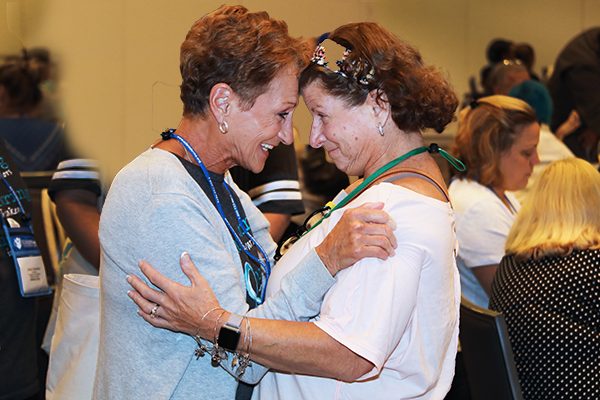
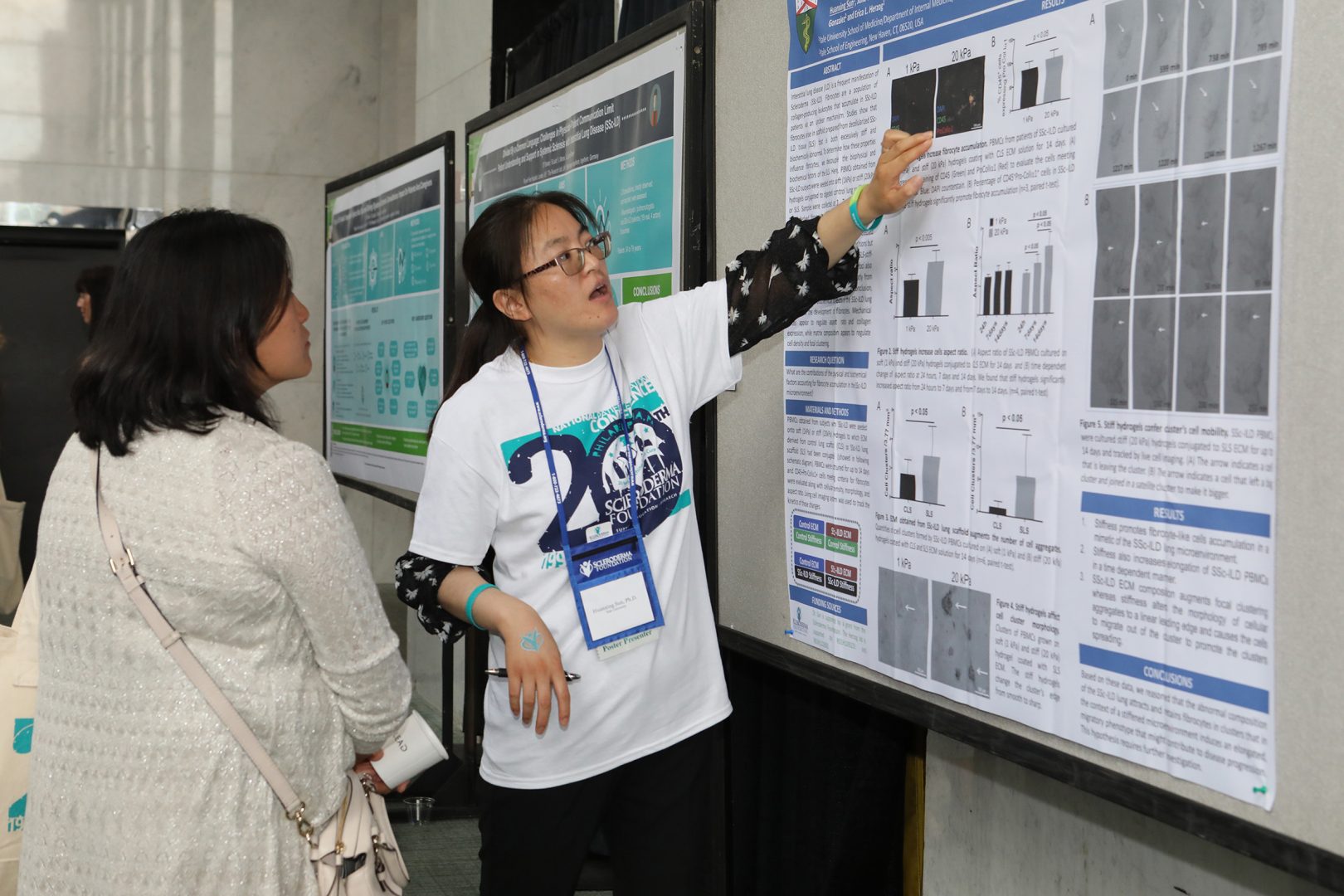
The conference will include expert-led panel discussions and educational sessions, an exhibit hall with clinical research posters, and various networking opportunities. In addition, the conference will once again be paired with the Kids Get Scleroderma, Too! program, offering education and support for children and their families.
“The Foundation is planning an inclusive educational event for anyone impacted by scleroderma – from those who are newly diagnosed to the warriors and caregivers who have been living with the disease for decades,” said Kate Anastasia, National Scleroderma Foundation Senior Director of Mission Delivery. “Attendees will have the opportunity to hear experts in the field offer sessions about diagnosis, monitoring, treatments and the latest in research, while also making social connections and lifelong friendships.”
Scleroderma is a rare rheumatic disease that affects connective tissue and the vascular system causing an overproduction of collagen (fibrosis) in the skin (localized scleroderma), and the internal organs (systemic sclerosis), which can be life-threatening. Anyone can have scleroderma. The cause is not yet known, and there is no cure.
ABOUT NATIONAL SCLERODERMA FOUNDATION
A relentless force in finding a cure and improving the lives of people affected by scleroderma, the National Scleroderma Foundation advances medical research, promotes disease awareness, and provides support and education to people with scleroderma, their families and support networks. Supported by a network of thousands of individuals across the United States, the Foundation is the leading nonprofit funder of peer-reviewed research to discover the cause, understand the mechanisms, and overcome scleroderma forever. ###
August recess is a longstanding tradition in Congress, allowing federal lawmakers to balance their responsibilities in Washington, D.C., with their obligations to constituents. Representatives and Senators head back to their home districts and states for the month to take a break from their regular schedule of events, which includes hearings, debates, floor votes and committee meetings.
Now until September 4, Congressmembers will be campaigning locally and meeting with community members. Here are three opportunities to leverage this time to further your organization’s policy priorities and strengthen relationships with members of Congress:
1. Arrange an In-District Meeting or Virtual Meeting
Federal lawmakers might seem disconnected from concerns that are important to you, however, it is important to recognize that they rely on constituent input and engagement to inform their decision-making and maintain their positions in office. In-district meetings provide a more accessible and personal setting for advocates to share their opinions on policy issues, garner support for legislation and build interpersonal connections with in-district staff.
Recently, Caryn Anatriello, Manager of Advocacy and Support had the opportunity to meet with Congressman Paul Tonko. The ask was simple, for the continued inclusion of scleroderma in the Department of Defense (DoD) “eligible for study” through the Peer-Reviewed Medical Research Program (PRMRP). And to please let their Senate Defense Appropriations Committee colleagues know that their constituents have said that this request is important to them and to everyone impacted by scleroderma.
Pictured: National Scleroderma Foundation’s Caryn Anatriello, Manager of Advocacy and Support with Congressman Paul Tonko, New York’s 20th Congressional District.
Update-Friday, July 28, 2023
Congratulations to our advocates! The Defense Subcommittee released the list for the Peer Reviewed Medical Research Program (PRMRP) and scleroderma is again listed! By including scleroderma on the DOD’s eligibility list again this year, researchers focusing on scleroderma will be able to compete for and secure the federal support that will help their current work succeed.
Our Priorities
As a community, scleroderma advocates are focused on outreach to United States Senators and Representatives to increase their understanding of scleroderma and its dramatic impact on the health of individuals and families. Symptoms of scleroderma can derail a person’s life and end a career or cause isolation from peer groups and society.
Senate Appropriations, the PRMRP, and Researchers’ Eligibility for Federal Funding
BACKGROUND: Each year, the United States Senate crafts a Department of Defense (DOD) appropriations bill, which includes a list of conditions that are deemed “eligible for study” through the Peer-Reviewed Medical Research Program (PRMRP).
For a condition to be included, Senators need to support the condition and officially ask for its inclusion on the list. Senators have many competing appropriations priorities, and to support a specific condition like scleroderma, they need to be asked to do so by their constituents. That includes you.
DOD support for scleroderma research is important! Research into the underlying mechanisms of scleroderma shows relevance to all fibrosis, which occurs at higher rates among individuals who serve in the military and our veterans. Also, military service-associated environmental triggers (particularly silica, solvent, and radiation exposure) are believed to be linked to the onset of scleroderma in individuals who are genetically predisposed to the condition.
Scleroderma has been included as a condition eligible for study in the past, leading to PRMRP funding for nearly $10 million in meritorious and meaningful scleroderma research projects. By including scleroderma on the DOD’s eligibility list again this year, researchers focusing on scleroderma will be able to compete for and secure the federal support that will help their current work succeed.
Senate Defense Appropriators:
Jon Tester (D-MT), Chair Richard Shelby (R-AL), Ranking Member Richard Durbin (D-IL) Patrick Leahy (D-VT) Dianne Feinstein (D-CA) Patty Murray (D-WA) Jack Reed (D-RI) Brian Schatz (D-HI) Tammy Baldwin (D-WI) Jeanne Shaheen (D-NH) Mitch McConnell (R-KY) Susan Collins (R-ME) Lisa Murkowski (R-AK) Lindsey Graham (R-SC) Roy Blunt (R-MO) Jerry Moran (R-KS) John Hoeven (R-ND) John Boozman (R-AR)
2. Attend a Town Hall
Virtual or in-person Congressional town halls provide citizens with a unique platform to petition their government to remedy grievances and courageously voice their opinion on policy issues and solutions. Constituents can hold their legislators accountable in a public forum, and in turn lawmakers can present comprehensive justifications for their political stances.
Tips for organizing and participating in a local town hall:
Make your presence known by inviting local allies and supporters. Cohesive branding such as signs, shirts and flyers will help increase your organization’s visibility to members of Congress and local press.
Ask concise questions that demand real answers. If you would like your lawmaker to support specific legislation, come prepared to tell your story, explain the issue, how it impacts your community and urge them to enact meaningful policy solutions.
Sample Script: My name is ____________________, and I live in ____________________ (city/state – establishes that you are a constituent in their congressional district).
I am an advocate with the National Scleroderma Foundation, a nonprofit organization dedicated to the concerns of people whose lives have been impacted by the autoimmune disease scleroderma, also known as systemic sclerosis, and related conditions.
The Scleroderma Foundation’s mission is to 1) support individuals affected by scleroderma, 2) promote education and public awareness, and 3) advance critical research and improve scientific understanding to improve treatment options and find the causes and a cure. The foundation funds clinical research to find the cause and cure for scleroderma and related conditions.
Scleroderma is a chronic connective tissue disease affecting approximately 300,000 Americans. The word scleroderma means hardening of the skin, which is one of the most visible manifestations of the condition. The cause of this progressive and potentially fatal disease remains unknown. There is no cure, and treatment options are limited.
Symptoms vary greatly and are dependent on which organ systems are impacted. Prompt diagnosis and treatment by a qualified physician may slow the progression of the disease. Symptoms vary greatly depending on what type of systemic sclerosis is affecting the individual and which organ systems are impacted. Serious complications of the disease include interstitial lung disease, the leading cause of death, followed by pulmonary hypertension and cardiac involvement. Other complications include renal crisis, calcinosis, digital ulcerations, fatigue, myocardial disease, joint contractures, tightening of the skin, gastric paresis, esophageal dysfunction, Sjogren’s, anemia and more.
Share a glimpse into your scleroderma story. Be concise and let them know how scleroderma has affected your life. Consider developing 2 or 3 impactful statements or examples to share. You will not have time to share a timeline or full story.
Legislation. Currently, we need to thank legislators for their support and ask them to continue supporting the $5 million Scleroderma Peer-Reviewed Research Program at the Department of Defense. And keep scleroderma on the “eligible list” for study in FY25.
Capture the event on social media and invite local press. Utilize media outlets to further garner the attention of your lawmakers and the public.
Town halls advertised on their social media channels and websites, but also monitoring local news stations or contacting their in-district office for details.
3. Host an In-District Event
Representatives and Senators appreciate good press and are often willing to participate in in-district events to demonstrate their connection to the community. Invite your member of Congress to an awareness walk, a site visit at a health care facility, or organize a special event, inviting fellow advocates and the media to participate.
Pictured: Mayor of Rochester, New York, Malik Evans and National Scleroderma Foundation’s Tri-State Chapter, Chapter Advisory Council, Marilyn Sibley. The Mayor was honored for his work for health and education in the Rochester community.
For more information on how to engage federal lawmakers during August Recess, contact us. Please be sure to share your successes with us at info@scleroderma.org.
Join the Action Alert Network
Come and join our network of volunteer advocates. Whether it’s through a letter, fax, email, phone call, or in-person, connecting with your U.S. Representative and Senators is an important step in educating government officials about scleroderma and the impact it has on individuals and families in terms of health and economically.
Action Alerts are time-sensitive announcements sent via email when it’s time to take action and contact your Senators and/or Representative about a vote or sponsorship of a bill that impacts people affected by scleroderma.
The Foundation provides background information to help you understand the issue and how to communicate about it. The most important part of responding to an action alert is telling your scleroderma story. Government works best when legislators understand the personal impact of legislation. JOIN THE ACTION ALERT NETWORK
The National Scleroderma Foundation is excited to announce that we are realigning our chapters, allowing us to elevate our commitment to providing true coast-to-coat coverage for those affected by scleroderma and their caregivers. Supporting the journeys of all individuals who are affected by scleroderma has been and will continue to be our top priority. Broadening our reach ensures everyone within the United States affected by scleroderma has access to support, programs, and resources, and to help each individual find their best path.
As part of the organization’s five-year strategic plan, the board of directors elevated our commitment to providing true coast-to-coat coverage for those affected by scleroderma and their caregivers. Our foundation has been able to impact patients and caregivers for the last 25 years because of your dedication and hard work. We can’t wait to see the even greater impact you will have under this new format.
Our 13 chapters are:
Florida & Puerto Rico Chapter (serving Florida & Puerto Rico)
Heartland Chapter (serving Iowa, Nebraska, North Dakota, South Dakota, Kansas, and Missouri)
Lower Great Lakes Chapter (serving Ohio, Illinois, Indiana, and Kentucky)
Mid-Atlantic Chapter (serving District of Columbia, Maryland, Virginia, Delaware, South & Central New Jersey, Pennsylvania, and West Virginia)
New England Chapter (serving Maine, Massachusetts, New Hampshire, Rhode Island, and Vermont)
Pacific Northwest Chapter (serving Washington, Oregon, Idaho, and Alaska)
Rocky Mountain Chapter (serving Arizona, New Mexico, Colorado, Utah, Wyoming, and Montana)
South Chapter (serving Alabama, Arkansas, Tennessee, Louisiana, and Mississippi)
Southeast Chapter (serving North Carolina, South Carolina, and Georgia)
Texoma Chapter(serving Texas and Oklahoma)
Tri-State Chapter (serving Connecticut, New York, and Northern New Jersey)
Upper Great Lakes Chapter (serving Michigan, Minnesota, and Wisconsin)
The National Scleroderma Foundation has conferred 14 awards at the Volunteer Awards Recognition luncheon hosted by Desiree James, Chair of the Florida & Puerto Rico Chapter
ORLANDO, JULY 15, 2023 — The National Scleroderma Foundation hosted their 2023 Volunteer Awards Recognition luncheon at the National Scleroderma Conference in Orlando, Florida. Each year the Foundation recognizes volunteers for their outstanding work in support of its mission to advance medical research, promote disease awareness, and provide support and education to people with scleroderma. This year, the Foundation conferred 14 awards. The Volunteer Awards Recognition luncheon was hosted by Desiree James, Chair of the Florida & Puerto Rico Chapter “I am thrilled the National Conference is being held in the state of Florida this year. I am also excited to be involved in recognizing this group of outstanding volunteers and the positive impact they have had on the scleroderma community,” shared Desiree James.
The 2023 awards and recipients include:
The Individual Fundraiser of the Year is awarded to an individual who has made an outstanding contribution to fundraising in their chapter and shows consistent excellence through their actions and leadership. This year, Maria Bartoszewicki of the New England Chapter was awarded for her long-time work on the Deer Island Stroll in honor of her father, Don Legere.
The Chapter Support Group Volunteer of the Year is awarded to a support group leader who leads by example and encourages others to engage in their community. This year, Meryl Parr of the Florida & Puerto Rico Chapter was awarded for her long-time role as a support group leader in her chapter. After her husband’s passing, Meryl decided to become active in the chapter and get involved with the support groups, which she has led for many years in the Southeast Florida community.
The Outstanding Patient Support Award is awarded to an individual who has continuously supported, educated, and uplifted their community. This was awarded to Michael Bessert for his long-time work with patient support, including starting the 20% Men’s Support. Michael makes himself available to anyone that has a question or needs a listening ear.
The Outstanding Chapter Awareness Award is awarded to a Chapter that consistently keeps awareness and advocacy integral to chapter operations. This was awarded to the Tri-State Chapter. The Tri-State Chapter provides programming to Connecticut, New York, and Northern New Jersey.
The Advocate of the Year is awarded to an individual who personifies what it means to “speak up for scleroderma” and is active in awareness and advocacy to better the scleroderma community on a national level. This was awarded to Lucille Miller. From Lucille’s Sunday Sitdown on Facebook gaining national attention to her 2022 leadership in the Ohio Chapter contacting every senator and representative, Lucille’s advocacy efforts have been commendable.
The Outstanding Educational Program is awarded to an individual, group, or chapter that has maximized available resources within the community to provide patients with an excellent educational experience. This year, the award went to the South Carolina Chapter and chairs Karen Kemper and Susan Melvin for the 13th Amy K. Parrish Scleroderma Education Conference.
The Chapter Volunteer of the Year is awarded to an individual who leads by example and encourages others to engage in their local and regional community. This year, Rhonda Costa, of the Missouri Chapter, was awarded for her long-time dedication to the Foundation, and most recently, running the Missouri Chapter as Chair for the last several years.
The Philanthropist of the Year is awarded to an individual who has made an outstanding contribution to fundraising and shows consistent excellence through their actions and leadership. This year, David Rosenberg & Bruce Gordon were awarded for their work as co-founders and co-chairs of the New England Chapter’s premiere fundraising event, the Annual Golf Classic held at the Salem Country Club, a USGA championship course.
The National Volunteer of the Year award is awarded to an individual who leads by example and encourages others to engage in their community. This was awarded to Evamarie Cole, who supports the mission of the Foundation in all aspects. She has supported the Tri-State Chapter as a support group leader to Metro 5, Chapter Advisory Committee lead for Tri-State Advocacy and Awareness, Co-Chair of the National Patient Advisory Board, facilitator for the BIPOC support group, and advocate for patient stories for the DoD funding bill.
The Chapter of the Year is awarded for overall excellence in advancing the mission of the Foundation in the areas of support, education, and research by a chapter. This year, the Ohio Chapter was awarded for excelling in many areas that provided patient care, education, and funds for scleroderma.
The Jacob Davila Memorial Leadership Award was established to honor the recognition of Jacob Davila from Humble, Texas. Jacob was a long-time volunteer and advocate for Scleroderma and the National Scleroderma Foundation. The volunteer awardee will be selected based on the following criteria: 1) prepared for service and understands that true wisdom is gained in community and that serving others is a privilege and an honor, 2) Serves as a community builder who believes in enriching and ennobling the lives of others within the scleroderma community, and 3) Demonstrates characteristics consistent with servant leadership. The inaugural awardee for the Jacob Davila Memorial Leadership Awards was Evamarie Cole from the Tri-State Chapter.
The Messenger of Hope Award is awarded to an individual whose words and/or actions offer continued hope and inspiration to our community. This year, Beth Auman was awarded for her long-time work in our scleroderma community as a voice of patients. Beth has had scleroderma for many years and is a wealth of knowledge willing to share physician information, latest research data, and all aspects of daily life with scleroderma with anyone in the scleroderma community.
The Doctor of the Year is awarded to the physician whose dedication has improved the lives of thousands of people living with scleroderma and who demonstrates exceptional skills in clinical practice and patient education while maintaining the mission, vision, and values of the Foundation. This year, Dr. Janet Poole was awarded Doctor of the Year. Thanks to her efforts, we recognize that the sooner a person with systemic sclerosis focuses on hand exercise, the less likely they are to develop contractures and hand disability, as well as decreased arthritis symptoms and improved circulation in the hands.
The Lifetime Achievement Award is the Foundation’s highest honor and is awarded to individuals who have given extraordinary service to the organization. This year, Marilyn Sibley was awarded the Lifetime Achievement Award for more than 15 years of going above and beyond to help patients, caregivers, and friends. Since losing her sister Rosa to the disease, Marilyn has continued supporting the scleroderma community by leading support groups, walks, and awareness campaigns, as well as creating the BIPOC support group, giving special emphasis to the people of color community, which covers the highest percentage of disparities and lack of sources and education.
“Each of this year’s award recipients is making a direct impact in their community, and nationally, to raise awareness and support for scleroderma support, education and research. Thanks to their tireless efforts, we are closer than ever to realizing our vision of finding a cure,” shared CEO Mary J. Wheatley.
ABOUT SCLERODERMA
Scleroderma is a rare rheumatic disease that affects connective tissue and the vascular system causing an overproduction of collagen (fibrosis) in the skin (localized scleroderma), and the internal organs (systemic sclerosis), which can be life-threatening. Anyone can have scleroderma. The cause is not yet known, and there is no cure.
ABOUT NATIONAL SCLERODERMA FOUNDATION
A relentless force in finding a cure and improving the lives of people affected by scleroderma, the National Scleroderma Foundation advances medical research, promotes disease awareness, and provides support and education to people with scleroderma, their families and support networks. Supported by a network of thousands of individuals across the United States, the Foundation is the leading nonprofit funder of peer-reviewed research to discover the cause, understand the mechanisms, and overcome scleroderma forever.
###
New members welcomed to the Board of Directors, Medical and Scientific Advisory Board, and Patient Advisory Board
The National Scleroderma Foundation has elected the Fiscal Year 2024 Board of Directors, Medical & Scientific Advisory Board, and Patient Advisory Board. Each board is essential to leading and guiding the Foundation with its critical mission work with volunteer leader terms beginning July 1, 2023.
The three volunteer boards serve different roles for the Foundation. The Board of Directors exercises its fiduciary responsibilities to ensure the success of the Foundation. It oversees all Foundation programs and services and is the governing board for the organization. The Medical & Scientific Advisory Board serves as a link to the medical and research communities in scleroderma and plays a leading role in fostering healthcare provider education, mentoring young investigators, and assisting with the development of Foundation programs designed to accomplish these goals. Lastly, the aim of the newly established Patient Advisory Board is to amplify the voice of the patient community and take a leading role in disseminating patient information and education, developing timely educational programming, and establishing research priorities. In addition, the Patient Advisory Board is charged with mentoring new and potential leaders and assisting with the development of Foundation programs and services designed to achieve the mission priorities.
“On behalf of the entire National Scleroderma Foundation, I am grateful to all our leaders who have stepped forward in service this year. We are fortunate to have a wealth of knowledge, expertise, and experience on our boards from experts in lived experience, caregiving, governance, fundraising, research, and treatment,” shared Board Chair Kevin Boyanowski. “I have benefited greatly from learning from those I’ve served with in my time with the Foundation over the past decade, and I look forward to working with this new class of leaders this year.”
Leaders are recruited via an open nominations process annually, whereby anyone interested in serving may apply. Candidates are vetted based on several factors, including current board composition and goals, commitment to advancing the Foundation’s mission, previous volunteer and leadership service, professional and personal experience, and expertise. The slate of candidates approved are a result of efforts to balance the boards accordingly.
For this service year, the Foundation Board of Directors has confirmed the following volunteer leadership appointments.
Board of Directors
Executive Committee Kevin Boyanowski, Chair Carol Feghali-Bostwick, PhD, Vice Chair Cyndy Besselievre, CPA, Treasurer Mike Levengood, Esq, Secretary Cos Mallozzi, Immediate Past Chair
Members-at-large Linda J.B. Bornstein Baum, OD Mary Blades Courtney Caliendo, Esq. Peggy Collins Blake Embree Zeba Hyder, MBA Christina Loccke Aaron (AJ) Nahmad Mark Orozco, MBA Tracy Porter, MEd, SPHR Marcia Walker
Ex Officio Jane Ladas, Chair, New England Chapter Nancy Waltermire, Chair, Mid-Atlantic Chapter Peggy Collins, Chair, Chapter Leadership Council Evamarie Cole, Co-Chair, Patient Advisory Board Karen Gottesman, Co-Chair, Patient Advisory Board Kathryn Torok, MD, Chair, Medical and Scientific Advisory Board Mary J. Wheatley, IOM, CAE, Chief Executive Officer
Medical & Scientific Advisory Board
Steering Committee Kathryn Torok, MD, Chair Jessica Farrell, PharmD, Co-Chair, Patient Education Committee Jessica Gordon, Co-Chair, Patient Education Committee Laura Hummers, MD, Chair, Physician Education Committee Richard Silver, MD, Chair, Research Committee Virginia Steen, MD, Immediate Past Chair
Members-at-large Shervin Assassi, MD Elana Bernstein, MD Nunzio Bottini, MD, PhD Soumya Chatterjee, MD, MS Robyn Domsic, MD Tracy Frech, MD Kristin Highland, MD Heidi Jacobe, MD David Leader, DMD Maureen D. Mayes, MD Rishi Naik, MD Janet Poole, PhD, OTR/L Carrie Richardson, MD Lesley Ann Saketkoo, MD Robert Spiera, MD Elizabeth Volkmann, MD, MS
Patients Advisory Board
Evamarie Cole, Co-Chair Karen Gottesman, Co-Chair Nikhil Bhat Peggy Collins Carla King Amanda Lippincott Ann Mogilevsky Erion Moore Monica Ramirez Ron Sasso Sade Taylor
ABOUT SCLERODERMA Scleroderma is a rare rheumatic disease that affects connective tissue and the vascular system causing an overproduction of collagen (fibrosis) in the skin (localized scleroderma), and the internal organs (systemic sclerosis), which can be life-threatening. Anyone can have scleroderma. The cause is not yet known, and there is no cure.
ABOUT NATIONAL SCLERODERMA FOUNDATION The National Scleroderma Foundation is a relentless force in finding a cure for scleroderma as it advances medical research, promotes disease awareness, and provides support and education for people with scleroderma, their families and support networks. Its highly regarded peer-reviewed research grant program aims to discover the cause, understand the mechanisms, and overcome scleroderma forever. scleroderma.org
The National Scleroderma Foundation recognizes World Scleroderma Day with its Scleroderma Awareness Month Campaign, “Let’s Talk About Scleroderma”
DANVERS, MA – World Scleroderma Day is June 29, highlighting June as Scleroderma Awareness Month. Each year, World Scleroderma Day emphasizes the need for increased scleroderma awareness, support, and advocacy for those affected by this life-threatening disease. More than 300,000 Americans live with some form of scleroderma, and there is no cure. In 2009, June 29 was selected by FESCA (Federation of European Scleroderma Associations) as World Scleroderma Day to commemorate Paul Klee, a gifted abstract artist who died of systemic sclerosis on June 29, 1940.
In honor of Scleroderma Awareness Month and World Scleroderma Day, the National Scleroderma Foundation launched its “Let’s Talk About Scleroderma” campaign. During June, the Foundation engaged its community to elevate the awareness of those battling this disease in the hopes of creating better support, education, and research. The theme highlights the Foundation’s belief that discussing scleroderma, whether with family, friends, or colleagues, can increase awareness and better the lives of those living with scleroderma. In addition to social media outreach, the Foundation hosted #TealTalk Lives and #TealTalk Tables to elevate conversations amongst the scleroderma community and create a sense of togetherness. Every Tuesday in June on Facebook Live, CEO Mary Wheatley featured a member of the community to share their scleroderma journey. Each Thursday in June, the Foundation hosted #TealTalk Tables, where the scleroderma community joined together for small group discussions about their experiences with scleroderma and the importance of raising awareness.
In local communities across the country, chapter members embraced the “Let’s Talk About Scleroderma” campaign by sharing content on social media, reaching out to elected officials for State Proclamations and landmark light-ups, and hosting Stepping Out to Cure Scleroderma Walks.
“Our community continues to inspire leaders across the country as they share their resilience, strength and dedication to finding a cure for scleroderma,” shared Foundation CEO Mary Wheatley. “By raising awareness about this devastating disease, our volunteers, members and leaders are hoping to decrease the time to diagnosis for those suffering with symptoms for scleroderma, leading to better outcomes and a better quality of life.”
The efforts to raise scleroderma awareness continue beyond the end of June. Next month, the Foundation will host its 2023 National Scleroderma Conference, and Kids Get Scleroderma Too! Conference; the preeminent scleroderma education event that provides access to world-renowned scleroderma experts and the latest information about symptom management and scleroderma research. The 2023 National Scleroderma Conference and Kids Get Scleroderma Too! Conference will take place in Orlando, Florida, on July 14, 15, and 16. To learn more, visit scleroderma.org/conference.
All are encouraged to join the scleroderma awareness campaign by sharing and reposting Foundation content on Facebook, Twitter, LinkedIn, and Instagram. To learn more about World Scleroderma Day and Scleroderma Awareness Month, visit scleroderma.org/tealtalk.
ABOUT SCLERODERMA Scleroderma is a rare rheumatic disease that affects connective tissue and the vascular system causing an overproduction of collagen (fibrosis) in the skin (localized scleroderma), and the internal organs (systemic sclerosis), which can be life-threatening. Anyone can have scleroderma. The cause is not yet known, and there is no cure.
ABOUT NATIONAL SCLERODERMA FOUNDATION A relentless force in finding a cure and improving the lives of people affected by scleroderma, the National Scleroderma Foundation advances medical research, promotes disease awareness, and provides support and education to people with scleroderma, their families and support networks. Supported by a network of thousands of individuals across the United States, the Foundation is the leading nonprofit funder of peer-reviewed research to discover the cause, understand the mechanisms, and overcome scleroderma forever.
Subscribe and receive a weekly email with important information about scleroderma and the National Scleroderma Foundation