
Scleroderma or Systemic Sclerosis Defined
Scleroderma, or systemic sclerosis, is a chronic connective tissue disease generally classified as an autoimmune disease. Hardening of the skin is one of the most visible manifestations of the disease. The disease varies from individual to individual. Scleroderma is not contagious, infectious, cancerous, or malignant. (National Scleroderma Foundation, 2023)
The ever-changing nature of symptoms can flare up and calm down. They’re not predictable, and it’s difficult to anticipate changes over time because symptoms and their effects on a person vary greatly.
Classification of Scleroderma
Limited cutaneous scleroderma
- Raynaud phenomenon for years, occasionally decades
- Skin involvement limited to hands, face, feet, and forearms (acral distribution)
- Dilated nail fold capillary loops, usually without capillary drop-out
- A significant (10 to 15 percent) late incidence of pulmonary hypertension, with or without skin calcification, gastrointestinal disease, telangiectasias (CREST syndrome), or interstitial lung disease
- Renal disease rarely occurs
- Anticentromere antibody (ACA) in 70 to 80 percent
Diffuse cutaneous scleroderma
- Raynaud phenomenon followed, within one year, by puffy or hidebound skin changes
- Truncal and acral skin involvement; tendon friction rubs
- Nailfold capillary dilation and capillary drop-out
- Early and significant incidence of renal, interstitial lung, diffuse gastrointestinal, and myocardial disease
- Anti-Scl-70 (30 percent) and anti-RNA polymerase-I, II, or III (12 to 15 percent) antibodies
Scleroderma sine scleroderma
- Presentation with pulmonary fibrosis or renal, cardiac, or gastrointestinal disease
- No skin involvement
- Raynaud phenomenon may be present
- Antinuclear antibodies may be present – anti-Scl-70, ACA, or anti-RNA polymerase-I, II, or III
- Environmentally induced scleroderma
- Generally diffuse distribution of skin sclerosis and a history of exposure to an environmental agent suspected of causing scleroderma
- Overlap syndromes
- Features of systemic sclerosis that coexist with those of another autoimmune rheumatic disease, such as systemic lupus erythematosus, rheumatoid arthritis, dermatomyositis, vasculitis, or Sjögren’s syndrome.
Pre-scleroderma
- Raynaud phenomenon
- Nailfold capillary changes and evidence of digital ischemia
- Specific circulating autoantibodies – anti-topoisomerase-l (Scl-70), anti-centromere(ACA), or anti-RNA polymerase-l, II, or III
Scleroderma-Related Symptoms You May Experience





Other Common Symptoms You May Experience
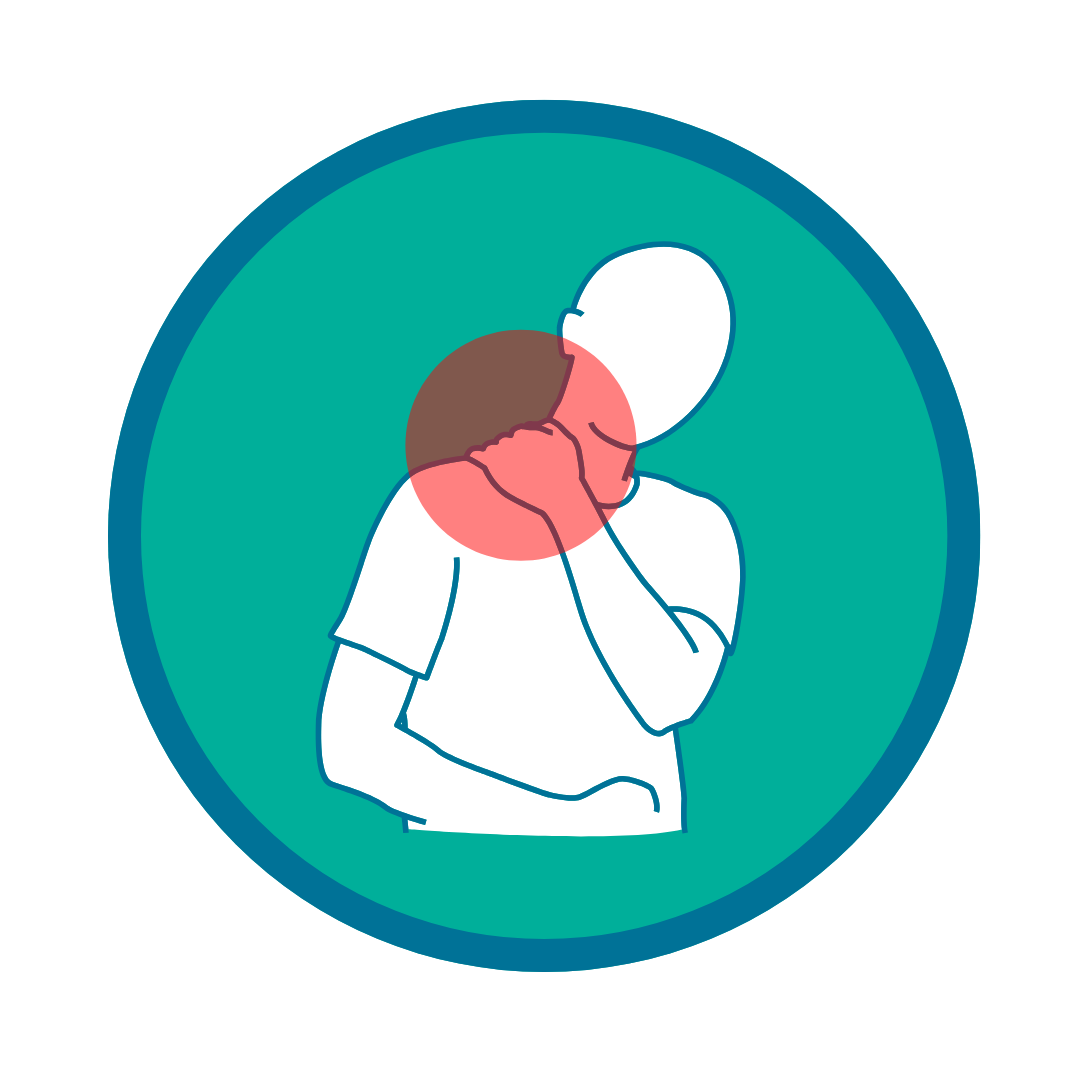


Other symptoms to watch for include new onset swelling of fingers, ankles, or feet.
What Can I Do When First Diagnosed?
Being diagnosed with scleroderma can sometimes be viewed as scary or overwhelming. Scleroderma is a rare disease, and knowing that you are not alone is important!
While scleroderma can feel like a lonely disease, you don’t have to be alone. It’s okay to ask for help and support. You do have to shift to a new normal and needing help during and after the transition is normal.
Here are a few things you can do as you adjust to living with this diagnosis.

Continue Your Life Within Your Limits
Your goal is to pace yourself by balancing your activity and rest so you can do what you need and want to do. Manage your energy levels throughout the day by planning and pacing your activities.
By doing so, you can maintain a stable activity level and continue participating in what you enjoy. Remember to prepare yourself for the day ahead so that you have the energy you need to tackle all of your tasks.

Listen to Your Body
Listening to your body’s signals helps manage your health. Individuals who understand their patterns of fatigue, pain, or fluctuations in energy levels can plan activities effectively, allocating energy wisely.
This increased awareness allows people with chronic illnesses to make informed decisions about their daily routines, helping them avoid triggers and adopt lifestyle modifications that can positively affect their well-being.
Stay Active
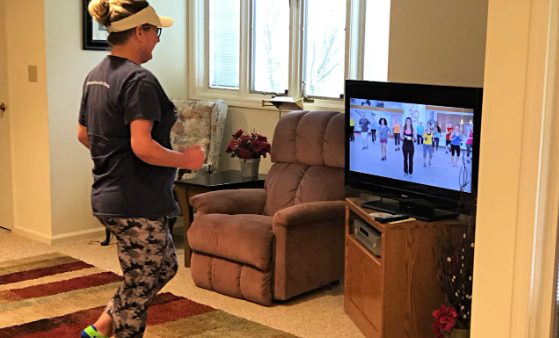
Your body is experiencing changes, but one thing that hasn’t changed is your need for exercise. Over time, regular exercise can have enormous health benefits in addition to helping you manage your scleroderma. Keeping yourself healthy provides a stronger foundation for managing scleroderma.
In addition to “standard” exercises, it is vital to add stretching exercises. Daily range-of-motion/stretching exercises for fingers and other joints must be started early in the course of the disease before motion becomes limited.

Rest and Relax More
Adequate rest is essential for managing common scleroderma symptoms, including pain, fatigue, sleep issues, and stress. Rest allows the body to repair, regenerate, and conserve energy.
Consistent and quality rest is linked to improved mental health. It provides a crucial foundation for coping with the emotional toll that often accompanies chronic illnesses.
Recognizing the importance of rest is crucial in managing one’s overall health, having a better quality of life, and being more resilient.

Keep Open Communication with Family, Friends and Others
One of the most common concerns of people with scleroderma is that people close to them without scleroderma do not understand what they are going through. This can be terribly frustrating and a source of misunderstanding or conflict.
Remember, a person without scleroderma may never fully understand what it is like to live with scleroderma. This perspective reflects the reality that scleroderma is a complex disease that is difficult to understand. It also reminds the person living with scleroderma that they cannot assume their family or friends will know how they feel.

Modify Your Activities
Most people in our society would say they are too busy and tired, but you are different. Your disease symptoms really affect your day-to-day energy. Simplifying your life becomes even more critical when you have scleroderma because you tire more quickly and need to manage your energy. It is harder to “push through” the fatigue to get things done than it was before your diagnosis.
To make the most of your available energy, reviewing all your activities and removing any unnecessary tasks is beneficial. By pruning these activities, you can focus on the most important tasks and do things you need to and enjoy doing.

Talk to Your Doctor
Talking with your healthcare provider can help you take an active role in managing your health. Effective communication with your healthcare team is essential for making informed decisions.
It is critical to be honest and upfront about your symptoms, even if you feel embarrassed or shy. Speak openly with your doctor or healthcare provider and ask questions to fully understand your diagnosis, treatment, and management plan.
Click the link below to learn about general strategies for talking to your doctor about your health and well-being and any health concerns you may have.
The Scleroderma Toolkit was put together by a team at the University of Michigan’s Telehealth and Rehabilitation Advancing Chronic Condition Research (TRACC-R) Center. The Foundation is grateful to the University of Michigan for sharing this material with the scleroderma community. The Scleroderma Toolkit with funding from the Rheumatology Research Foundation (Lawren H. Daltroy Preceptorship in Health Communication).
Disclaimer: The National Scleroderma Foundation in no way endorses any drugs, treatments, clinical trials or studies referenced in this toolkit. Information is provided to keep the community informed. Because the manifestations and severity of scleroderma vary among individuals, personalized medical management is essential. Therefore, it is strongly recommended that all drugs and treatments be discussed with your healthcare provider team for proper evaluation and treatment.
The Scleroderma Toolkit
Discover helpful tools that can help you navigate the scleroderma journey with confidence.