
Healthcare Providers You May See on Your Journey
Your team of doctors will help you manage your scleroderma and find the best treatment options for your individual journey. Learn valuable tips on nutrition and exercise to improve your health and well-being.
Use the button below to visit the Foundation’s list of scleroderma specialty treatment centers.
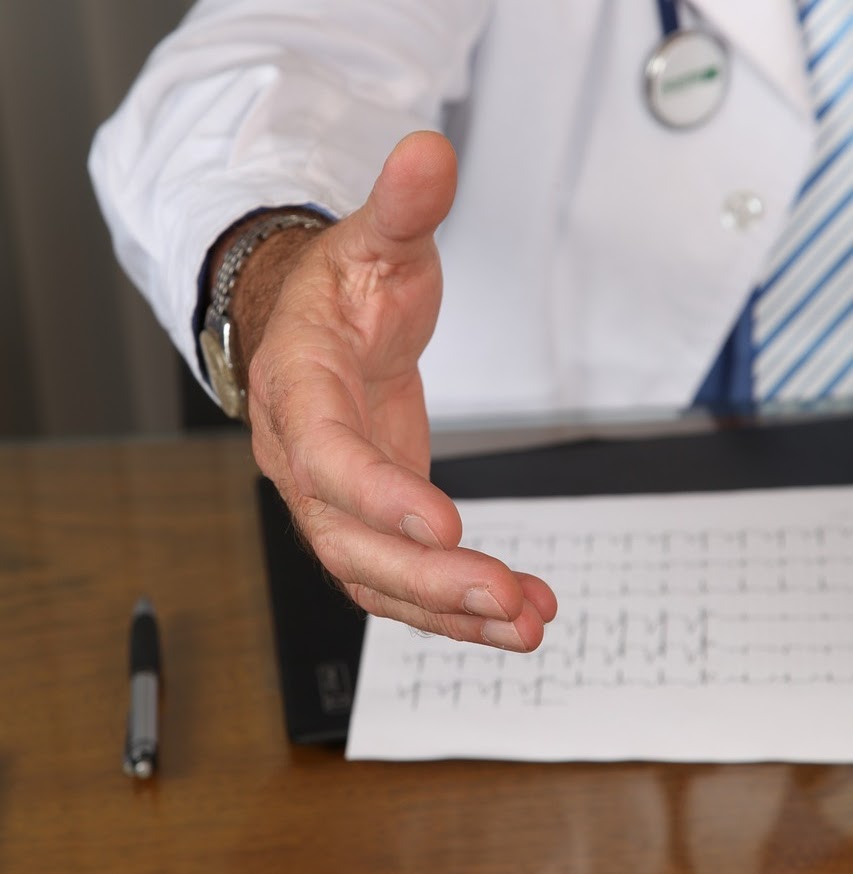
Rheumatologists
A rheumatologist is an internist or pediatrician who received further training in the diagnosis (detection) and treatment of musculoskeletal disease and systemic autoimmune conditions commonly referred to as rheumatic diseases. These diseases can affect the joints, muscles, and bones, causing pain, swelling, stiffness, and potentially cause joint deformities.
Cardiologists
A cardiologist is a specialist who deals with the structure, function, prevention, and treatment of disorders of the heart and vascular system. The field includes the diagnosis and treatment of congenital heart defects, coronary artery disease, vascular disease and heart rhythm abnormalities, and heart failure.
Gastroenterologists
A gastroenterologist is a specialist in the normal function and diseases of the esophagus, stomach, small intestine, colon and rectum, pancreas, gallbladder, bile ducts, and liver.
Pulmonologists
A pulmonologist is a physician who specializes in the respiratory system. From the windpipe to the lungs, if your complaint involves the lungs or any part of the respiratory system, a pulmonologist is the doctor you want to solve the problem. Oxygen may be prescribed in the future by a pulmonologist.
Nephrologists
A nephrologist is a type of doctor who focuses on the diagnosis and treatment of kidney conditions. Nephrologists also receive training to help manage the impact of kidney dysfunction on the rest of the body.
Dentists
A dentist helps you to maintain optimal oral care, a critical component for maintaining your health. Ask local dentists if they have experience working with individuals with scleroderma, especially because of the skin tightening you may experience around your mouth.
Dermatologists
A dermatologist is a specialist who deals with the structure, function, prevention, and treatment of disorders of the skin, including scleroderma. They can help you learn how to best manage digital ulcers and other issues you may be experiencing with your skin. You may see a dermatologist to help with your scleroderma, though they may defer the management of your symptoms to a rheumatologist specializing in scleroderma.
-
Unusual shortness of breath, persistent cough, fainting, or discomfort on exertion.
-
Persistent heartburn.
-
Food blockage when you swallow.
-
Unexplained weight loss.
-
A wound or ulceration of the fingertips and knuckles.
-
Pain or permanent redness of a finger, inflammation, or severe pain regarding finger calcification.
-
Worsening skin sclerosis.
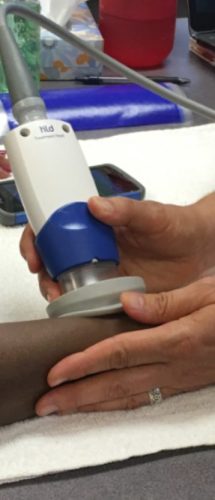
It is important to find a therapist who has experience in treating scleroderma. Make sure to ask your doctor for a referral to see either an Occupational or Physical therapist.
The therapist should be someone with whom you can collaborate and who can help you establish clear goals for your treatment. Remember to consider the importance of finding the right therapist – it could make all the difference in your journey toward healing.
What’s the difference between occupational and physical therapy?
Physical therapy and occupational therapy are both therapies that help people perform the activities they do every day. However, the approaches physical therapists take differ from those of occupational therapists.
The most notable difference between physical therapists (PTs) and occupational therapists (OTs) is their focus:
-
PTs focus on healing and strengthening their clients’ bodies and returning them back to normal after an injury. They often focus on walking and mobility.
-
OTs teach their clients to adapt to their challenges so they can more easily and efficiently perform everyday activities, such as feeding and dressing themselves, caring for kids or pets, and working.
-
Some OTs are certified hand therapists. These providers specialize in treating issues related to skin, joints, muscles, and tendons in the hands and arms.
Benefits of Occupational & Physical Therapy





Nutrition & Exercise Recommendations

- Focus on small meals frequently throughout the day.
- Add antioxidant-rich, anti-inflammatory herbs and spices to foods.
- Focus on whole foods, limiting processed food with artificial ingredients.
- Gastroparesis (slow food movement through the intestines) requires a different approach to managing nutrition.

Add strength training, stretching, and cardio to your exercise plan. For more information on scleroderma exercises, please visit the Self-Manage Scleroderma website. Sign up for free to access all the modules, including the comprehensive exercise module.

-
Seated arm exercises
-
Seated marching
-
Marching in place while standing
-
Standing up every hour
-
Toe taps
-
Seated leg lifts – straighten one leg in front of you while you are seated and hold for a few seconds
-
Desk stretches that focus on your neck, shoulders, back, and hips
-
Do some chores! Not only do you get to cross things off your to-do list, but you get the health benefits, too.
The Scleroderma Toolkit was put together by a team at the University of Michigan’s Telehealth and Rehabilitation Advancing Chronic Condition Research (TRACC-R) Center. The Foundation is grateful to the University of Michigan for sharing this material with the scleroderma community. The Scleroderma Toolkit with funding from the Rheumatology Research Foundation (Lawren H. Daltroy Preceptorship in Health Communication).
Disclaimer: The National Scleroderma Foundation in no way endorses any drugs, treatments, clinical trials or studies referenced in this toolkit. Information is provided to keep the community informed. Because the manifestations and severity of scleroderma vary among individuals, personalized medical management is essential. Therefore, it is strongly recommended that all drugs and treatments be discussed with your healthcare provider team for proper evaluation and treatment.
The Scleroderma Toolkit
Discover helpful tools that can help you navigate the scleroderma journey with confidence.